
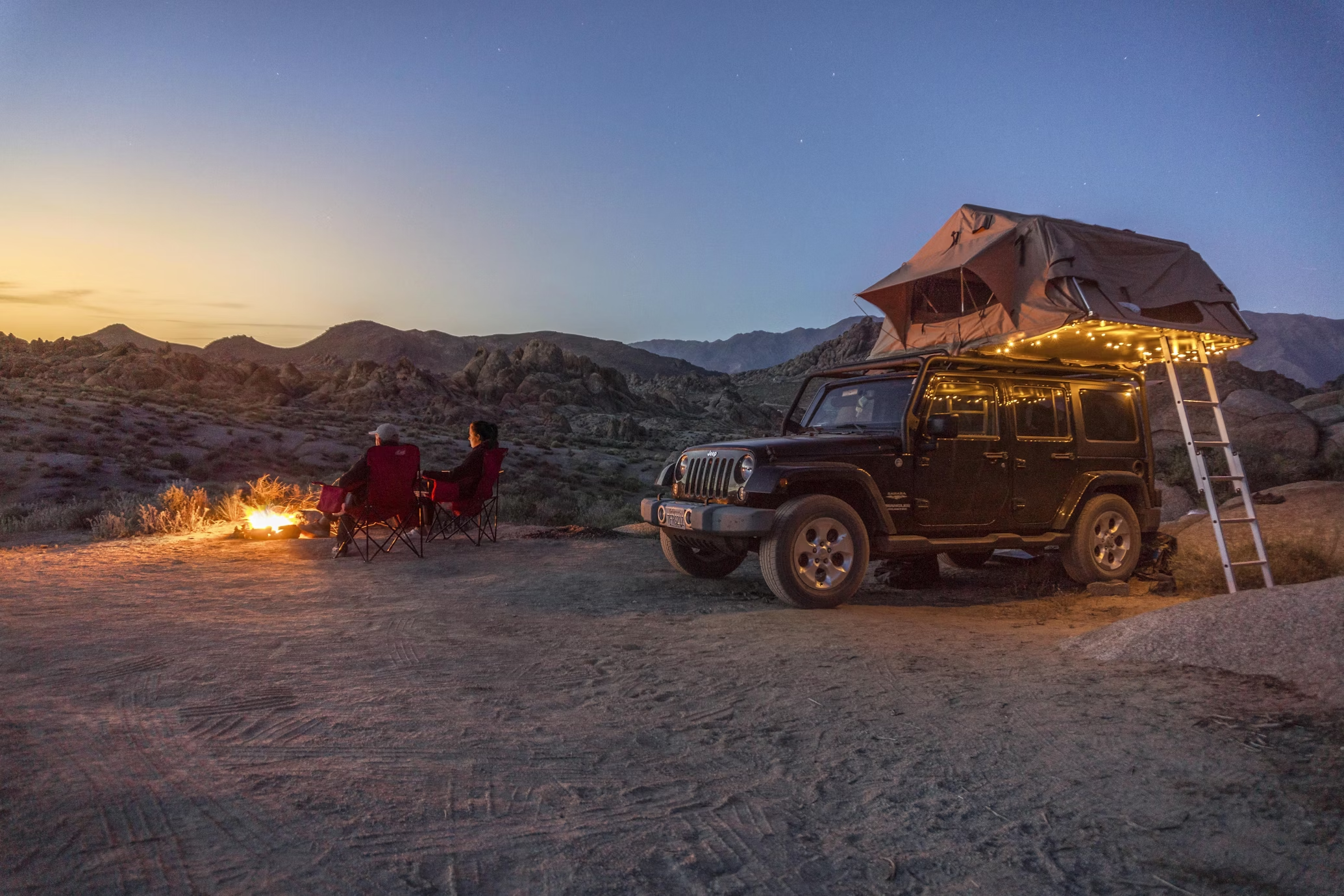
After years of wrestling with ground Tents, I made a change. Air mattresses always went flat. Unwelcome visitors were common. I finally jumped to a rooftop tent. Best decision for my back, truly. I’ve spent countless nights up high. My trusty Prado was my base. This gives me plenty of experience for an Australian rooftop tent review.
Our picks
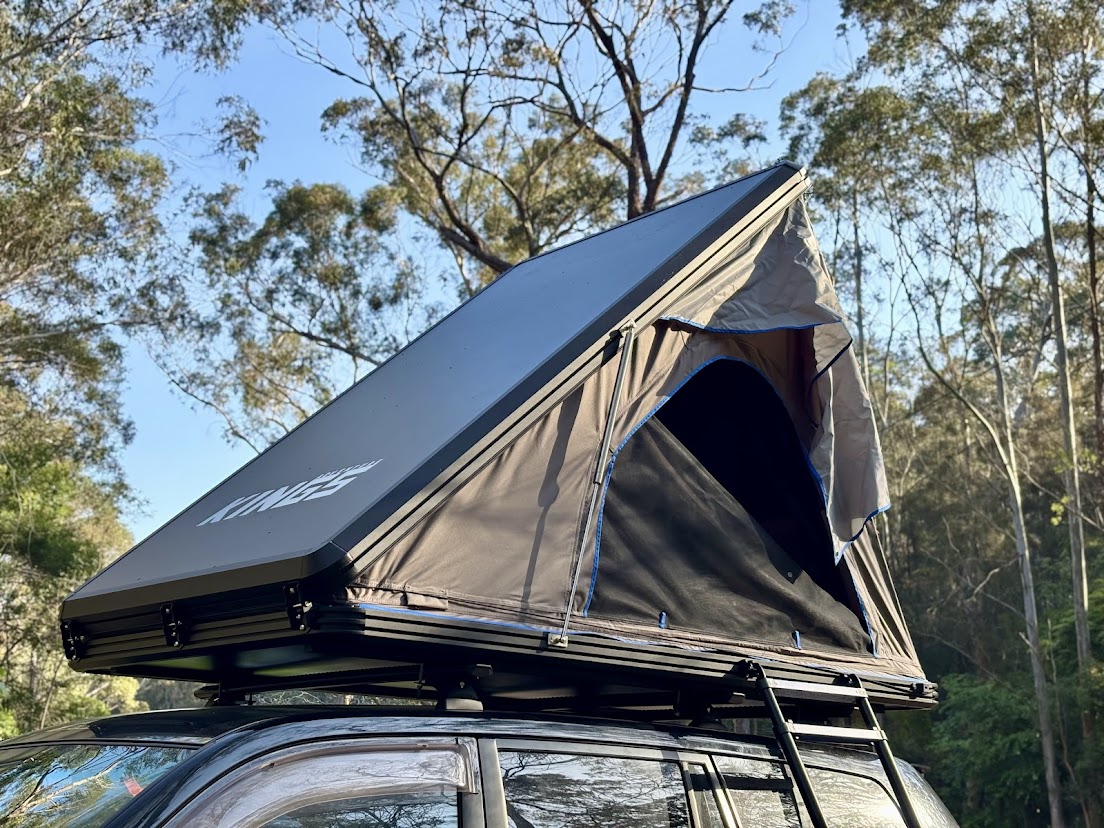
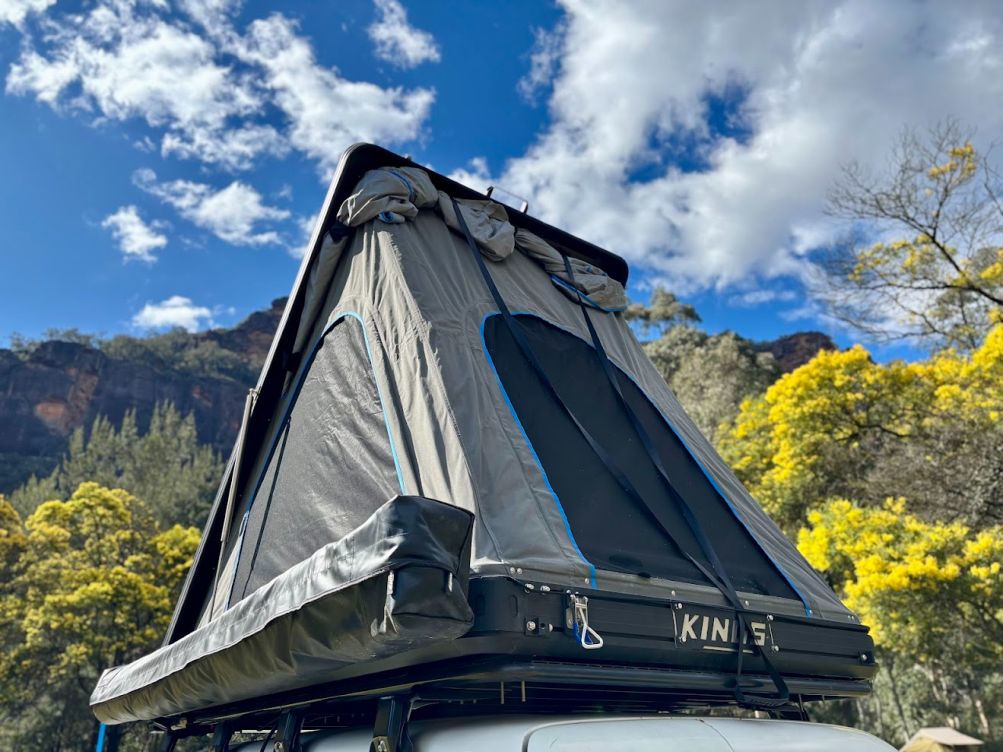
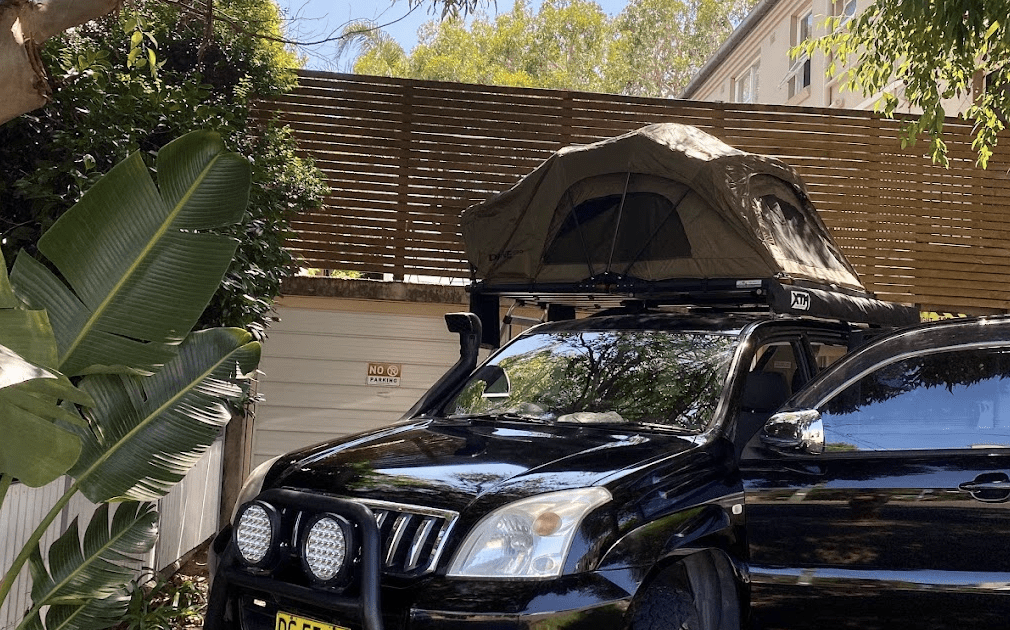

I’ve camped from Sydney’s coast to the Blue Mountains. I’ve tried different setups along the way. This gives me plenty for an Australian rooftop tent review. Let’s discuss what I’ve learned. What works and what doesn’t? Why do some cost so much?
How to choose the best rooftop tents australia
A rooftop tent can completely transform your Australian touring experience, offering speed, comfort, and an elevated view away from the ground and its critters. However, with the market full of different hard shell, soft shell, and hybrid options—each claiming to be the toughest—choosing the right one for your vehicle and unique camping style is a critical first step. This guide breaks down the essential factors you must consider, from your vehicle’s weight capacity to the weather protection needed for Australia’s unforgiving conditions.
- Vehicle's Roof Load Capacity: This is non-negotiable. Your 4WD has a static (parked) and dynamic (moving) roof load limit. The tent's weight, plus your roof rack, plus anything you store inside the tent (bedding, pillows), plus you and your partner sleeping in it, all count towards that static limit. Dynamic is for when you're driving. Don't overload your roof; it affects handling, braking, and safety. A typical hard shell is 60-90kg, soft shells can be lighter but also bulkier.
- Ease of Setup and Pack Down: Be brutally honest with yourself. If you're doing quick overnight stops, a 10-minute setup will feel like an hour after a long day of driving. If you're base camping for a week, it's less critical.
- Durability and Weather Resistance: Australian conditions can be brutal – searing heat, torrential rain, gale-force winds, and fine dust. Look for quality canvas (poly-cotton ripstop is good), robust zips (YKK are excellent), and sturdy frames. Check seam sealing.
- Comfort: The mattress is crucial. Unless you're a teenager, a thin foam pad won't cut it for multiple nights. Factor in the cost of a good self-inflating mattress or topper if the standard one is lacking. Also consider insulation for cold nights and ventilation for hot ones.
- Aerodynamics and Fuel Economy: A big, boxy tent on your roof will increase drag and use more fuel. Hard shells are generally better here. On a long trip, those extra litres add up.
- Storage: Where will you keep your bedding when the tent is packed down? Some tents allow you to leave a thin sleeping bag or quilt inside; thicker doonas usually need to be removed.
- Price vs. Value: You generally get what you pay for. A cheaper tent might save you money upfront, but if it's uncomfortable or falls apart after a few trips, it's a false economy. Balance your budget with your expected usage and desired quality.
Quick Picks & Comparing the best rooftop tents
Check out this quick list of the best rooftop tents or continue scrolling to see our full list of favorites with in-depth reviews.
- Best Performing RTT: Kings Grand Tourer Lite Rooftop Tent ($1,450)
- Jump to Review
- Most Comfortable RTT: Kings Grand Tourer MK3 Rooftop Tent ($2,195)
- Jump to Review
- Best Lightweight RTT: Dune Nomad Lite 130cm Rooftop Tent ($1,250)
- Jump to Review
- Best Budget RTT: Kings Tourer Rooftop Tent($750)
- Jump to Review
The Great Divide: Hard Shell vs. Soft Shell - An Australian Rooftop Tent Review
Before we dive into specific models, you must choose a fundamental type. It’s hard shell or soft shell. Think of it like this: a solid brick house versus a sturdy canvas cabin on wheels. Each offers distinct advantages for Australian conditions. Both have their merits and moments of frustration.
For me, after starting with a soft shell, I’ve gradually shifted towards hard shells. The speed and convenience, especially when moving campsites frequently or facing unexpected downpours (which, let’s be honest, is a common occurrence in our lovely Australian weather), just wins out.
Soft Shell Rooftop Tents
Soft shell rooftop tents are the traditional choice. They resemble a standard ground tent, but fold onto your roof rack. These are often more affordable upfront. Generally, soft shells are lighter. They also offer more living space when fully deployed. Some even incorporate an annex for extra room. Many have more windows, ensuring better airflow on muggy Australian coastal nights.
However, packing up in the rain means the canvas gets wet. They are also less aerodynamic. This can impact fuel economy. Expect some wind noise on the highway too. Setup is more involved. You must unzip a PVC cover, then unfold the tent. Inserting poles and wrestling with canvas is usually required.
- More affordable upfront
- Generally lighter and offer more living space when fully deployed. Some incorporate an annex for extra room
- Typically more windows, meaning better airflow on those muggy coastal nights
Hard Shell Rooftop Tents
Hard shell rooftop tents are the sleek, modern choice. They have a solid top. This can be fiberglass, aluminium, or ABS plastic. Most set up in under a minute. You unlatch them, push up, and gas struts assist. They are more aerodynamic. This means less drag and better fuel efficiency on long drives across Australia. They handle bad weather exceptionally well. The solid shell offers excellent protection. They are also less prone to leaks.
However, hard shells are generally heavier. They are also more expensive upfront. Internal space is usually limited to the sleeping area. Mattress thickness can sometimes be a bit lacking. They offer less airflow. While better insulated, they can feel stuffy on hot Australian nights. This is often noted in an Australian rooftop tent review.
- Most are set up in under a minute – unlatch, push up, and the gas struts do the rest
- More aerodynamic, meaning less drag and better fuel efficiency on long drives
- Handle bad weather exceptionally well; the solid shell is excellent protection, and they're less prone to leaks
Personal Tips for Aspiring Rooftop Campers
- Practice at Home: Seriously, set it up and pack it down a few times in your driveway before your first trip. You'll work out the kinks and save yourself a lot of frustration when you're out in the wild.
- Anti-Condensation Mat: If your tent doesn't come with one, buy one! It goes under your mattress and prevents moisture buildup from your breath, which can lead to mould and a damp sleeping bag. Essential in any climate, especially our humid coastal areas.
- Ladder Etiquette: Always keep the ladder clean, especially the feet. Gritty sand or mud will scratch your vehicle. And always ensure it's firmly planted before you climb up.
- Ventilation is Key: Even in cold weather, leave a small crack open in a window or vent to prevent condensation. In hot weather, open up everything!
- Invest in a Good Pillow: Don't skimp on this. A good night's sleep starts with your head.
- Levelling: Try to park on as level ground as possible. Even a slight incline can make sleeping uncomfortable. Those levelling ramps for caravans can be handy.
How we test
Our philosophy is simple: we beat it up so you don’t have to. We start with a deep dive into build quality and materials. Does it feel solid? We then test its main job, whether it’s keeping water out or delivering maximum performance, pushing it past its limit to make sure it’s reliable.
Next, we look at durability. We simulate years of wear and tear, dragging, vibrating, and exposing it to all the muck, grit, and elements your adventures throw at it. We also check ease of use: Can you actually use this thing quickly and intuitively, even with cold hands or in a rush?
Finally, we check how practical it is. We measure the weight and packed size. If it’s heavy or bulky, it better be absolutely bombproof. Only the gear that handles this abuse and proves its worth makes the cut for your AdventureKit.
Frequently asked questions
What is the difference between a Hard Shell and Soft Shell rooftop tent, and which is best for Australian conditions?
Soft Shell Tents (Fold-Out): Use a heavy-duty fabric cover and fold out to the side. They are best for budget, offering a much larger internal living space (often with an annex option), and are generally lighter. They take more time to set up and pack away but can be a great option for longer stays.
How do I calculate my vehicle's roof load capacity for a rooftop tent?
Dynamic Load Rating (Driving): This is the maximum weight the roof can safely support while the vehicle is moving. Your tent's weight + your roof rack's weight must be less than this number.
Static Load Rating (Parked): This is the maximum weight the roof can safely support when the vehicle is stationary. This rating must be greater than the combined weight of the tent + the roof racks + all occupants (people and gear).
Crucial Tip: The Dynamic Load (often 75-100kg for 4WDs) is your limiting factor for the tent itself. Always use the lowest rating of your vehicle, roof racks, or tent.
What key features should I look for in a rooftop tent for Australian weather?
Fabric/Material: Look for a high-quality Poly-Cotton Ripstop canvas (usually 280gsm or higher) with a high waterproof rating (2000mm+ is recommended).
Ventilation: Seek multiple zippered mesh windows and vents, often with a large rain fly, to manage airflow and prevent condensation on hot, humid nights.
Mattress Quality: Don't overlook the built-in mattress. A high-density foam mattress (50mm+) will drastically improve comfort, especially for multi-day trips.