I’ve been there before: standing over a camp stove, waiting what feels like an eternity for the water to boil for my morning coffee. It’s a frustrating experience that can put a damper on the start of any day in the outdoors. When you’re shopping for a new camp stove, you’ll see a number listed as ‘BTU output’. But what does that actually mean for your cooking? Learning to read this number is a game-changer, helping you choose a stove that’s not only a good fit for your adventures but also has the power to get the job done quickly and efficiently.
The good
- Do check the BTU rating
- Do match BTU to your group size
- Do consider the type of cooking
- Do look for wind protection
- Do remember fuel efficiency
The not-so-good
- Don't assume higher is always better
- Don't forget about flame control
- Don't ignore the importance of design
What is it?
So, what exactly is a BTU? The acronym stands for British Thermal Unit, and it’s a measure of thermal energy. In simple terms, one BTU is the amount of energy required to heat a small amount of water by a single degree. For a camping stove, the BTU output tells you how much heat a burner can generate in an hour. This means that a stove with a higher BTU rating will be able to heat up your pots and pans faster than one with a lower BTU rating, assuming all other factors are equal.
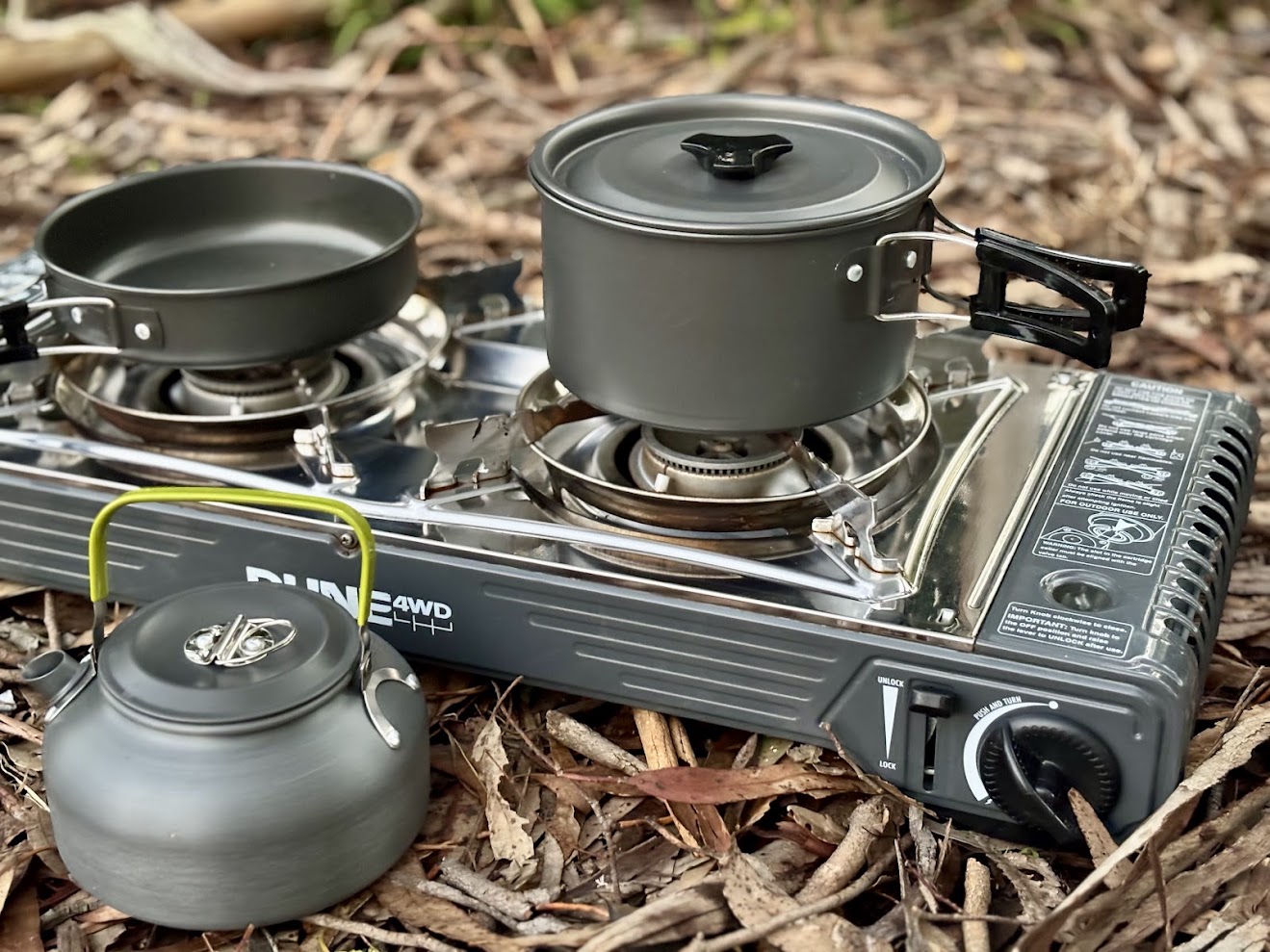
For example, a small backpacking stove might have an output of 8,000 BTU, while a large, multi-burner car camping stove could have a total output of 28,000 BTU or more. This raw power translates directly to cooking speed. Whether you’re trying to boil water in a rush or want to get a good sear on a steak, a higher BTU is what gives you that punch of heat.
BTU Output Guide
| BTU Output | Typical Use | Example Applications |
|---|---|---|
| < 8,000 | Lightweight / Solo | Boiling water, simmering meals for one |
| 8,000 – 15,000 | General Purpose | Cooking for small groups, versatile meals |
| 15,000 + | High-Output / Groups | Cooking for a family, frying, quick boiling |
How to use it
Choosing a stove based on its BTU output starts with thinking about your typical trip. For a solo hiker who just needs to boil a small pot of water for a dehydrated meal, a stove with a lower BTU output is more than enough and often comes with the benefit of a smaller, lighter package. On the other hand, if you’re cooking for a family of four or more, you’ll want to look at stoves with a higher BTU output to ensure you can cook multiple items at once without one burner slowing down the others.
The type of cooking you plan to do also plays a huge role. If you want to sear a steak, stir-fry a dish, or get a big pot of water to a rolling boil in a hurry, you will want a higher BTU. For more delicate cooking, like simmering a sauce or slowly heating up soup, you’ll also want to make sure the stove has good flame control. A high BTU stove with poor control can easily burn your food before you know it.
What to keep in mind
While BTU output is a great guide, it’s not the only thing that affects a stove’s performance. The conditions you’re cooking in make a huge difference. Strong winds can steal a lot of the heat away from your pot, which is why features like built-in windscreens are so important. At high altitudes, the lower air pressure can also reduce a stove’s efficiency. Even in these conditions, a well-designed stove with good pressure control can perform better than a basic model with a higher BTU rating.
You also need to consider fuel consumption. A powerful stove with a high BTU output will, of course, burn through fuel faster than a lower-BTU model. This is something to keep in mind, especially on longer trips where carrying extra fuel can be a concern. So, while it’s tempting to think “the higher the number, the better,” the best stove is actually the one that strikes the perfect balance between power, portability, and your specific needs.
Summary
To sum it all up, understanding BTU output is crucial for choosing the right camping stove for your adventures. It’s a measure of the stove’s heating power, and a higher number generally means faster cooking and boiling times. For solo trips or simple meals, a lower BTU is often fine and saves on weight. For family camping or more involved cooking, a high BTU stove can make your life much easier. However, BTU isn’t the whole story. Factors like wind, flame control, and the stove’s overall design also play a huge role in its real-world performance. By taking all of these things into account, you can confidently choose a stove that’s perfectly suited for your camping style.
Related Gear
Choosing the right stove is only one part of creating an excellent camp kitchen. Once you have your stove sorted, take a look at our reviews on durable titanium camp cookware and compact camp tables to complete your setup. The right gear can make all the difference, turning a chore into an enjoyable part of your outdoor experience.