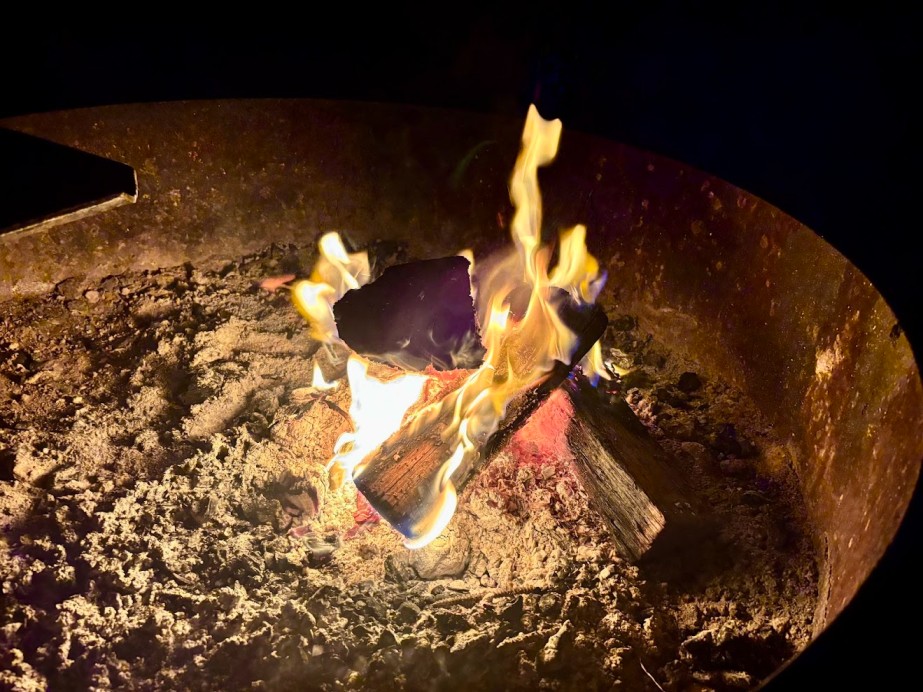
There’s nothing quite like the smell of woodsmoke and the crackle of a campfire at the end of a long day of touring. It is the heart of any campsite, providing heat, light, and the perfect spot for cooking up a hearty meal. Despite this, I often see people struggling for ages just to get a decent flame going. They usually try to skip the crucial preparation steps.
The good
- Do clear a 3 meter safe area
- Do use dry standing dead wood
- Do have water ready to extinguish
- Do build your fire in layers
- Do fully extinguish with water
The not-so-good
- Don't leave a fire unattended
- Don't stack fuel wood too tightly
- Don't use flammable liquids
Our picks


Learning how to start a camping fire is a foundational skill for anyone venturing into the outdoors. It relies on mastering three basic ingredients: oxygen, heat, and fuel. Understanding the relationship between these three is the secret to success. This guide walks you through the simple structure and technique I use, ensuring you can go from striking a match to sitting next to a roaring, safe fire in no time at all.
How does fire work?
To understand how to start a camping fire, you must first understand the “Fire Triangle”. Fire is not just fuel burning; it is a chemical reaction that requires a continuous supply of three things: Heat, Fuel, and Oxygen. Remove any one of these elements, and the fire will stop instantly.
The Fuel is the wood you use, categorized by size: tinder, kindling, and fuel wood. Heat is what ignites the tinder. It comes from a match, a lighter, or a ferro rod. Oxygen is the air circulating around the wood. This is often the most misunderstood part. If you stack your wood too tightly, you starve the fire of oxygen, and it just smokes. If you stack it too loosely, the heat escapes, and the fire never gets big enough. Therefore, the key to a good campfire is controlling the way you introduce these three elements. Proper stacking keeps the heat concentrated while still allowing enough oxygen to feed the flame.
different components to make a great camp fire
| Component | Size | Function |
|---|---|---|
| Tinder | Fine, cotton-ball size (less than 1 mm thick) | Catches the spark/flame and holds initial heat. |
| Kindling | Pencil to thumb thickness (3 mm to 15 mm) | Catches fire from tinder and builds a steady base of heat. |
| Fuel Wood | Wrist to forearm thickness (over 25 mm) | Provides long-lasting heat and coal base for cooking. |
How to get the fire going
Starting a fire is all about stacking your fuel correctly. First, clear a safe area of at least 3 meters around your fire pit or ring. Next, gather plenty of tinder, kindling, and fuel wood before striking anything. You always need more kindling than you think.
I prefer the “Teepee” structure for starting. Begin by placing a small, compressed ball of tinder right in the centre of your fire pit. Lean your smallest kindling sticks around the tinder like a small cone or teepee. Make sure you leave small gaps at the bottom. This is where the crucial oxygen enters. Once the teepee is built, light the tinder at the base. As the tinder burns, the kindling starts to catch, and the heat naturally rises up the cone. Gradually, and gently, introduce slightly thicker kindling to the outside of the teepee. Once the kindling is burning strongly, start placing your larger fuel wood around the burning cone. This provides the long term heat and eventually becomes a stable cooking fire.
What to keep in mind
The technique for how to start a camping fire changes dramatically depending on the terrain and weather. Wet or Damp Conditions are a massive challenge. You must gather only wood that is completely dry. Look for dead branches still standing up rather than logs lying on the wet ground. Peel back the wet bark to find the drier inner wood. I often scrape down a piece of kindling to create fine, dry shavings for tinder. Additionally, use a fire-starting aid like waterproof matches or a block of firelighter fuel.
Sandy or Exposed Areas require wind protection. The wind will steal your heat and blow sparks away. Use rocks or a temporary windbreak made from logs on the upwind side of your fire. Always dig a shallow pit in the sand. This helps contain the embers. In Snow, you must build your fire on an elevated platform. The fire’s heat will melt the snow underneath, instantly extinguishing your flame. Lay down a base of thick, green logs or flat rocks before building your teepee structure. Remember, safety is paramount. Always check current fire bans and restrictions before gathering any materials or lighting a fire.
Summary
Mastering how to start a camping fire is a rewarding skill. It is based on respecting the three sides of the fire triangle: Heat, Fuel, and Oxygen. Your success hinges entirely on thorough preparation and proper structure. Remember to gather plenty of tinder (the tiny starter), kindling (the pencil-sized wood), and fuel wood (the long-lasting logs) before you strike a light. Use the Teepee structure to concentrate your heat, while still allowing air to circulate from the bottom. This methodical approach ensures your flame progresses reliably from tinder to fuel wood.
Always prioritize safety by checking local fire restrictions. Make sure you have water or sand ready to fully extinguish the fire until the coals are cold to the touch. With these simple steps, you will enjoy a consistent, reliable fire for cooking and comfort on every adventure.