When you are packing for a camping trip, a good light source is one of the most important things to remember. But if you have ever shopped for a light, you might have seen a lot of numbers and technical terms that can be confusing. The most important of these is ‘lumens’. Knowing what a lumen is and how many you need can make the difference between a frustrating trip and a comfortable, well-lit experience. This guide helps you understand exactly what you need for every situation.
The good
- Bring multiple light sources
- Always check battery life
- Use red light for night vision
- Charge lights before a trip
- Choose lights with multiple settings
The not-so-good
- Only rely on one light
- Use max brightness for small tasks
- Forget a portable power bank
Our picks
What is a Lumen?
A lumen is a standard unit of measurement for the total amount of visible light emitted from a source. In simple terms, it tells you how bright a light is. The higher the number, the brighter the light. While we are used to thinking about light bulbs in terms of wattage, lumens are a more accurate way to measure the brightness of LEDs, headlamps, and flashlights.
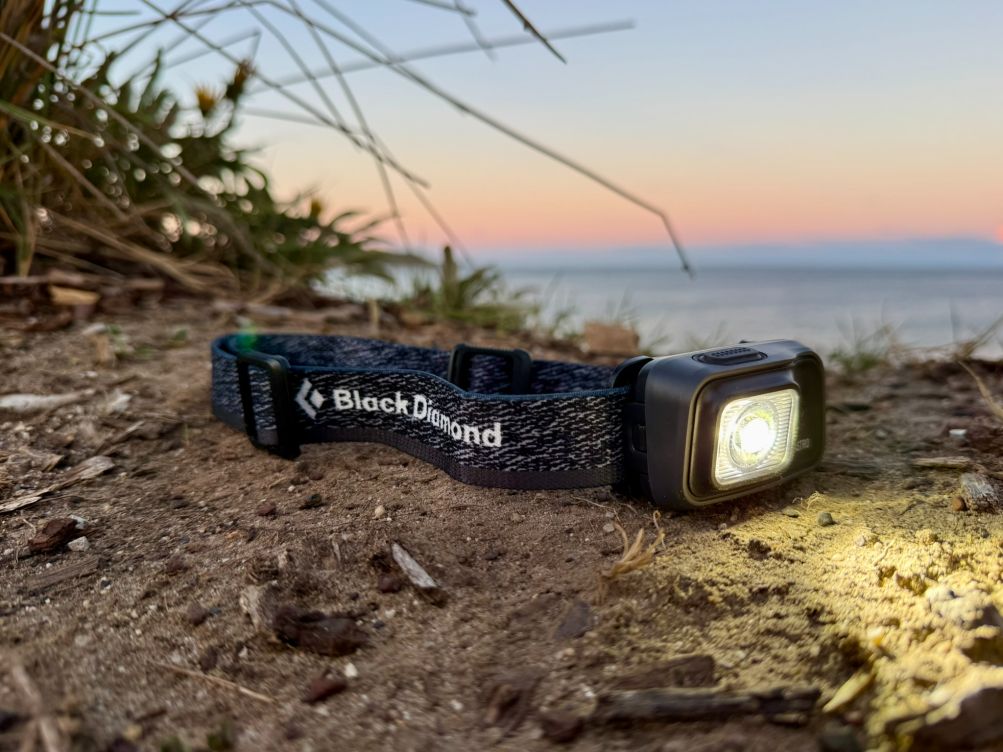
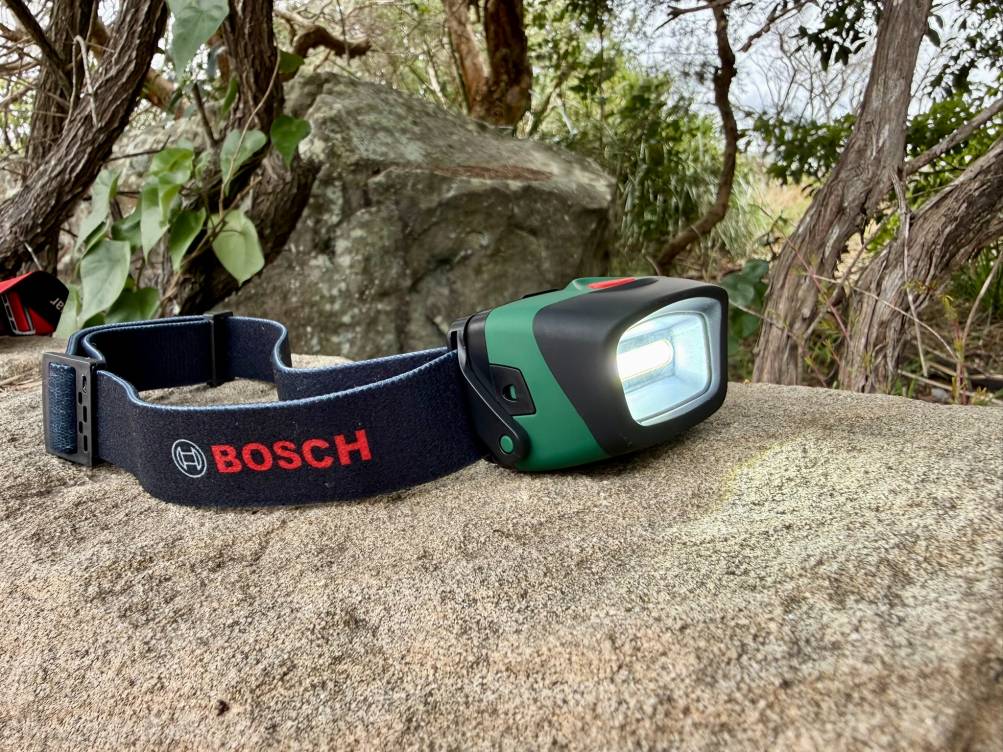
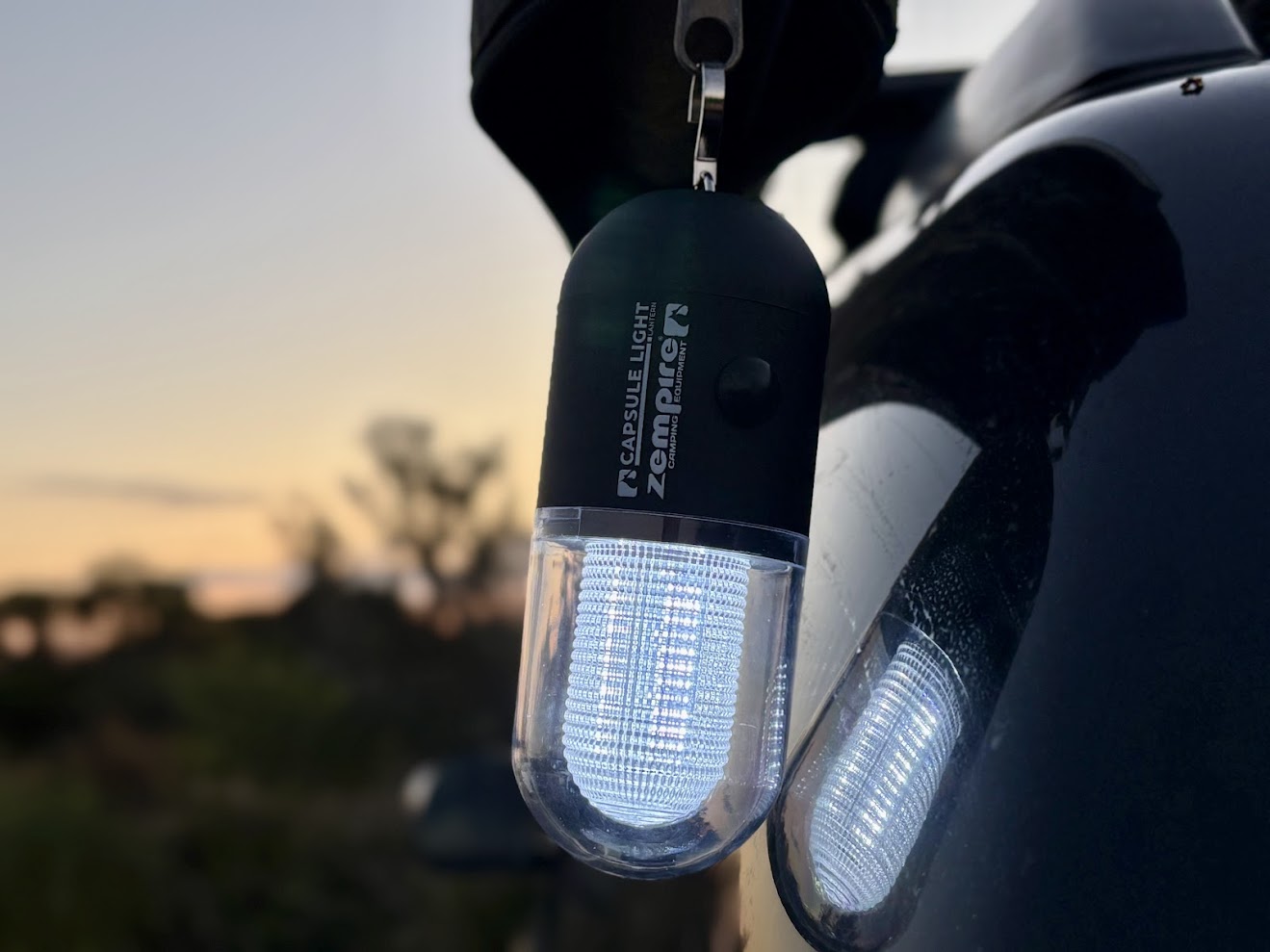
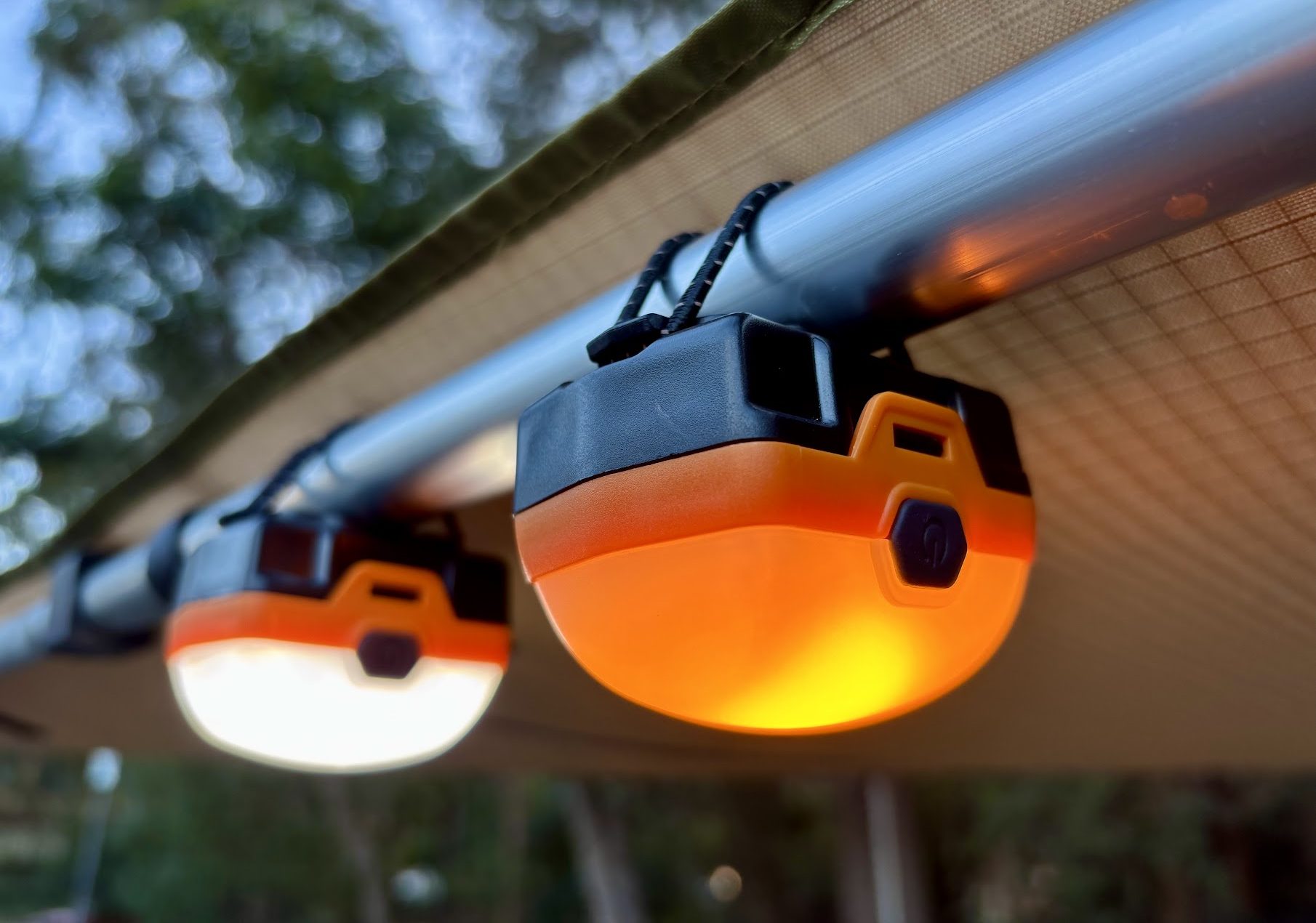
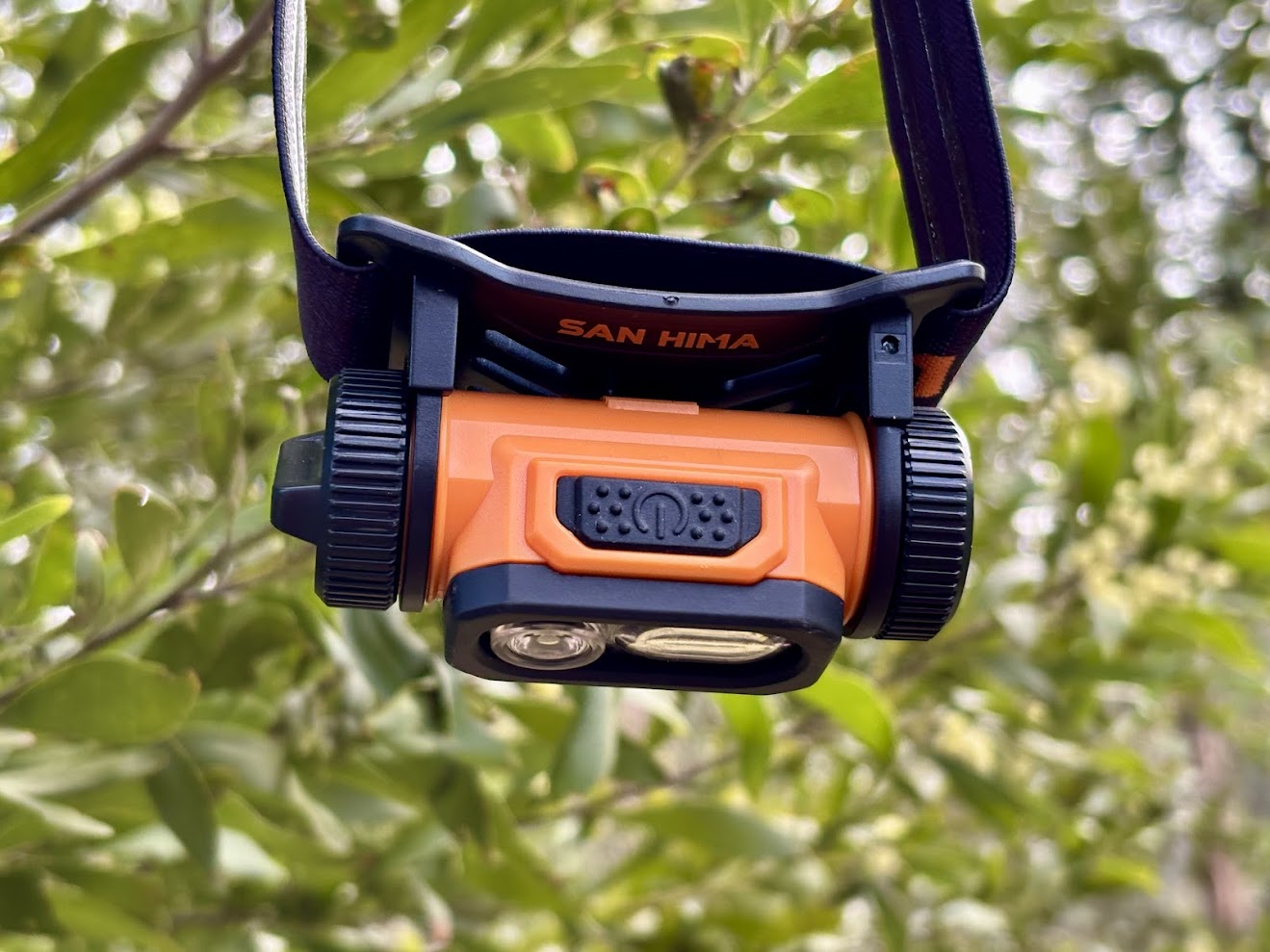
A small headlamp might offer a low lumen count for reading, while a powerful lantern can put out a high number of lumens to illuminate an entire campsite. Understanding lumens is the first step to choosing the right tool for the job.
Lumen Guide for camping
| Situation | Recommended Lumens |
|---|---|
| Reading in a tent | 10 to 50 lumens |
| Inside a small tent | 50 to 100 lumens |
| Cooking or eating at a table | 100 to 200 lumens |
| Lighting a large campsite | 200 to 500 lumens |
| Hiking on a trail | 150 to 300 lumens (with focus) |
| Emergency signalling | 500+ lumens (high visibility) |
How to use it
To get the most out of your camp lighting, you need to match your lumen output to the specific situation. For example, if you are just reading in your tent before bed, a low setting of around 20 lumens is all you need. Using a high setting not only blinds you but also drains your battery life quickly.
When you are cooking dinner at your campsite, you need a brighter, more widespread light. A setting between 150 to 200 lumens is often ideal for this. Many modern headlamps and lanterns have multiple settings that allow you to easily adjust the brightness. Always check your light’s specifications and play with the settings at home to get a feel for how they work.
What to keep in mind
Beyond the number of lumens, several other factors contribute to a great lighting setup. One important thing is the light’s beam. A flashlight typically has a focused beam that throws light a long distance, while a lantern has a diffused beam that spreads light evenly over a wide area. Another key consideration is the light’s colour temperature; some lights offer a warm, yellowish glow while others provide a cool, bluish light.
Many campers prefer a warm light as it is easier on the eyes and provides a more pleasant atmosphere. For preserving your night vision, a red light mode is a must. This allows you to see what you are doing without completely shocking your eyes when you turn off the light.
Summary
Understanding how many lumens for camping you need is not about having the brightest light possible, but about having the right amount of light for each task. A small number of lumens is perfect for intimate tasks like reading or finding something in your bag, while a higher lumen count is essential for safety and illuminating a larger area.
By considering the light’s brightness, beam type, and features like red light mode, you can build a camp lighting system that is both efficient and effective. A well-prepared camper has a headlamp for hiking, a lantern for the campsite, and a small light for the tent. By keeping these tips in mind, you are ready for any adventure.