Looking for the best Sleeping Bag for your next trip? In this review, I compare a range of sleeping bags I’ve tested personally — focusing on warmth, comfort, packability and value for off-grid camping around Australia. If you’re anything like me, a good night’s sleep in the bush is non-negotiable. After years of chasing sunsets along the NSW coast and waking up to dew-soaked mornings deep in the Blue Mountains bushland, I’ve learned that your sleeping bag isn’t just gear; it’s your portable home.
Today, we’re diving deep into the world of sleeping bags for Australian camping, going beyond just one brand to compare some of the most popular options you can find, including Sea to Summit, Kathmandu, Amazon Basics, and Naturehike. You’ve probably seen their stuff online or in stores, and if you’re wondering which one truly stands up to genuine Australian camping trips, you’ve come to the right place.
I’m talking real-world usage here, not just looking at specs sheets. My camping style tends towards the “self-reliant” end of the spectrum – think more remote bush tracks a decent drive from Sydney, fewer established Campgrounds, and definitely no powered sites. This means every gram, every packed inch, and every degree of warmth really counts. I’ve owned, used, and abused a few bags from these brands over the years, and I’ve got some strong opinions to share, along with a few realistic frustrations.
My Testing Ground: Sydney's Varied Backyard
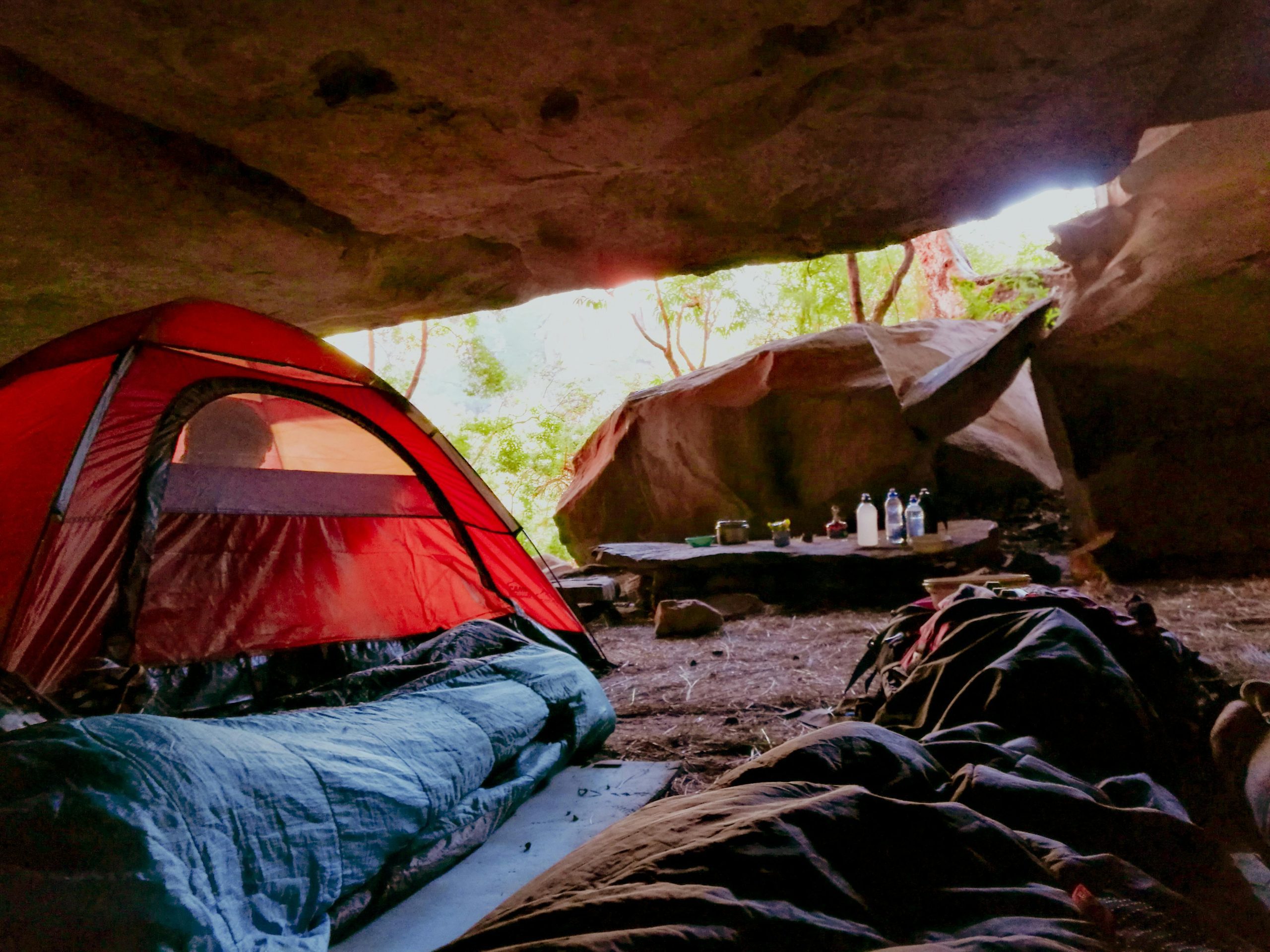
Most of my adventures kick off from Sydney, heading either north towards the Central Coast’s sandy fringes, west into the rugged expanse of the Blue Mountains, or south along the Royal National Park’s stunning coastline. This provides a fantastic testing ground: from humid, dew-laden nights by the sea where condensation is your enemy, to crisp, dry, and surprisingly chilly evenings deep in the eucalypt forests. You need versatility, and you need gear that can handle a bit of everything without packing half your house.
Best Sleeping Bags Australia: Field-Tested Picks
Specifically, I’ve focused on popular models from each brand that cover a good range of camping scenarios and are easily found on Amazon Australia: the Sea to Summit Treeline, Amazon Basics 3-Season, Kathmandu Camper, and the Naturehike lightweight down bag. Each has its place, and in this review finding the best sleeping bags around Australia, understanding their nuances is key to making the right investment for your next outdoor adventure in Australia.
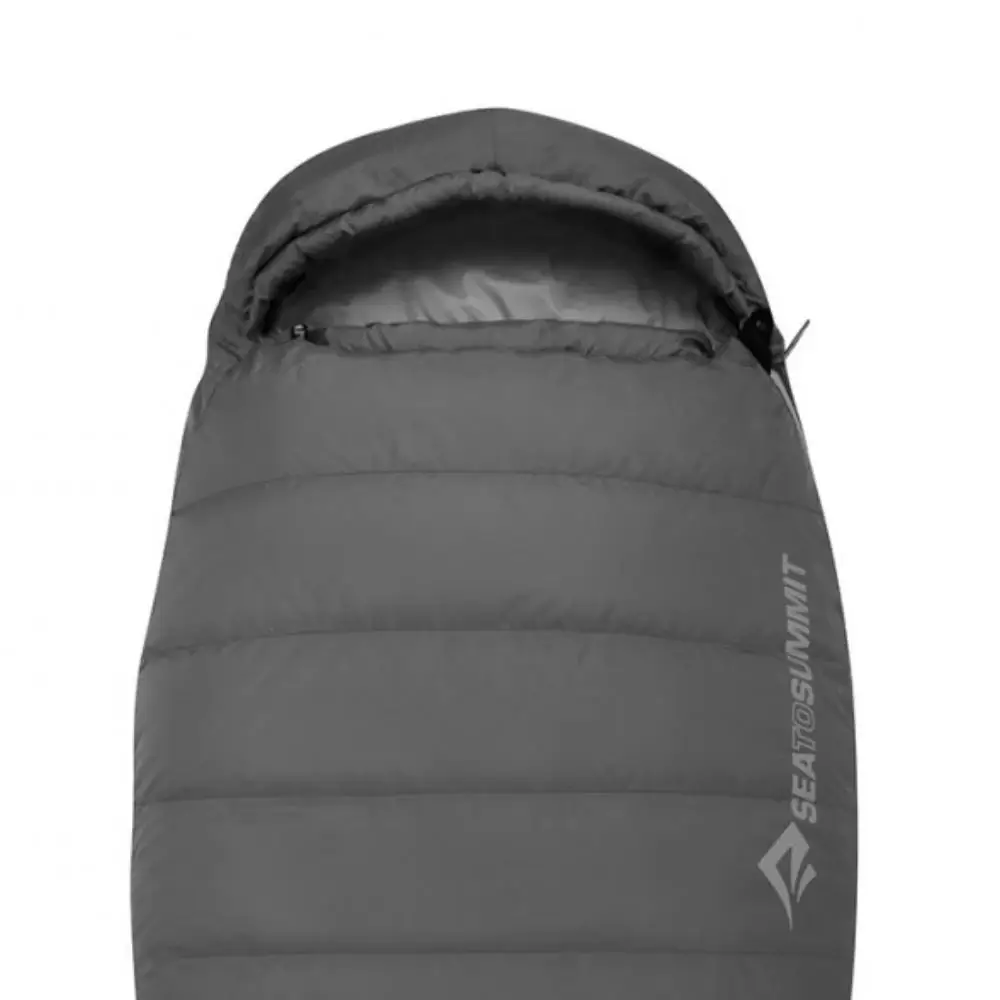
1. Sea to Summit Treeline TI1 (-1°C)
The Practical Down Choice – Let’s kick things off with the Sea to Summit Treeline TI1. This is a solid mid-range down bag, designed to offer a good balance of warmth-to-weight without breaking the bank for the absolute lightest options. With a comfort rating of -1°C, it’s far more adaptable to the varied conditions you find around Sydney than some ultra-light alternatives, making it a good contender for a go-to down sleeping bag for many Australian campers.
The Good
- Good Warmth-to-Weight Ratio: While not the absolute lightest bag out there, the Treeline TI1 (around 850g for the regular) still offers excellent warmth for its weight thanks to its 650+ loft Ultra-Dry Down. It packs down quite nicely into its compression sack, certainly smaller than any synthetic bag of comparable warmth. For someone like me who often car camps but also does a few overnight hikes, this balance is ideal.
- Decent Versatility: A -1°C comfort rating is pretty versatile. It’s warm enough for most autumn, spring, and even mild winter nights in the bush. You won't be shivering on a typical crisp Blue Mountains evening, and it's certainly more than adequate for coastal trips outside of peak summer.
- Free-Flow Zip System: This is a hallmark of many Sea to Summit bags, and it’s a brilliant feature. It includes a full-length main zip, a separate foot zip, and a shorter shoulder zip. This allows for incredible temperature regulation. On warmer nights, you can vent your feet or open it up like a quilt. On colder nights, zip it all the way up for maximum warmth. You can even zip it to another compatible Sea to Summit bag for a double sleeping setup.
- Responsible Down Standard (RDS): As with all their down products, the Treeline uses RDS certified down. Good to know the insulation comes from ethically treated birds.
The Bad
- Moisture Sensitivity: It's down, so it's susceptible to moisture. While the "Ultra-Dry Down" treatment helps repel water, it's not truly waterproof, and prolonged dampness will compromise its insulating properties. For consistently humid or wet conditions, you'd still want to be careful or consider a synthetic.
- Not the Warmest or Lightest: While balanced, it’s not designed for extreme cold, nor is it in the ultra-lightweight category. If you’re pushing into alpine environments or need to shave every single gram, you might look at other (more expensive) options within Sea to Summit's broader range.
- Cost (Still a Factor): As a down bag, the Treeline TI1 still carries a premium price compared to synthetic alternatives. It's an investment, though one that should last with proper care.
My Thoughts – The Treeline TI1 is an excellent choice for someone looking for a high-quality down bag that offers a good blend of warmth, relatively low weight, and packability for typical Australian conditions. If you’re ready to invest in down but don’t need the absolute lightest or warmest option, this is a very practical and comfortable bag that will serve you well across multiple seasons. It’s a fantastic all-round down sleeping bag for general off-grid adventures.
2. Amazon Basics 3-Season Sleeping Bag (5°C)
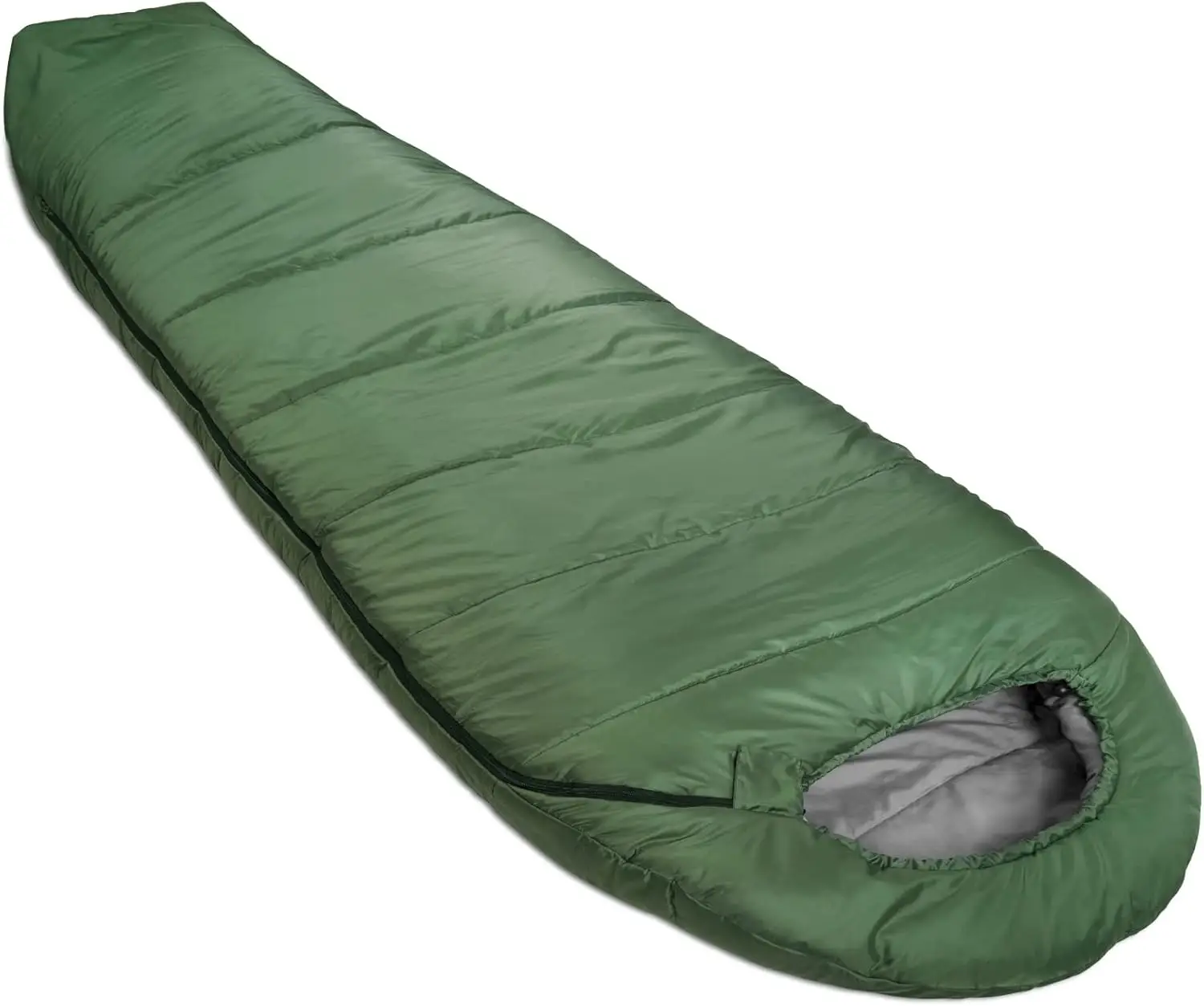
The Budget Entry – Next up, the Amazon Basics 3-Season Sleeping Bag. Let’s be honest, the name pretty much tells you what it is: a basic, no-frills option. With a comfort temperature of 5°C, it’s designed for mild conditions. If you’re looking for the absolute cheapest way to get into a sleeping bag for occasional, fair-weather car camping, this might catch your eye.
The Good
- Price Point: This is its undisputed king feature. It's significantly cheaper than any other bag on this list. If your budget is super tight and you just need something for a couple of summer nights a year, it's hard to argue with the cost.
- Simple, Rectangular Design: It's a classic rectangular shape, which offers more room to move around compared to a mummy cut. This can be comfortable for restless sleepers who feel constricted.
- Synthetic Insulation: Being synthetic means it will retain some warmth if it gets damp, which is a small plus for unexpected dew or light moisture.
The Bad
- Weight and Bulk: This bag is a heavy beast for its warmth rating, and it packs down large. You won't be taking this on any backpacking trips. Even for car camping, it takes up a lot of valuable space in the Prado. Think of it as a bulky blanket.
- Limited Warmth: A 5°C comfort rating means it's strictly for warmer nights. Push it to anything below 10°C with a breeze, and you'll likely feel a chill. It's definitely not a cold-weather sleeping bag for the Australian bush.
- Durability Concerns: The materials feel less robust than the other brands. Zippers might snag, and the outer fabric might not stand up to rough use over time. This isn't built for longevity or serious outdoor adventures.
- Lack of Features: No fancy zip systems, no internal pockets, no contoured hood. It's just a simple sleeping bag.
My Thoughts – The Amazon Basics bag is exactly what it says: basic. It’s for the absolute beginner or the casual car camper who prioritises price above all else and only camps in very mild conditions. Based on my experience in this Australian sleeping bag review, you’ll quickly outgrow its limitations if you camp more than once or twice a year or venture beyond perfect summer weather. I wouldn’t rely on it for any serious bush camping in Australia. It’s a “get by” bag, not a “sleep well” bag.
3. Kathmandu Camper Unisex Sleeping Bag (-3°C)
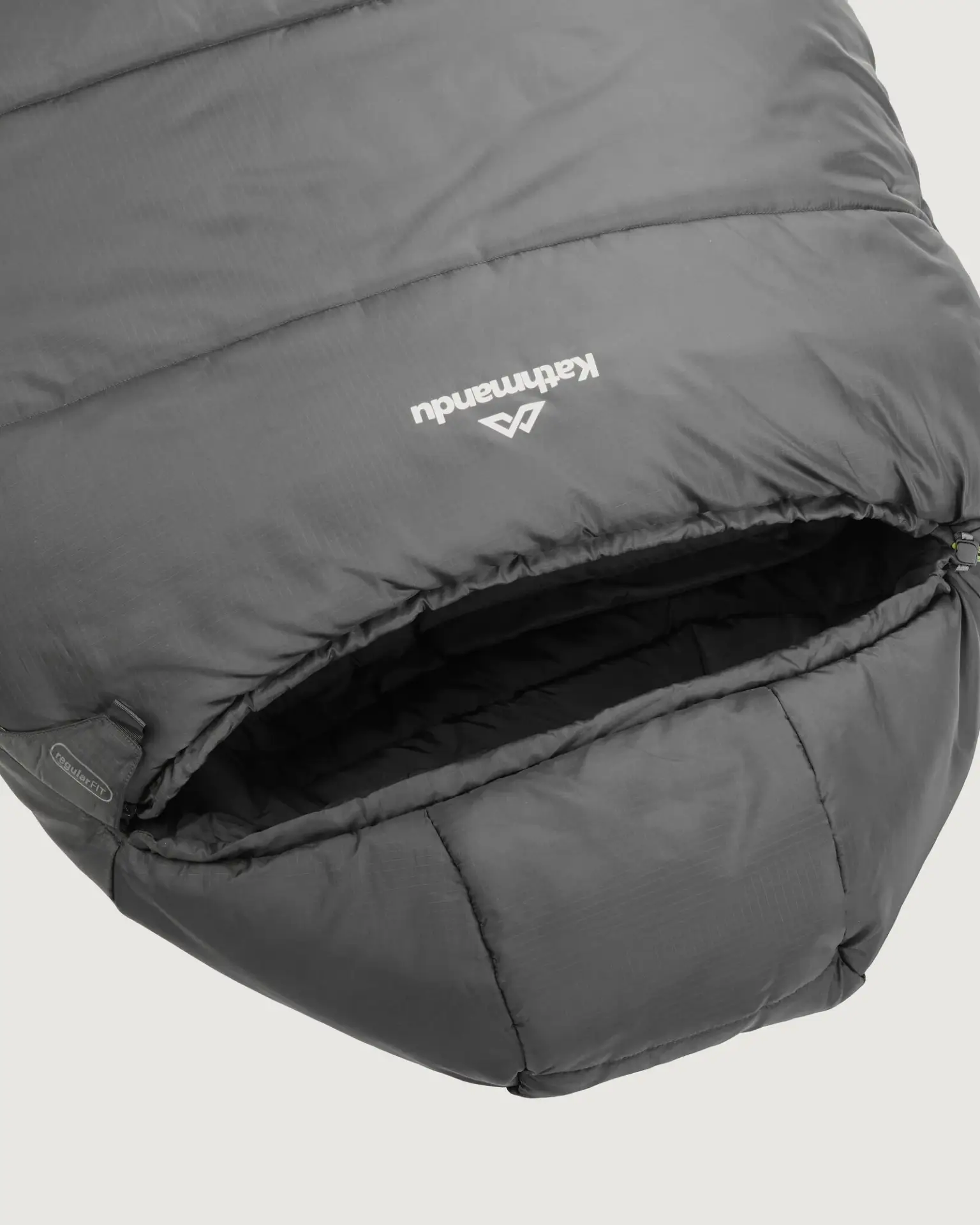
The Familiar Workhorse – Kathmandu is a household name in Australia and New Zealand, and their Kathmandu Camper Unisex Sleeping Bag (-3°C comfort) is often a popular entry point for many campers. It aims for a balance of comfort, durability, and a reasonable price for a synthetic bag.
The Good
- Good Temperature Rating for the Price: A -3°C comfort rating for a synthetic bag at this price point is quite respectable. It means it’s capable of handling typical autumn and spring nights, and even mild winter conditions, which is good for general Australian camping trips.
- Familiar Brand: Many people trust Kathmandu, and their gear is widely available. There's a comfort in buying from a known entity.
- Synthetic Insulation (RE-Warm 100% recycled fill): Uses recycled synthetic insulation, which is a nice environmental touch. It offers good moisture resilience, retaining warmth even if it gets damp – a common occurrence on dewy coastal mornings.
- Generous Rectangular Shape: Like the Amazon Basics, this is a spacious rectangular bag, great for those who dislike feeling confined. You can move your legs and roll around more freely. It also unzips fully to become a quilt.
The Bad
- Weight and Bulk: Being a synthetic rectangular bag, it's quite heavy (around 1.7kg for the regular) and bulky when packed. It's definitely designed for car camping and certainly not for lightweight hiking. Storing it in the Prado is fine, but it takes up a fair bit of real estate.
- Basic Features: While comfortable, it lacks some of the more advanced features you find on Sea to Summit bags, like multiple zip sliders for fine-tuned ventilation.
- Zippers Can Snag: I've had experiences with Kathmandu zippers being a bit prone to snagging the fabric if you're not careful. It's a minor annoyance but can be frustrating in the dark.
My Thoughts – Overall, the Kathmandu Camper is a solid, reliable choice for general car camping in Australia, particularly if you value a spacious fit and the moisture resilience of synthetic insulation. In this Australian sleeping bag review, it stands out as a good step up from budget options and delivers dependable warmth for most conditions outside of extreme cold or alpine regions. If you prefer a traditional rectangular bag from a well-known brand, this is a strong contender.
4. Naturehike Camping Sleeping Bag (2°C)
The Budget-Friendly Down Option – Finally, let’s look at the Naturehike Camping Sleeping Bag. Naturehike has carved out a niche by offering surprisingly good quality lightweight outdoor gear at very competitive prices, often challenging the established brands. In this Australian sleeping bag review, this particular bag stands out with 800FP duck down and a comfort rating around 2°C.
The Good
- Excellent Warmth-to-Weight for the Price: This is where Naturehike shines. Getting 800 fill power (FP) down at this price point is remarkable. It’s significantly lighter (around 700-800g for the regular) and more compressible than any synthetic bag on this list, offering true lightweight backpacking potential.
- Good Packability: Thanks to the high-quality down, this bag compresses down impressively small into its included compression sack. This is a huge advantage if you’re tight on space in your pack or vehicle.
- Versatile Temperature Rating: A 2°C comfort rating is quite versatile for many Australian camping scenarios, from cool spring nights to mild winter trips, especially if you layer up.
- Mummy Shape for Efficiency: The mummy design maximises thermal efficiency, keeping you warmer for less weight.
The Bad
- Moisture Sensitivity: Being a down bag, it’s vulnerable to moisture. While some Naturehike bags have water-resistant treatments, they won’t perform like a synthetic if genuinely wet. Care is needed in damp conditions.
- Ethical Sourcing (RDS): While Naturehike generally provides good quality, it's often harder to verify if their down is RDS certified compared to brands like Sea to Summit. For some, this ethical consideration is important.
- Build Quality Can Vary: While generally good, occasional reviews might point to minor inconsistencies in stitching or zipper quality compared to premium brands. I’ve personally found them reliable, but it’s something to be aware of.
- Narrow Mummy Fit: If you don't like restricted movement, the mummy shape of this bag might feel a bit tight, especially if you’re a side sleeper or like to sprawl.
My Thoughts – The Naturehike Camping Sleeping Bag is an absolute game-changer for budget backpackers or anyone looking to get into down sleeping bags without the hefty price tag of premium brands. If you’re careful with moisture and don’t mind a snug fit, this offers incredible value for its warmth and lightness. For hiking in Australia on a budget, this is easily the top pick. I’ve seen many fellow hikers using these, and they’re generally very happy.
Key Factors in This Australian Sleeping Bag Review
Build Quality: Sea to Summit generally leads here with consistently robust zippers, clean stitching, and thoughtful design (like their Free-Flow Zip System). Kathmandu offers solid, dependable construction. Naturehike provides surprisingly good build for its price point. Amazon Basics is, well, basic.
Packaging & Compression: Sea to Summit and Naturehike typically include good quality compression sacks and mesh storage bags. Kathmandu often comes with a basic stuff sack. Amazon Basics likely just has a simple stuff sack. Proper storage (uncompressed) is vital for any bag’s longevity.
Temperature Ratings (EN/ISO): Always look for EN/ISO ratings and focus on the Comfort rating. Remember that this is a guideline, and your personal warmth preference, Sleeping Pad, and clothing will all play a role. I always recommend erring on the side of a warmer bag, or bringing a liner, especially if you’re a “cold sleeper.”
Down Material
Sea to Summit Treeline, Naturehike – Unbeatable warmth-to-weight, highly compressible, excellent longevity if cared for. Downside: more expensive, loses insulation when truly wet, requires careful handling and cleaning. Ideal for dry, cold conditions and when weight/pack size are paramount.
Synthetic Material
Amazon Basics, Kathmandu Camper – Retains warmth when damp, more durable, easier to care for, generally more affordable. Downside: heavier, bulkier, shorter lifespan for loft. Ideal for wet climates, budget-conscious campers, or those who need a more rugged option.
Personal Tips
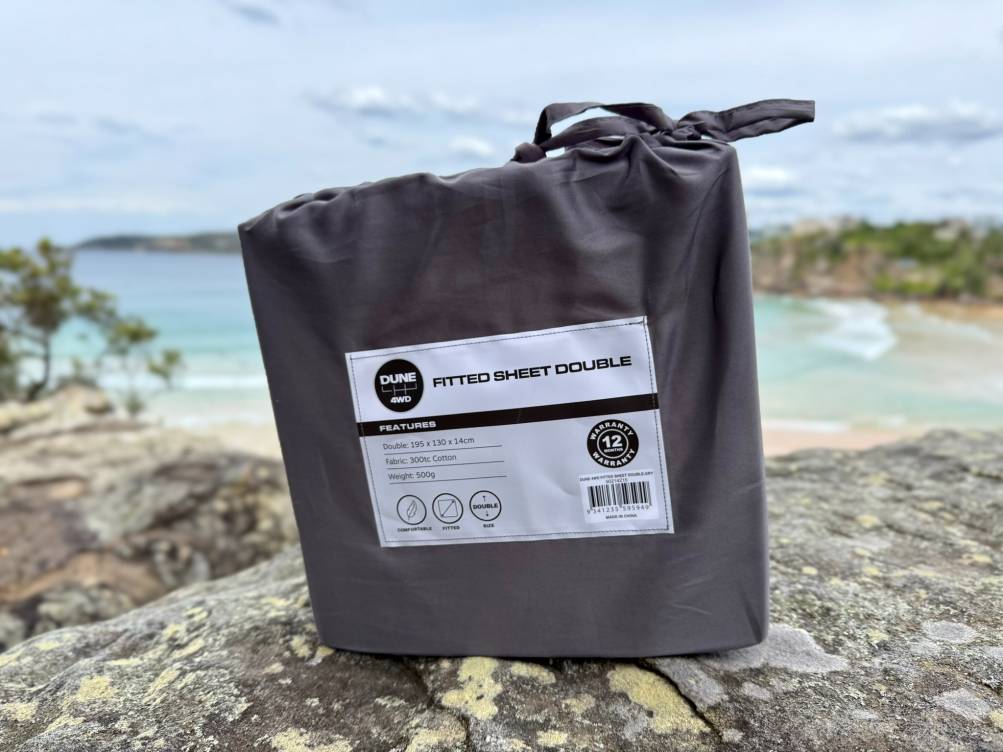
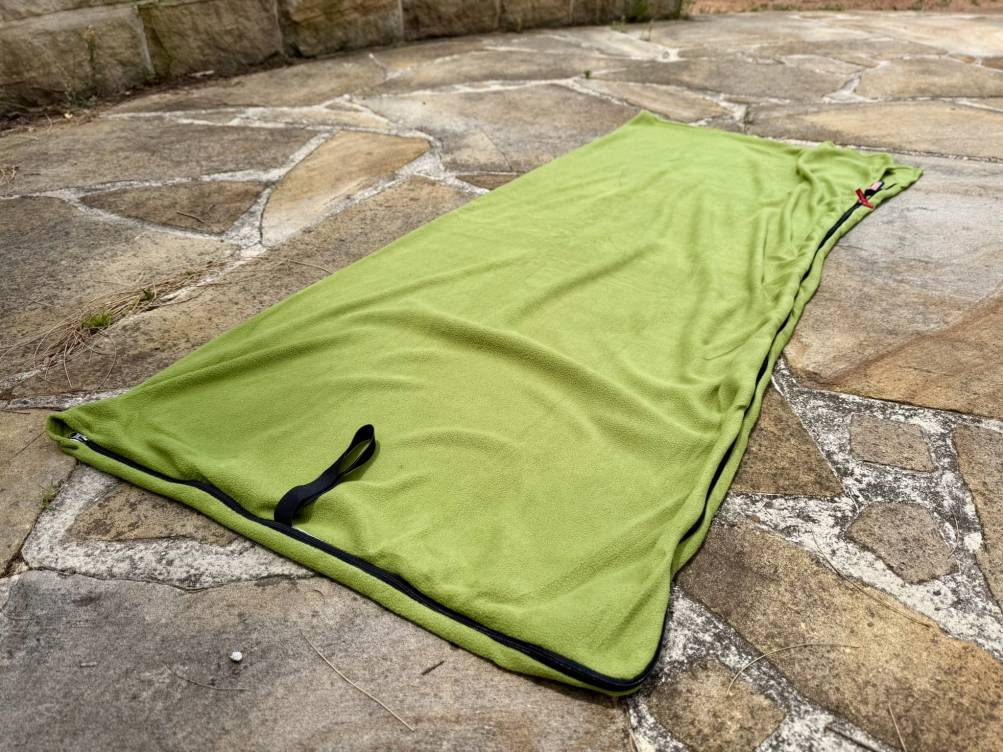
- Liners Are Your Friend: Seriously, invest in a good sleeping bag liner (Sea to Summit makes some excellent ones). They add a few degrees of warmth, keep your bag cleaner (meaning less washing, which is good for insulation), and can extend the life of your bag. On really warm nights, I sometimes just use a liner inside a bivvy.
- Storage is Key: Never store your bag (down or synthetic) compressed for long periods. Always use a large mesh storage bag (or even a big pillowcase) to allow the insulation to loft freely. This is crucial for maintaining its insulating power over time.
- Zippers and Snags: Take your time zipping up. Almost every sleeping bag, regardless of brand, can suffer from fabric snags if you're not careful. A bit of patience here saves you from tears and broken zips.
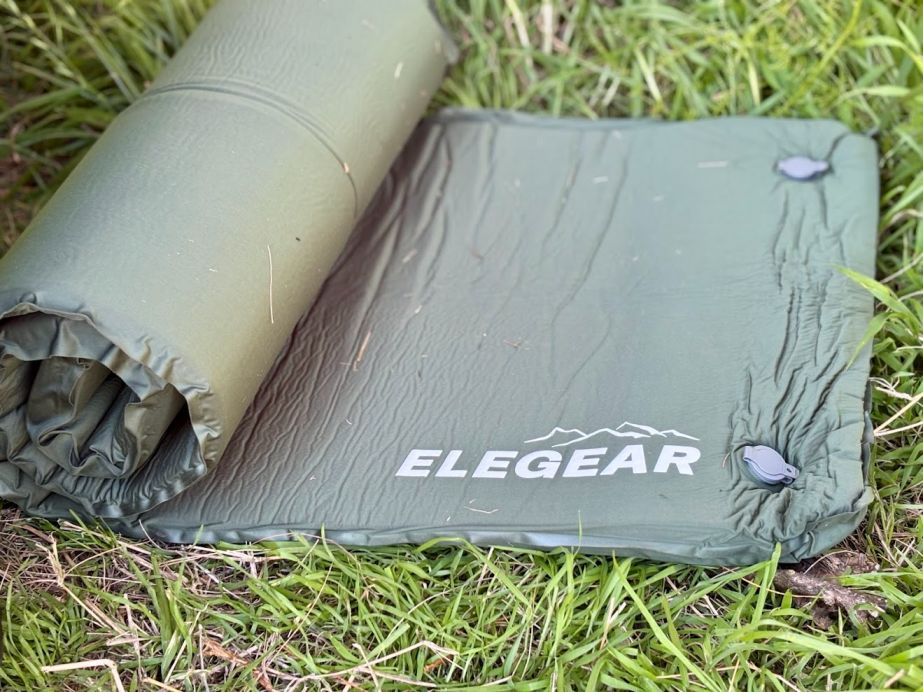
- The Sleeping Pad Matters: Your sleeping bag is only half the equation. A good insulated sleeping pad is crucial for preventing heat loss to the ground. Don't cheap out on the pad!
Final Thoughts: What is the best Sleeping Bag in Australia?
It really depends on your specific camping priorities: budget, warmth needs, packed size, and whether you’re car camping or backpacking.
Personally, I would absolutely buy the Sea to Summit Treeline or a similar Naturehike down bag again, as they align with my diverse off-grid camping needs. The Kathmandu is a good, reliable choice for casual car camping trips. As for the Amazon Basics? Only if I were in a pinch and had literally no other option for a single warm night.
Choose wisely — your sleep depends on it, and this review of best sleeping bags in Australia should give you a solid head start.
Which sleeping bag is right for you
- For the Premium All-Rounder (Down): Sea to Summit Treeline TI1 - If you're willing to invest in quality down for excellent warmth-to-weight and versatility across most Australian seasons, the Treeline TI1 is a fantastic choice. It offers great features and ethical sourcing.
- For Budget-Conscious Backpackers (Down): Naturehike Camping Sleeping Bag - If you need lightweight down performance without breaking the bank, Naturehike offers incredible value. It's perfect for those who prioritise packability and low weight for hiking.
- For Reliable Car Camping (Synthetic): Kathmandu Camper Unisex - If you primarily car camp, value a spacious and comfortable fit, and appreciate the moisture resilience of synthetic insulation from a familiar brand, the Kathmandu Camper is a solid, dependable option.
- For Absolute Budget (Synthetic): Amazon Basics 3-Season Sleeping Bag - Strictly for occasional, mild-weather car camping on a minimal budget. Don't expect top performance, durability, or versatility.
Side-by-Side Sleeping Bag Review Table
| Feature | Sea to Summit Treeline TI1 | Amazon Basics 3-Season | Kathmandu Camper Unisex | Naturehike Camping Sleeping Bag |
|---|---|---|---|---|
| Insulation Type | Down (650+ loft Ultra-Dry Down) | Synthetic | Synthetic (RE-Warm Recycled Fill) | Down (800FP Duck Down) |
| Comfort Rating (EN/ISO) | -1°C | 5°C | -3°C | approx. 2°C |
| Approx. Weight (Regular) | ~850g | ~1.8kg (estimated) | ~1.7kg | ~700-800g |
| Packed Size | Excellent (Very Compact) | Very Large (Bulky) | Large (Bulky) | Excellent (Very Compact) |
| Moisture Resilience | Good (Ultra-Dry Down) | Good (Synthetic) | Good (Synthetic) | Poor (Down, sensitive to moisture) |
| Durability | Excellent | Basic | Good | Good |
| Features | Free-Flow Zip, RDS Down, Contoured Hood | Basic zippers, rectangular | Full-length zip, rectangular, hood | Basic mummy, hood |
| Best Use Case | Versatile multi-season, light hiking | Occasional summer car camping | General car camping, family camping | Lightweight backpacking, warmer cold trips |
| Price Point | Premium | Very Budget | Mid-range | Budget (for down) |