For those of us who love a good trek, every gram counts. I’m always on the lookout for gear that balances packability with comfort, so when I got my hands on the Naturehike LW180, I was keen to see if it lived up to the hype. It promises a lot for a lightweight bag, but the question remains: is it truly a reliable companion for a night under the stars?
The good
- Very light (760g)
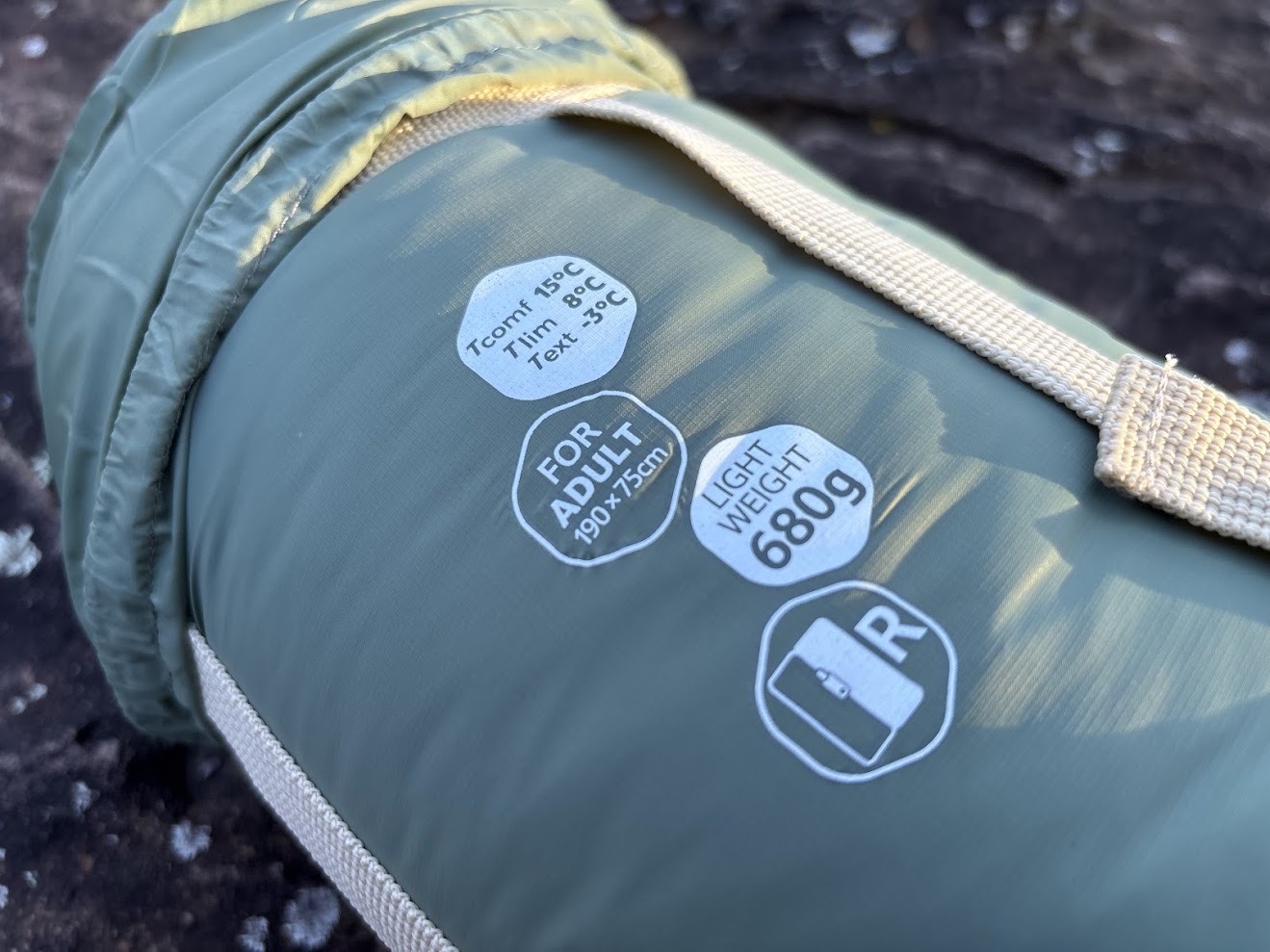
- Packs down to 19cm height
- Foot zip for ventilation
- Generous 205x85cm size (XL)
- Comfy 240T pongee lining
The not-so-good
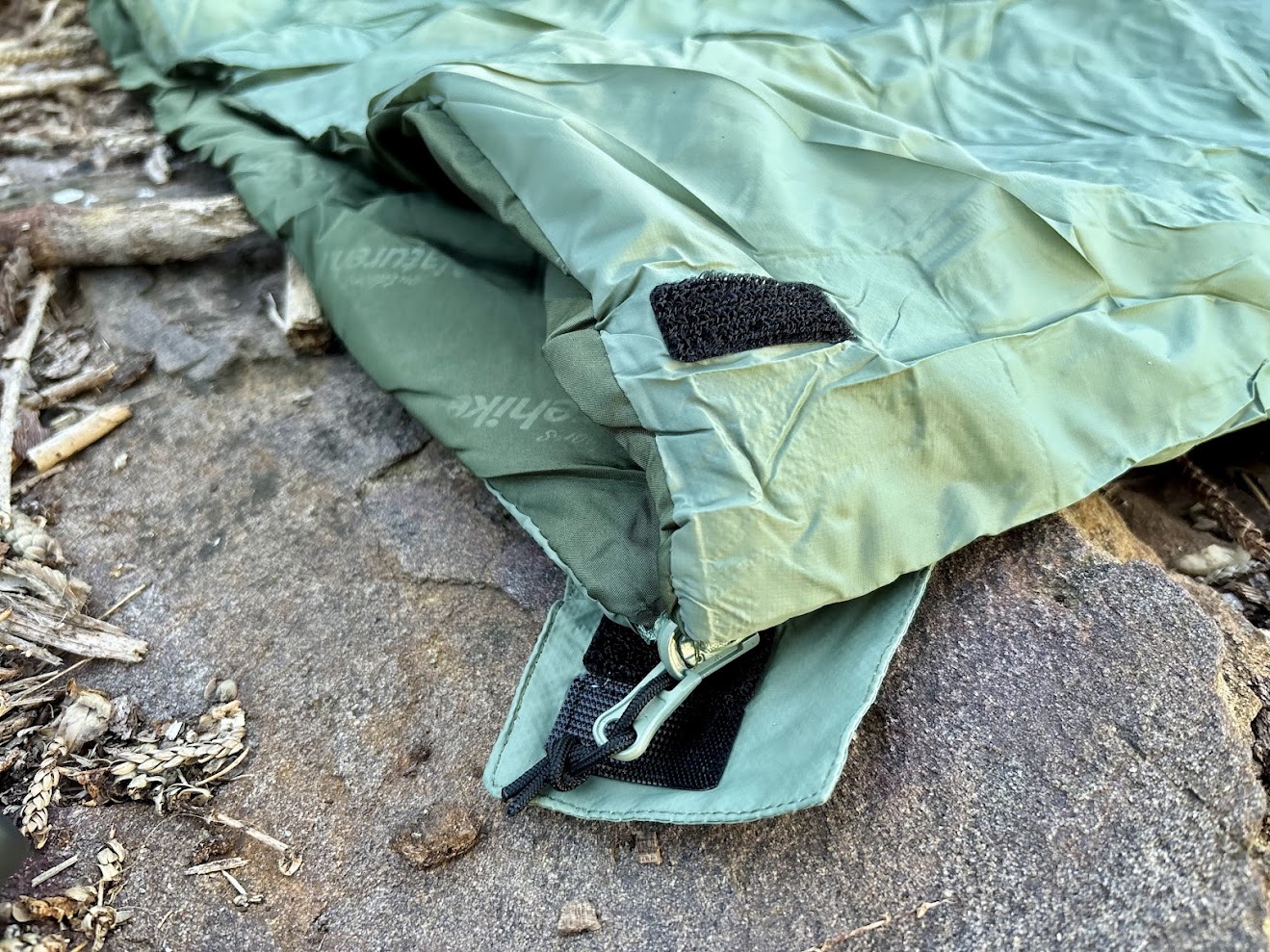
- Zipper can snag easily
- Best for warmer conditions
- Stuff sack straps feel a bit flimsy
What You’re Getting
An ultralight and compact sleeping bag designed for backpackers and hikers, featuring a skin-friendly pongee lining, water-repellent nylon shell, and a foot zipper for ventilation.
Quick Specs
If you’re ready to dive into the details, here are the key specs for this product. The table below gives you a clear and quick overview of everything you need to know.
| Spec | Details |
|---|---|
| Brand | Naturehike |
| Model | LW180 |
| Weight | 760g (XL) |
| Dimensions | 205cm x 85cm (XL) |
| Packed Size | 13cm x 31cm (XL) |
| Outer Fabric | 20D Nylon |
| Lining | 240T Pongee |
| Fill | TC Cotton |
| Zippers | Double-opening front/foot |
First impressions
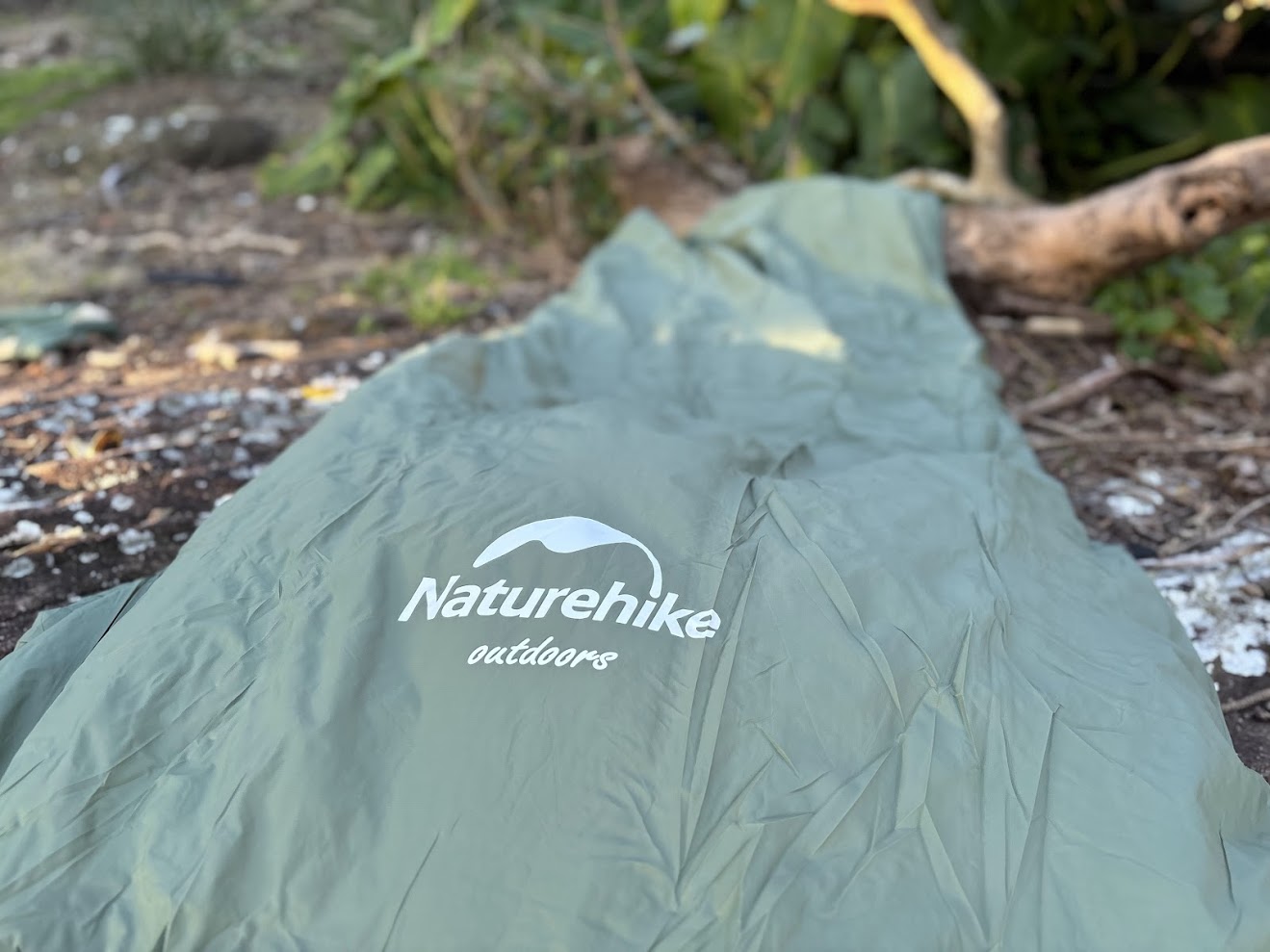
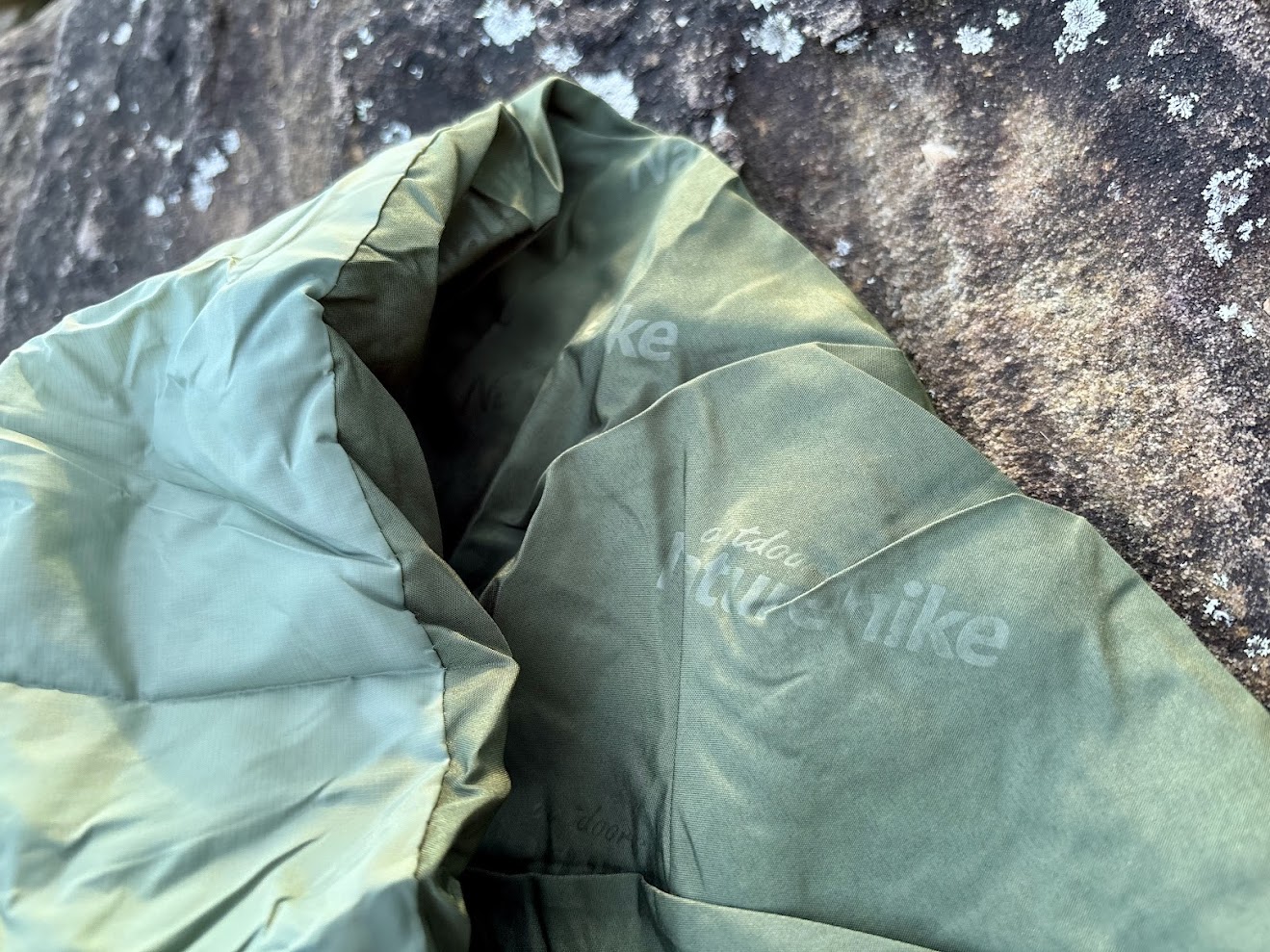
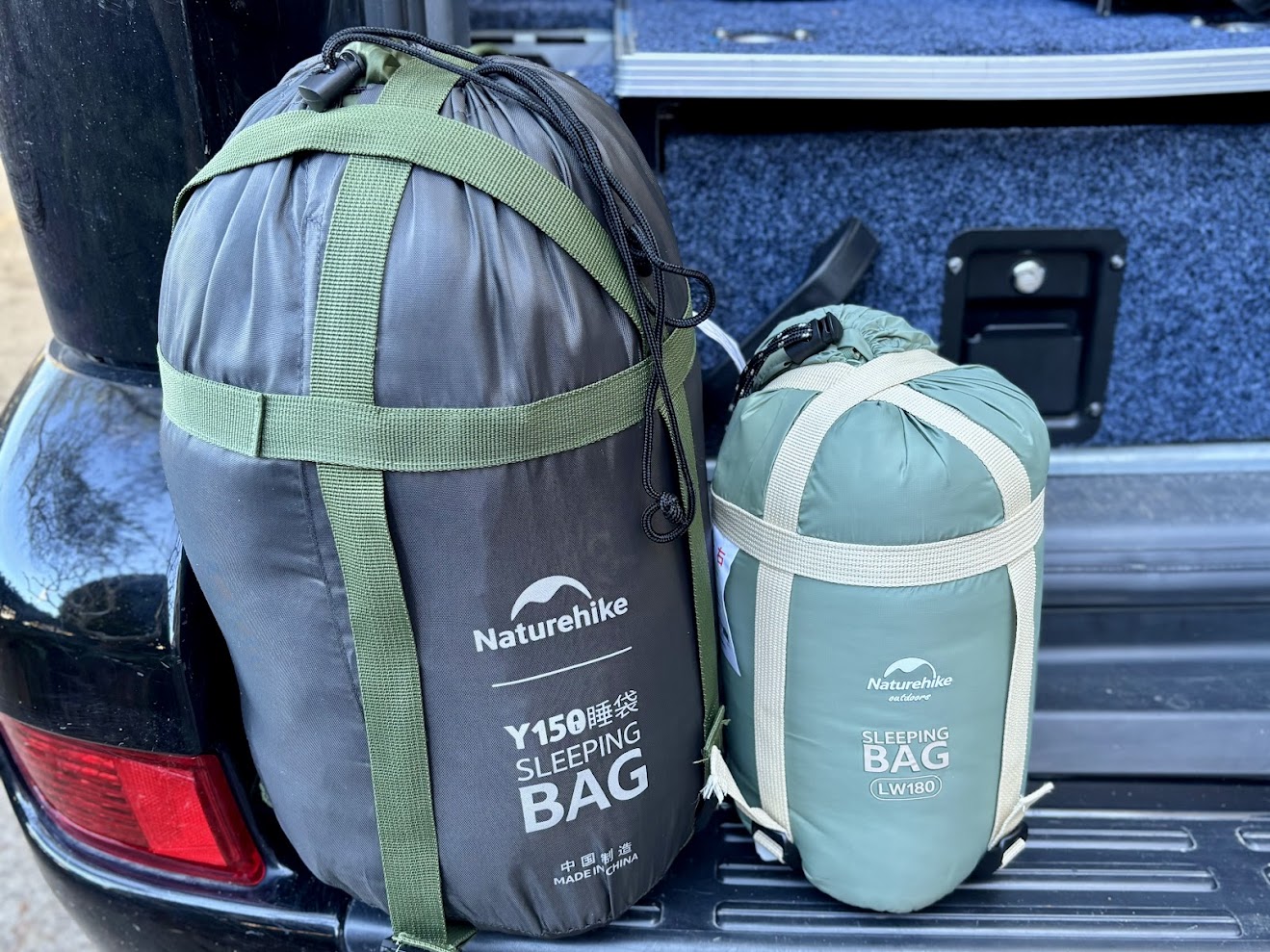
Taking the Naturehike LW180 out of its compression sack for the first time, I was genuinely surprised by how small and light it felt. The compression sack does an excellent job, pulling it down to a tiny, easy-to-manage size. The nylon shell feels smooth and lightweight, while the interior lining feels incredibly soft and plush to the touch. It’s a bit different from other bags I’ve used, which often have a more synthetic, crinkly feel.
I climbed inside and immediately noticed how much room there was. It’s not a mummy bag, which is great for those who like to move around a bit. My initial thought was that this would be perfect for a summer hike or a trip where every last bit of space in my pack is precious.

Materials & Build Quality
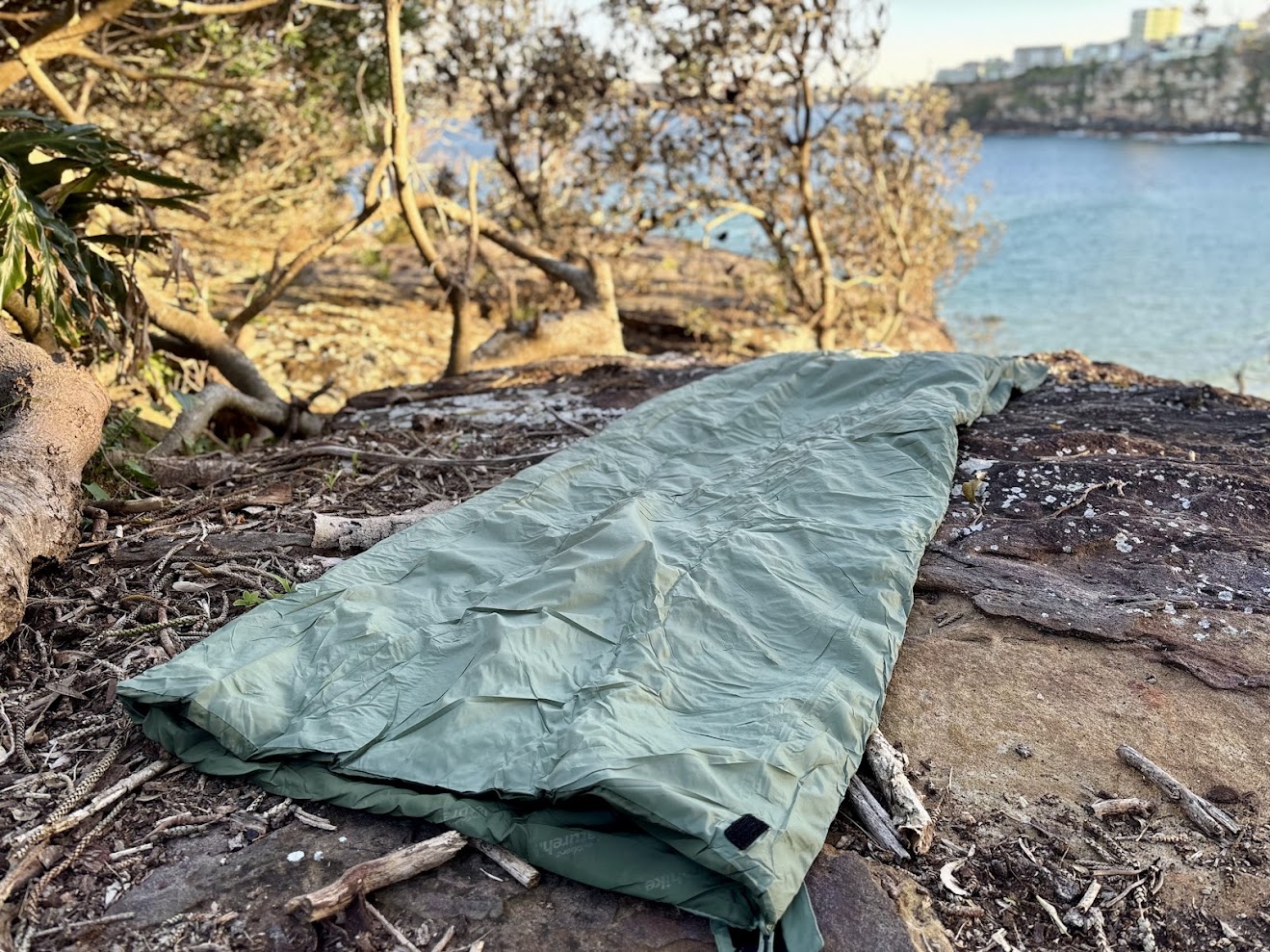
The LW180 uses a 20D nylon fabric for the outer shell, which is surprisingly tough for how thin it feels. It’s also water-repellent, and I can confirm it holds up against light dew and a few stray splashes. The inner lining is a 240T skin-friendly pongee. This material is what really makes the bag comfortable; it’s soft and prevents that clammy feeling you sometimes get in sleeping bags.
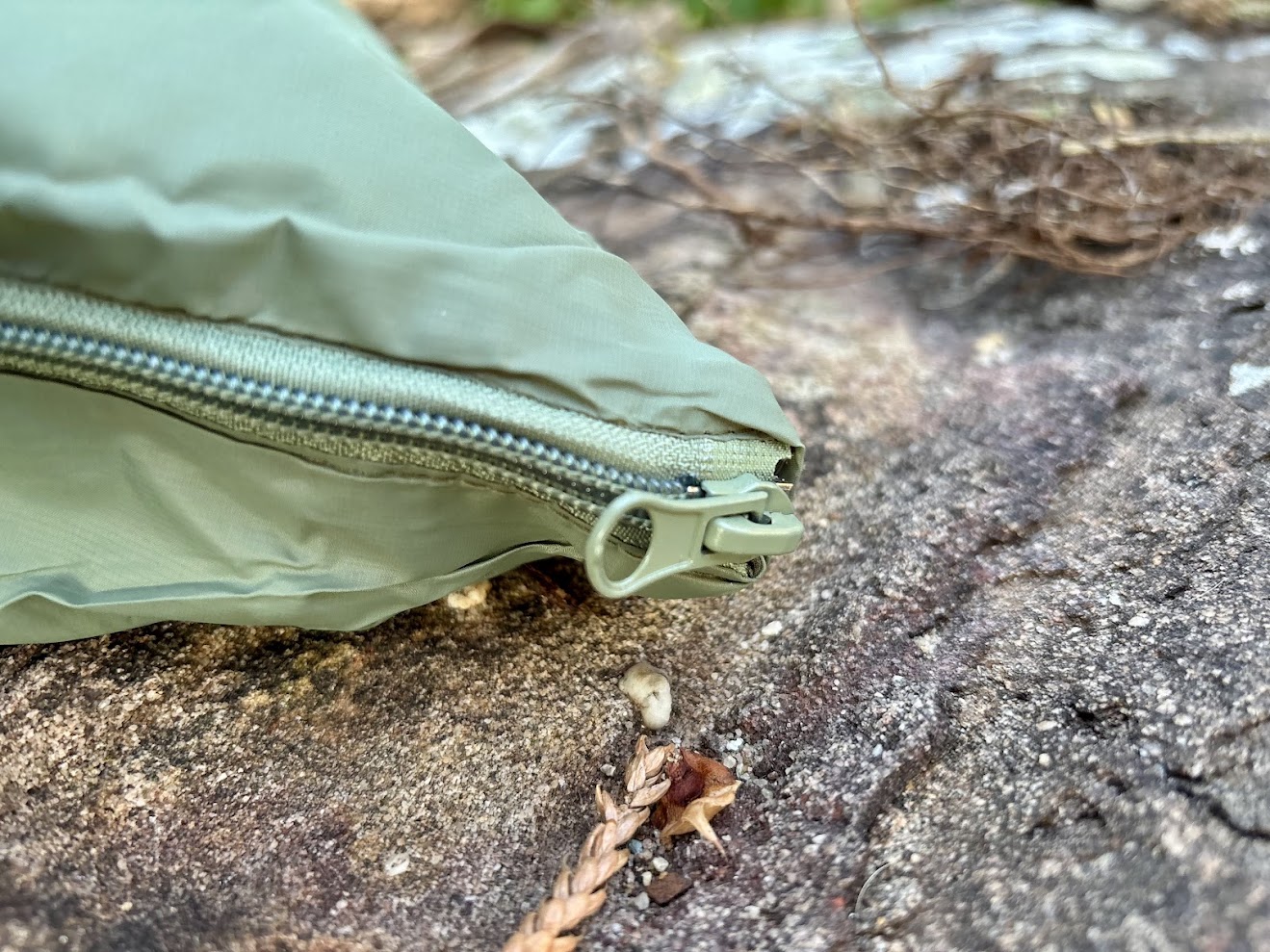
The insulation is TC cotton, which is a big reason for the bag’s lightweight nature. While the overall stitching and construction feel solid, I did notice the zipper can be a little sticky and requires a careful hand to operate smoothly. The compression sack, though effective, feels a bit thin and the compression straps could be more robust.
Ergonomics & Weight
This sleeping bag’s biggest selling point is its weight, or lack thereof. At just 760g for the XL size, it’s a dream to carry on extended hikes. It barely registered in my pack, leaving plenty of room for other essentials. The non-mummy design is a major win for comfort. I could stretch out and move my legs freely without feeling restricted.
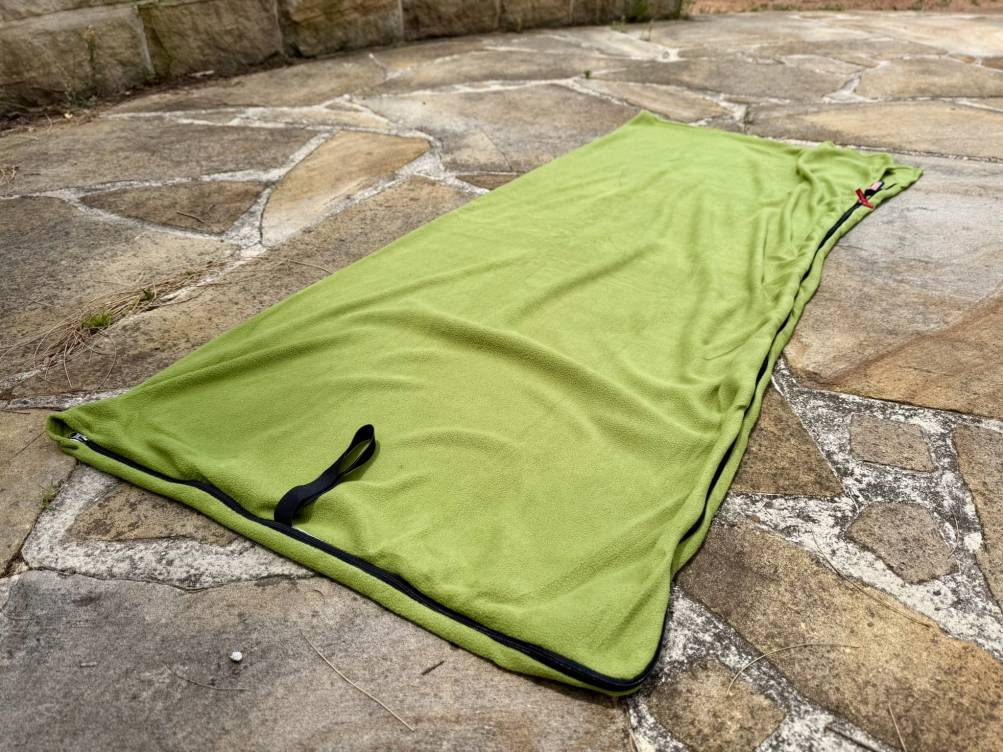
One of the best features is the double-opening zipper, particularly the one at the foot. On a warmer night, it’s fantastic to be able to unzip just the bottom section to let my feet breathe without having to expose the rest of my body. It’s these thoughtful little details that make a big difference in the field.
Performance & Features
I tested the LW180 on a few milder nights where the temperature dipped to around 10-12°C. For these conditions, it was perfect. I stayed warm and comfortable without overheating. The breathability from the pongee lining and the foot zipper made a real difference. However, I wouldn’t trust it for anything colder. This is a 3-season bag at best, and it’s best suited for late spring, summer, and early autumn.
The zippers are functional, but you do need to be mindful of the fabric catching. The compression sack, as mentioned, is very effective at getting the bag down to its stated size of 19cm in height, which is a huge bonus. Overall, it performs exactly as you would hope for a lightweight, warm-weather bag.
Gear That Complements Your Camping Setup
A great sleeping bag is just one piece of the puzzle. To make sure you’re truly prepared for a comfortable night, you’ll want to pair it with other essential camp gear. To keep the moisture and cold from seeping in, it’s worth checking out some of our reviews on ultralight gear suchs as sleeping mats, which can significantly boost your warmth and comfort.
Similarly, a high-quality camp light is a must-have for setting up camp in the dark, and we’ve reviewed several options that won’t weigh you down. And for those cold mornings, titanium cookware and a reliable stove are perfect for brewing that first cup of camp coffee.
The Naturehike LW180 is an impressive piece of gear for its intended purpose.
It’s a fantastic option for backpackers, hikers, and anyone looking to shed some weight from their pack without sacrificing too much comfort. Its ultralight design, roomy interior, and smart features like the foot zipper make it a pleasure to use on warm-weather trips. While it might not be the most durable sleeping bag on the market, its performance and price point make it an outstanding value. Overall, for summer adventures and mild-weather camping, it’s a smart choice that will serve you well.
This sleeping bag is best for minimalist backpackers, casual campers, and cyclists who prioritise a small pack size and low weight. It is ideal for use in warmer climates or during the summer and early autumn. It's also an excellent choice for a child's first lightweight sleeping bag for school camps or family trips.
The Naturehike LW180 offers an incredible balance of portability, comfort, and performance for its price. While there are more durable or warmer sleeping bags on the market, they often come with a much higher price tag and significantly more weight. If you're looking for a reliable, no-frills sleeping bag for mild-weather adventures, this is one of the best value options you’ll find.