It’s happened to all of us. You’ve found the perfect campsite, the fire is crackling, and you’re feeling ready for a good night’s rest. But as soon as you lie down, you feel that unmistakable chill creeping up from the ground. It doesn’t matter how great your sleeping bag is; if your sleeping pad isn’t doing its job, you’re in for a long, cold night. This is where understanding R-value comes in. It’s the most important number to know when choosing a sleeping pad, and once you get your head around it, you’ll be set for a comfortable night no matter the season.
The good
- Do check the R-value for your trip
- Do match the pad to the coldest temps
- Do consider stacking pads for winter
- Do choose a higher R-value if you sleep cold
- Do remember R-values are additive
The not-so-good
- Don't just pick a pad based on weight
- Don't forget your sleeping bag's rating
- Don't use a low R-value in the cold
What is it?
Simply put, R-value is a measure of an object’s thermal resistance. In camping terms, it’s how well a sleeping pad resists the cold trying to get to you from the ground. Think of it like the insulation in your house: the higher the number, the better it is at stopping heat transfer. Since a cold ground is one of the biggest sources of heat loss for a person sleeping in a tent, your pad’s insulation is just as important, if not more so, than your sleeping bag.
For many years, brands used their own testing methods, which made it confusing to compare pads. Now, with the new industry-standard ASTM F3340-18 test, you can confidently compare the R-value insulation sleeping pad rating from different companies, knowing they’ve all been tested in the same way. A pad with an R-value of 4 will insulate you twice as well as one with an R-value of 2.
R-Value Guide
| R-Value | Typical Use | Example Conditions |
|---|---|---|
| 0 – 2 | Warm Weather / Summer | Overnight temps above 10°C |
| 2 – 4 | Shoulder Seasons | Overnight temps down to 0°C |
| 4 + | Cold Weather / Winter | Overnight temps below 0°C |
How to use it
Choosing the right pad for your trip is all about anticipating the conditions. For a typical summer trip where the nights are warm, an R-value of 1 or 2 is usually more than enough. These pads are often very light and pack down small, which is a big bonus for hiking. However, if you’re heading out in autumn, spring, or to a place with colder nights, you’ll want to step up to an R-value of 2 to 4. For winter camping or trips to alpine areas where you might see snow, you should always go for a pad with an R-value of 4 or higher.
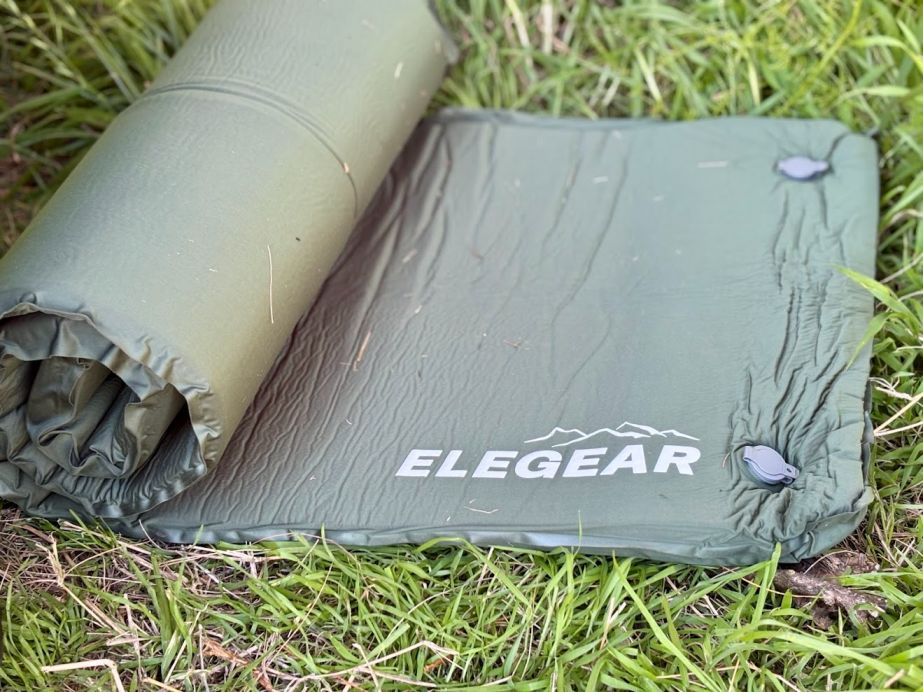
If you already own a sleeping pad with a lower R-value but want to extend its use into colder seasons, you can combine it with another pad. R-values are additive, so by placing a simple closed-cell foam pad with an R-value of 2 under your inflatable pad with an R-value of 3, your total R-value for your sleep system becomes 5. It’s a fantastic and often cost-effective way to get more versatility from your gear.
What to keep in mind
Remember that R-value is just one part of your sleep system. Your sleeping bag and the clothes you wear to bed are also critical. A sleeping bag’s temperature rating is tested with a high R-value pad, so if you’re feeling cold, it might be your pad, not your bag, that is to blame. Also, be aware of your own body. If you know you’re a “cold sleeper,” it’s always wise to choose a pad with a slightly higher R-value than you think you need.
It’s also a common misconception that a high R-value pad will make you too hot in warm weather. A sleeping pad’s job is to resist heat transfer, not to generate heat. On a warm night, a pad with an R-value of 4 will simply do a better job of reflecting your body heat back to you rather than allowing it to dissipate into the ground. A good night’s sleep is priceless, and having the right gear for the conditions is the best way to ensure it.
Summary
To sum it all up, a sleeping pad’s R-value is the key to staying warm and comfortable when camping. It’s a standardised rating that tells you how well a pad insulates you from the cold ground. For warm weather, a low R-value is fine, but as the temperatures drop, you need to make sure your pad’s R-value increases to match. A pad with a higher R-value will not make you too hot in warm weather, it will simply prevent you from losing heat to the ground. By understanding this simple number, you can confidently choose the right gear for your adventure and ensure a much better night’s sleep.
Related Gear
Ensuring a warm night is all about creating a solid sleep system. While a sleeping pad‘s R-value is crucial, the right sleeping bag is just as important. Check out our reviews on the latest ultralight gear to pair with your new pad, or take a look at our guides on camp kitchen gear to help you make a hot meal before bed.