If you head towards Mungo National Park, camping at Mungo NP Main Campground is unlike anywhere else in Australia. At the park’s main campground, you’re surrounded by surreal landscapes, rich Aboriginal heritage, and a silence that settles deep into your bones. The terrain is dry and open, with a dust-red glow at sunset and night skies so vast you feel like you’re sleeping on another planet.
If you’re planning to explore the World Heritage–listed Willandra Lakes Region, this is the best base to do it. The campground is basic, dry, and hot—but completely unforgettable.
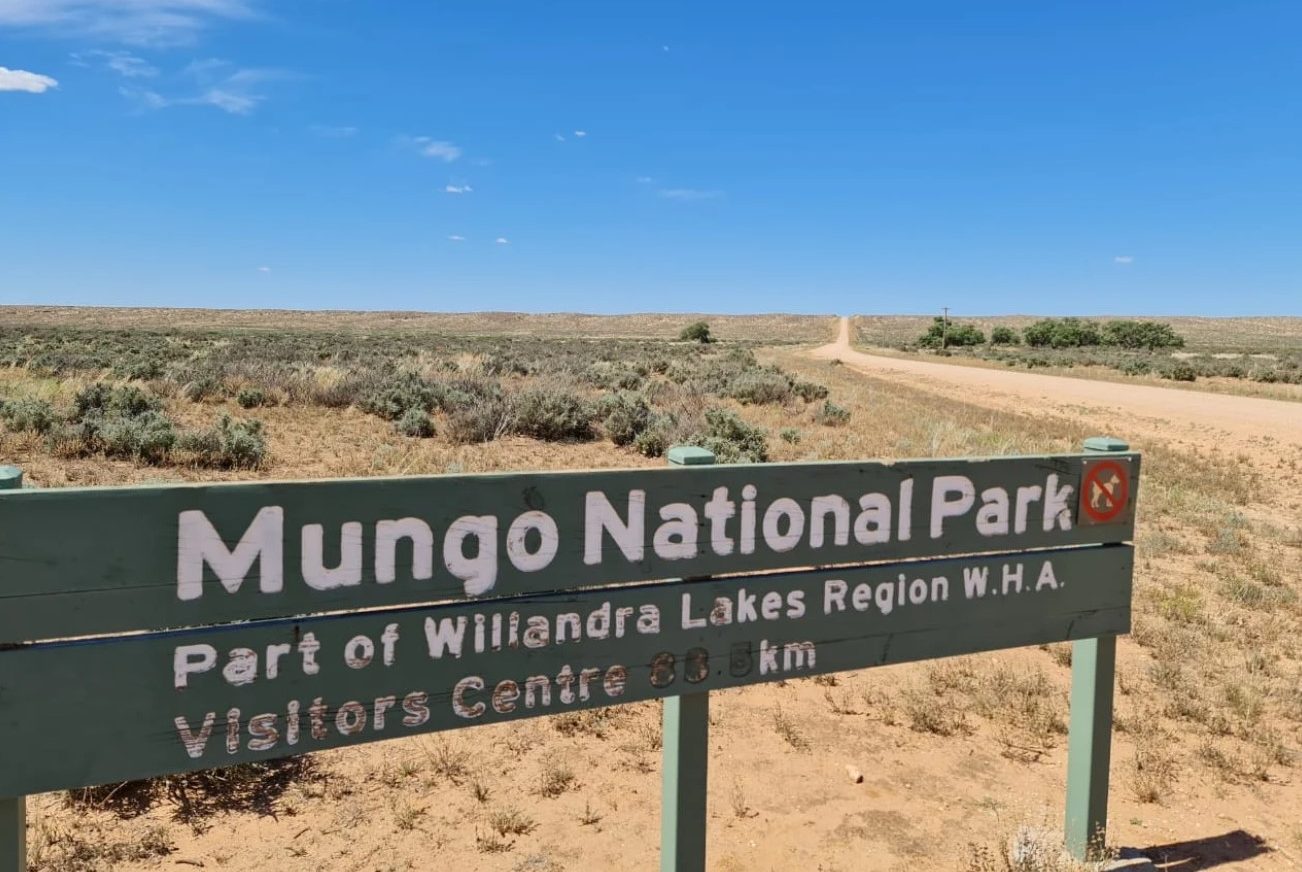
About Mungo NP Main Campground
A remote outback campground inside Mungo National Park, offering basic bush camping among World Heritage dunes and red desert. Large flat sites, pit toilets, and barbecue areas. No water or phone signal—fully off-grid and deeply scenic.
| About | Details |
|---|---|
| Location | Mungo National Park, off Arumpo Rd, NSW 2716 |
| Nearest Town | Mildura (approx. 110km away) |
| Access | 2WD or 4WD; unsealed roads (check conditions) |
| Entry Fee | $8 per vehicle per day (self-registration) |
| Best Time to Visit | Spring or autumn; avoid summer heat |
| Facilities | Pit toilets, picnic tables, fire pits (no water) |
| Activities | Guided tours, hiking, stargazing, photography |
| Pet Friendly | No |
| Wheelchair Accessible | Limited (near visitor center only) |
| Fire Restrictions | Fire pits allowed (seasonal bans apply); bring firewood |
Getting There and Accessibility
Getting to Mungo NP Main Campground was a scenic drive with a bit of adventure. I set out from Mildura, taking the Sturt Highway to the Silver City Highway, then turning onto Arumpo Road. The final stretch is unsealed, and while my 4WD handled it easily, I saw a few 2WDs managing on a dry day. It took about 90 minutes, and the red dunes started to hint at the outback ahead.
The road conditions can change, so I checked with the Mungo Visitor Centre beforehand – a smart move, as wet weather can close it. The self-registration for the $8 daily fee was simple, using envelopes at the entrance. It’s a manageable trip for most vehicles in good weather, but the isolation makes it feel like a true getaway.
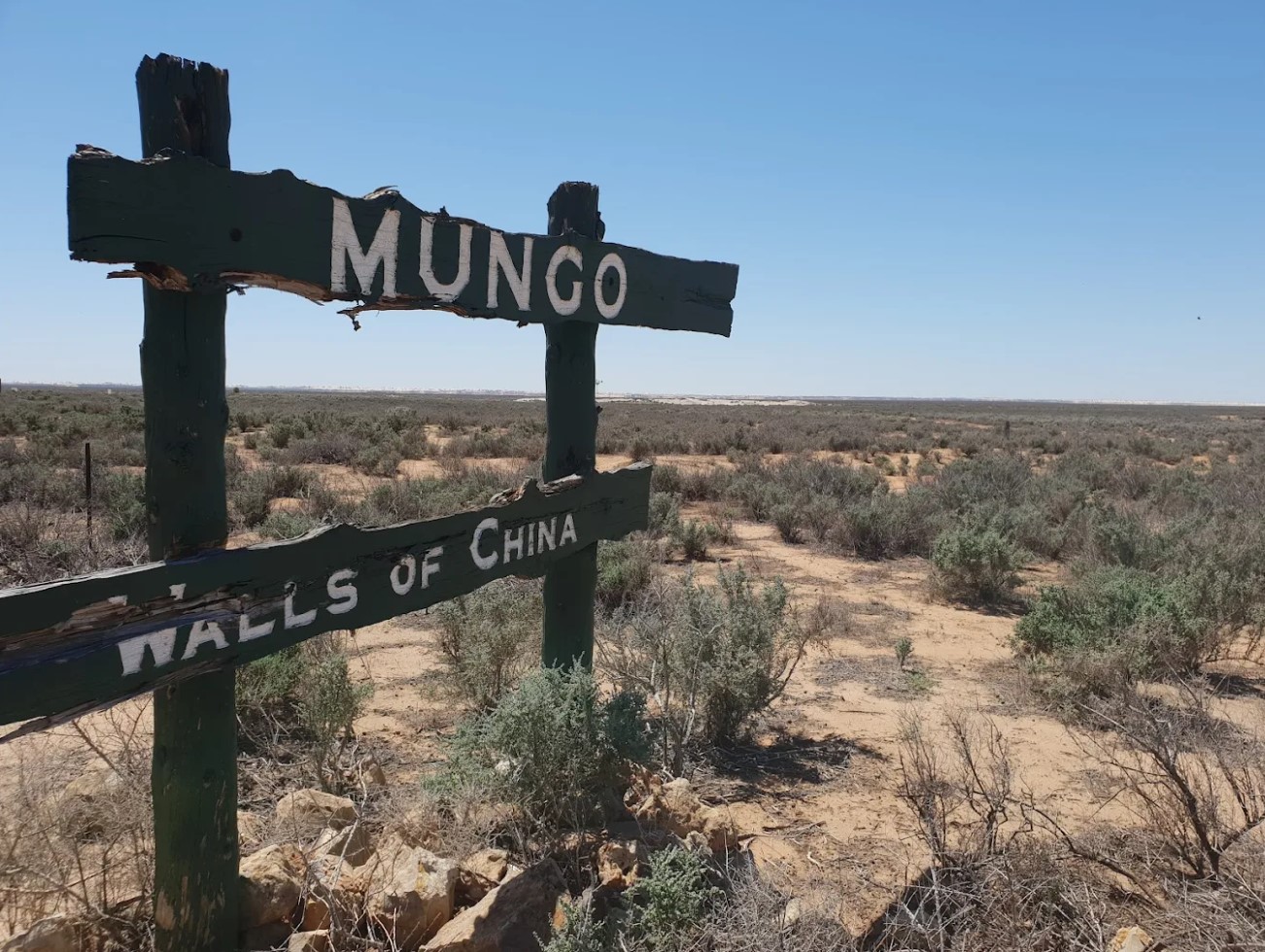
The campground is located near the Mungo Visitors Centre, about 2 km away from the start of the Walls of China Boardwalk, one of the park’s most famous features.
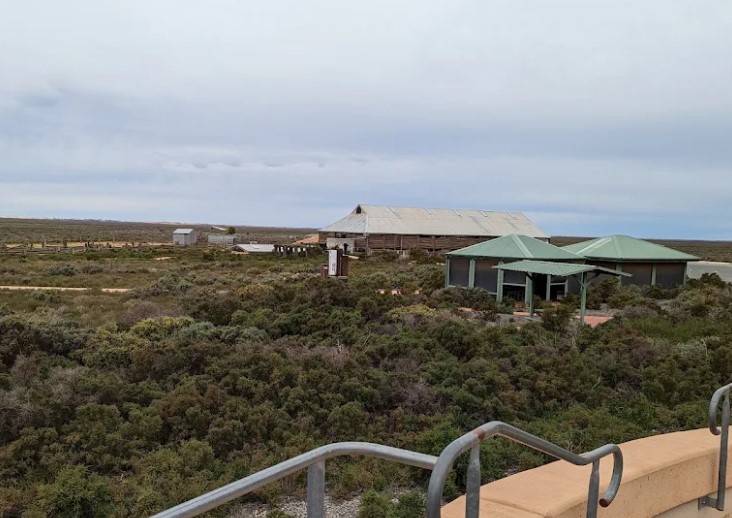
The Campground Experience
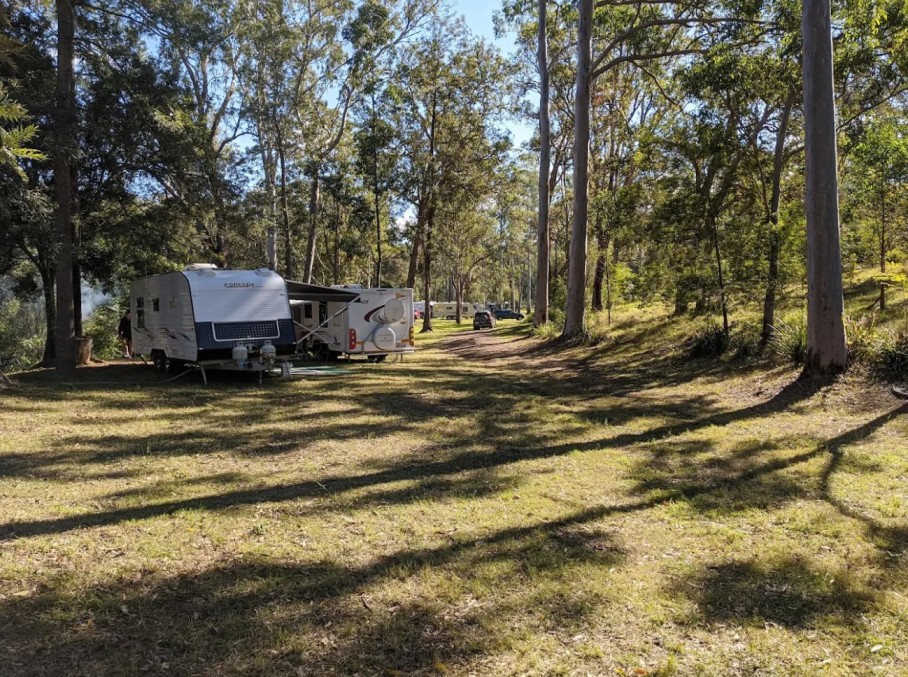
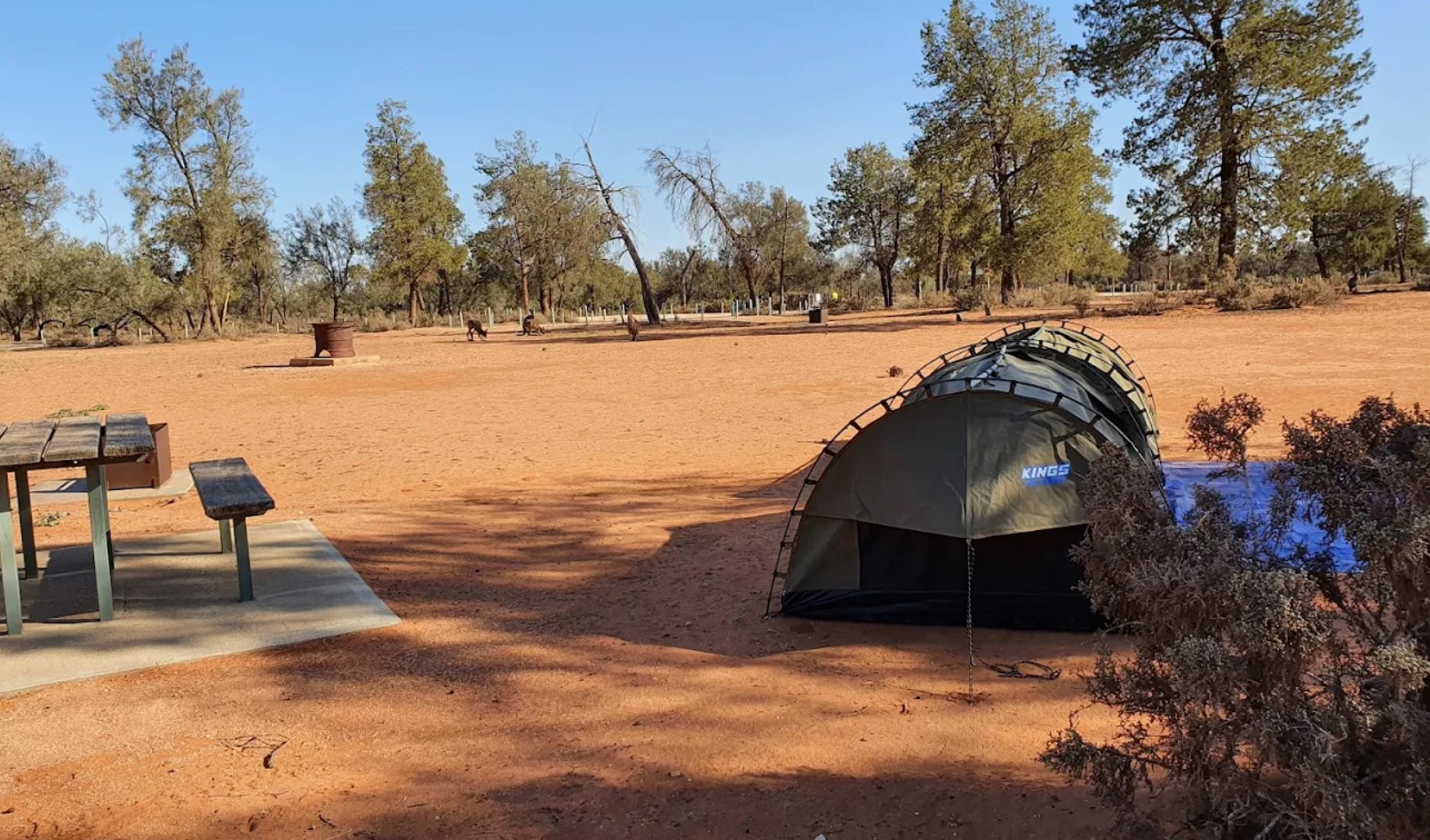
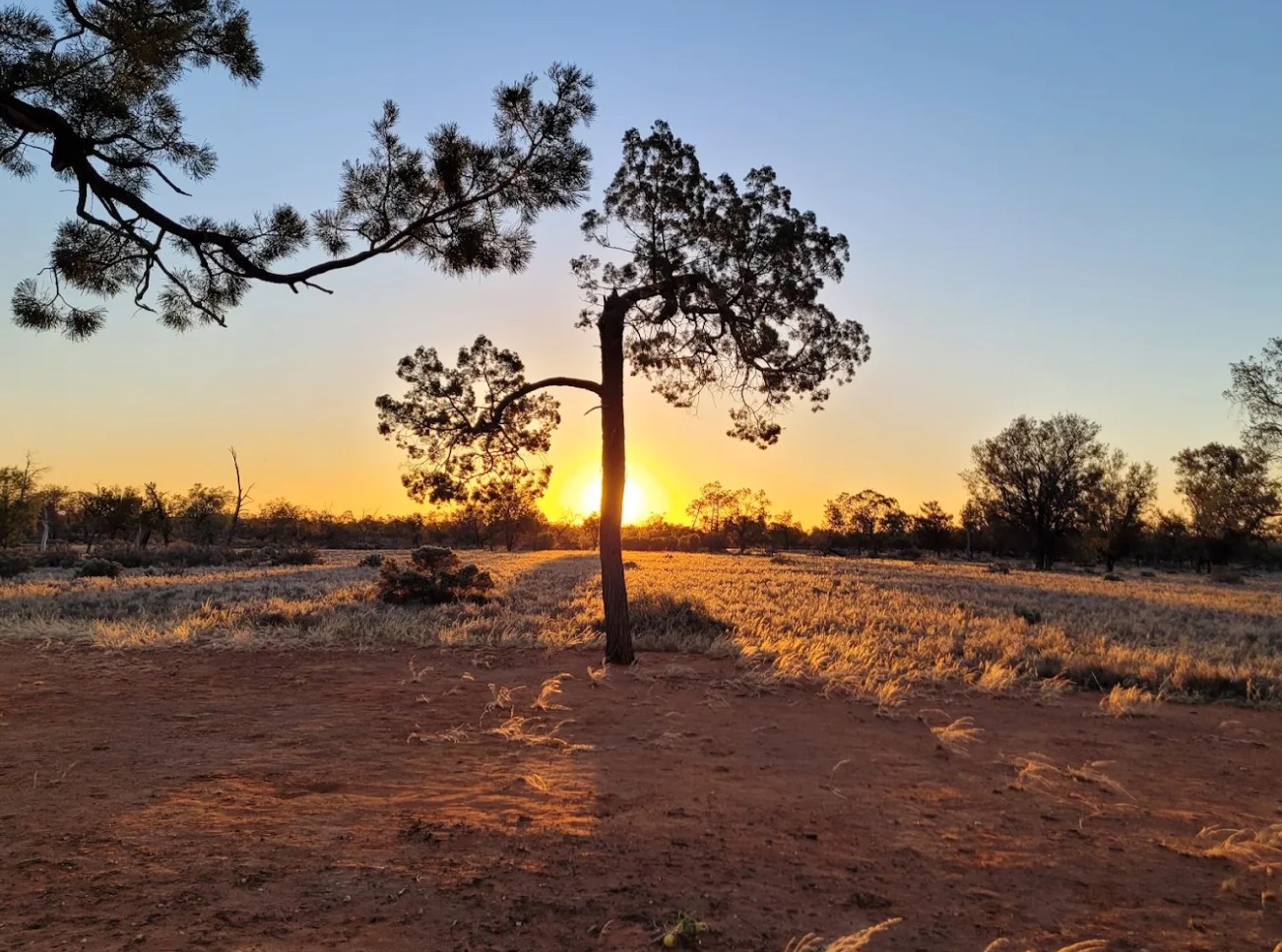
Arriving at Mungo NP Main Campground, I was struck by the vastness. With 33 roomy sites spread across a dusty plain, it felt open yet intimate. I picked a spot near the edge, where the sunset over the Walls of China turned the sky golden. We even saw kangaroos grazing nearby, adding to the wild feel.
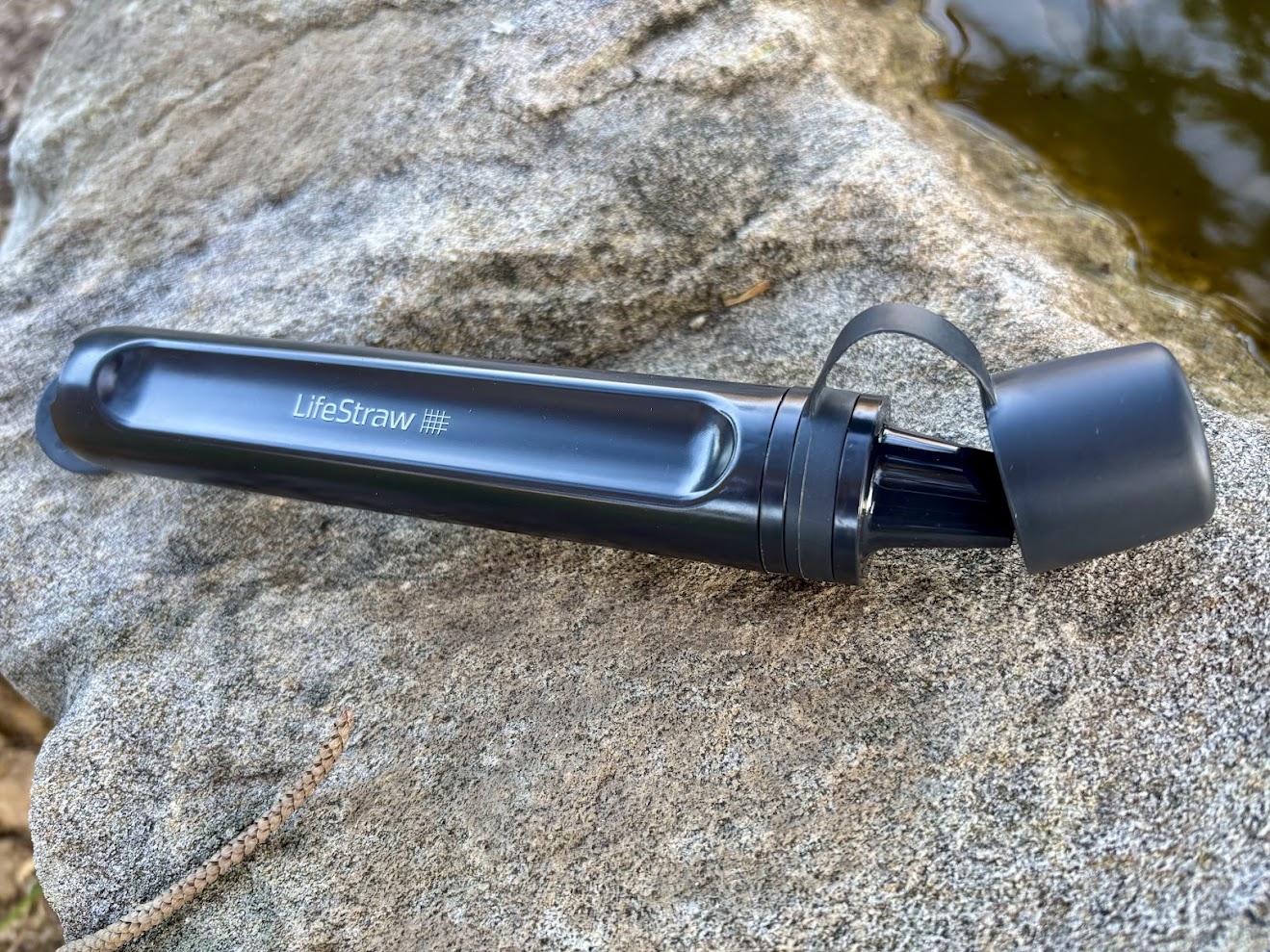
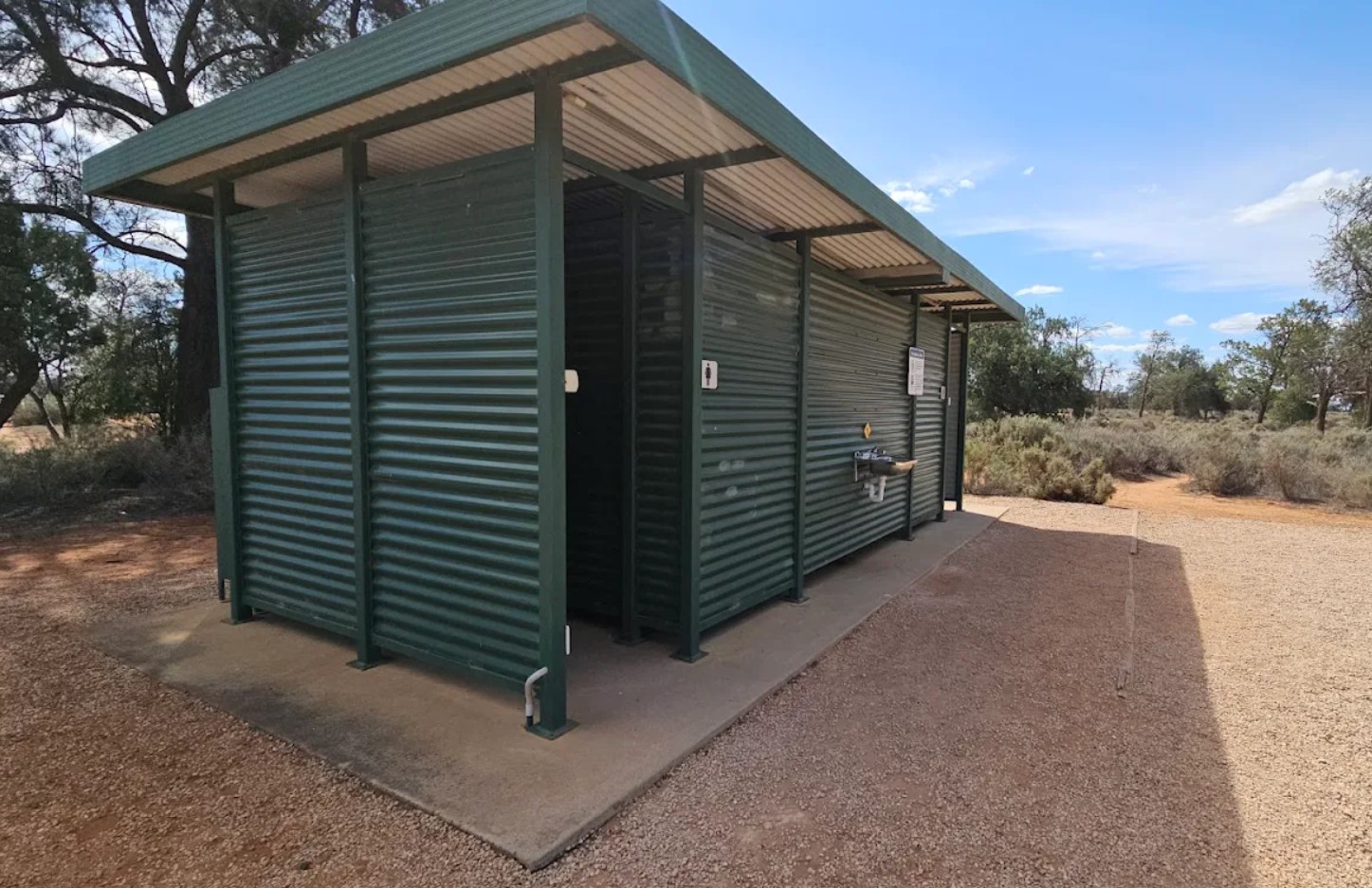
The atmosphere was peaceful, with only the sound of the wind and distant bird calls. The pit toilets were basic but clean, though there’s no water, so I relied on my 12L water container. Nights were cold, and the lack of light pollution made the Milky Way pop – one of the best stargazing sessions I’ve had. It’s a no-frills setup, but the history and views made it unforgettable.
Activities and Surroundings
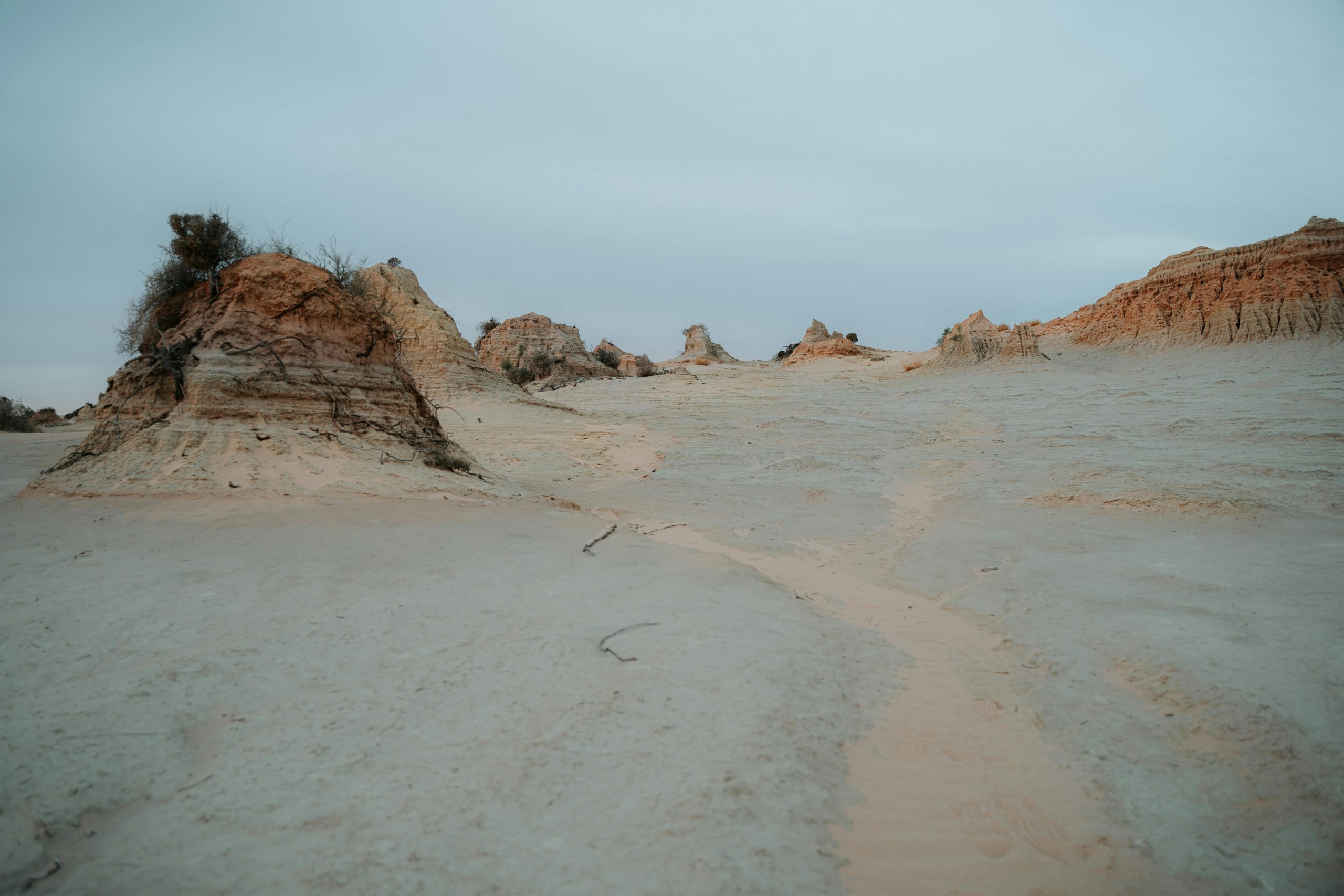
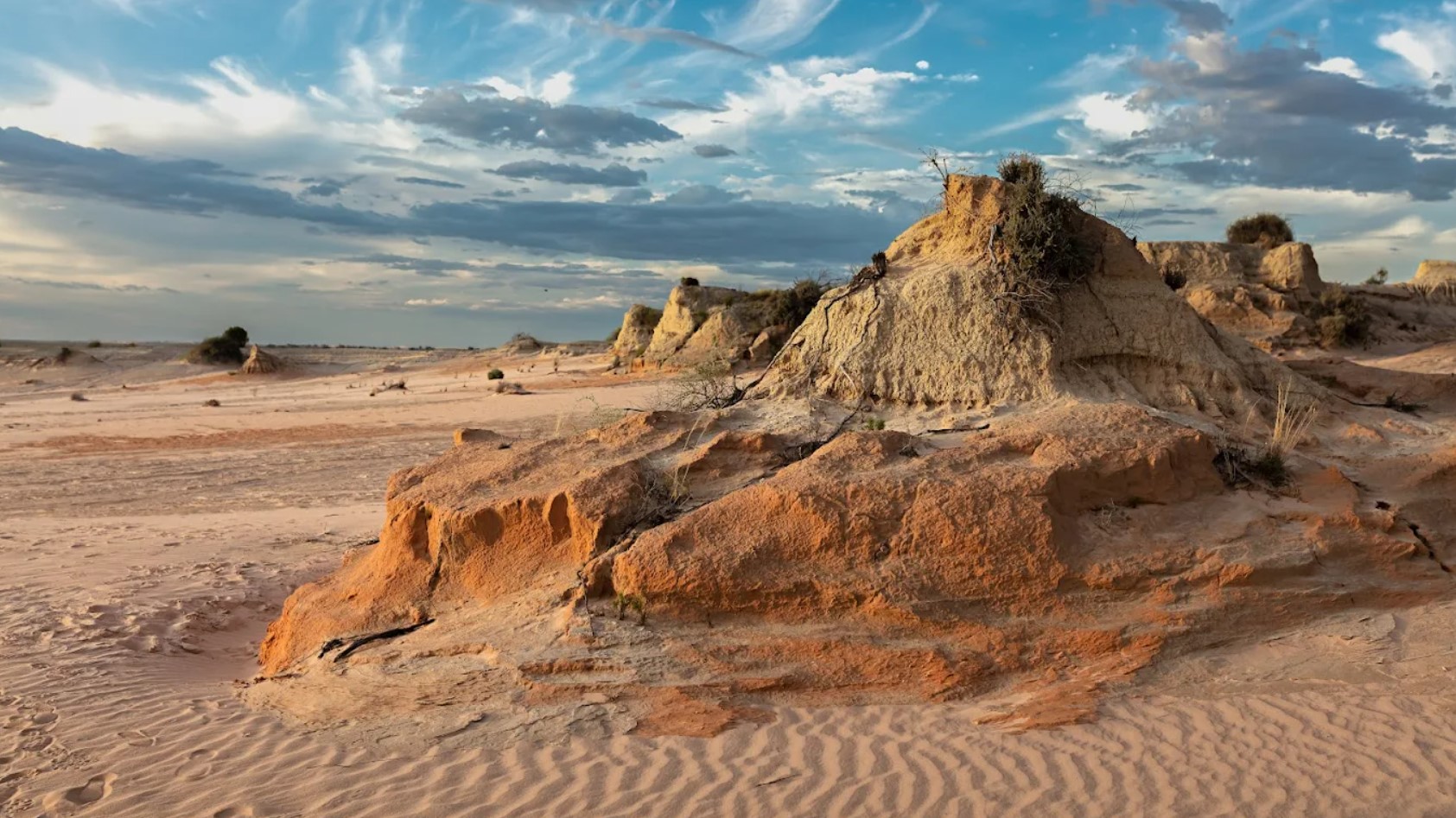
Mungo NP Main Campground is a launchpad for exploring this ancient landscape. I joined a guided tour to the Walls of China, where erosion has sculpted incredible sand and clay formations. The ranger’s stories about Mungo Lady and Mungo Man brought the 42,000-year-old history to life, and my kids loved the walk. The Mungo Lookout, a short stroll from camp, offered a perfect sunset spot.
Birdwatching was a treat, with cockatoos and emus around, and I brought binoculars to spot them. The Grasslands Nature Trail nearby was a gentle hike, ideal for stretching our legs. Photography was a must with the surreal dunes, and the stargazing at night was a bonus. It’s a place that rewards curiosity and a slow pace.
- Walls of China Boardwalk: A short drive or 20-minute walk from camp takes you to the most iconic landscape in the park. The Walls of China is a ridge of crescent-shaped dunes, carved by wind over millennia. You can walk the boardwalk solo, or book a guided Aboriginal cultural tour through NPWS.
- Loop Drive: The 70 km Mungo self-guided drive takes you through dunes, dry lakebeds, and ancient archaeological sites. It’s 2WD-accessible in dry weather and a highlight of any trip to the region.
- Stargazing: There’s zero light pollution out here, and on a clear night, the Milky Way stretches from horizon to horizon. It’s one of the best night skies we’ve ever seen in NSW.
Practical Tips when camping at Mungo NP Main Campground
Mungo NP Main Campground keeps it minimal. The pit toilets were adequate, a short walk from most sites, but there’s no water or bins, so I packed my own supply and took all rubbish out. Picnic tables and fire pits were welcome, and I enjoyed a fire with firewood I brought, as collecting is banned to protect the fragile environment.
Self-sufficiency is essential here. I carried extra fuel, a portable stove, and a first-aid kit for the remote location. The sites are mostly flat, though the sandy ground required some care with tent pegs. No pets are allowed, preserving the natural state, and wheelchair access is limited to the visitor center area due to the uneven terrain.
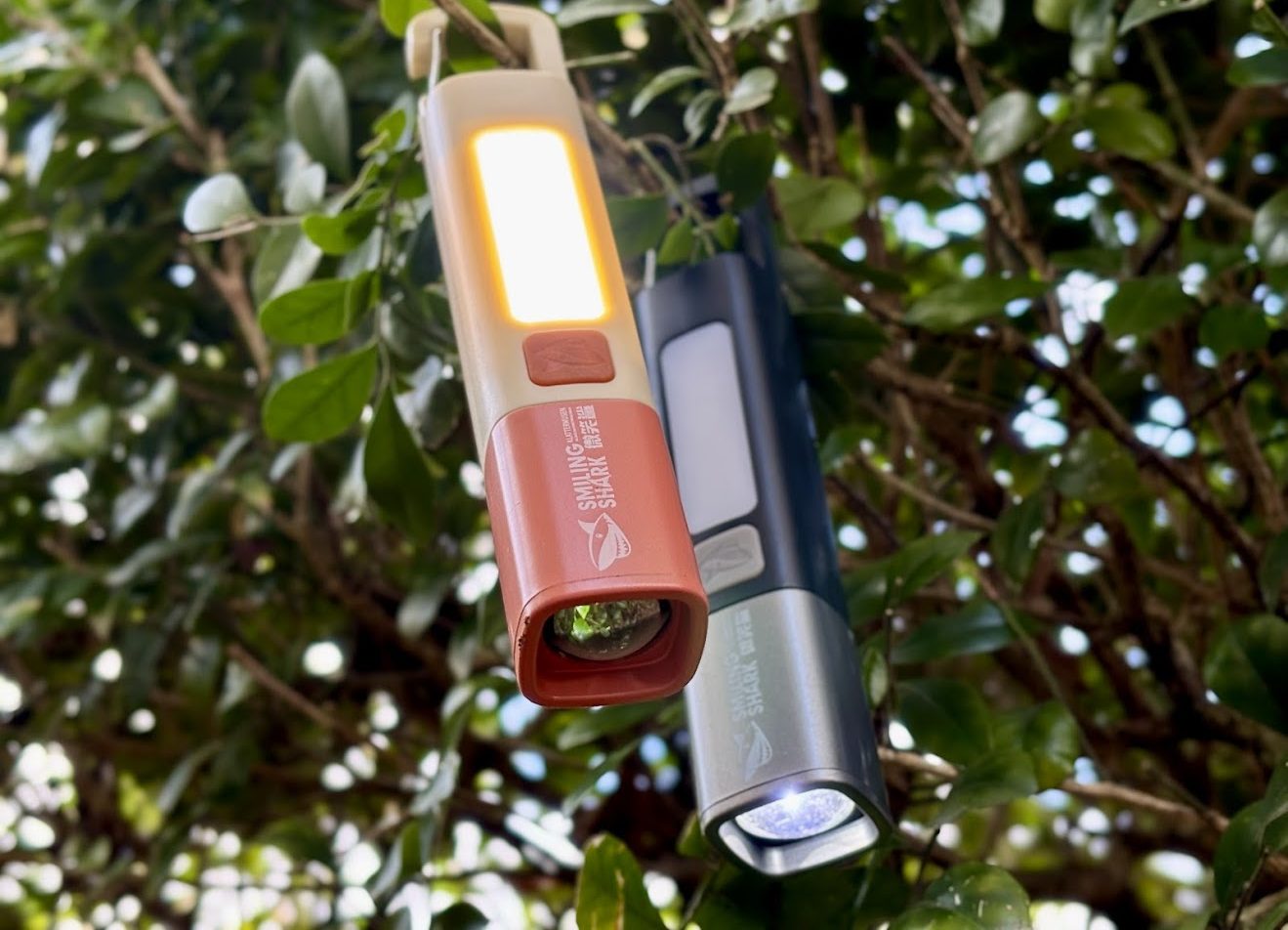
Check the weather before heading out – wet roads can close access. Book via the NSW National Parks app if planning ahead, though it’s first-come, first-served. Bring ample water (10L per person per day) and firewood, plus a hat and sunscreen for the sun. A headlamp is great for night walks, and sturdy shoes are a must for trails. The guided tours are worth it – book at the visitor center!
- Access: Dry-weather only. Arumpo Road is unsealed and impassable after rain
- Facilities: Pit toilets, picnic tables, wood barbecues (BYO firewood), no water, no bins
- Campfires: Allowed in barbecues unless a total fire ban is in place
- Bookings: Required via NPWS. Cost is approx. $25 per night
- Phone Signal: None. No coverage in or around the park
- Climate: Hot in summer (often 40°C+), cold at night. Spring/autumn are best
How to book Mungo NP Main Campground
To book a site at Mungo NP Main Campground, simply visit the NSW National Parks website and select your preferred dates. There are 33 unpowered sites available, and bookings are essential—especially during peak season or long weekends. The cost is around $12 per night, and you’ll need to pay online in advance.
Once confirmed, keep a digital or printed copy of your booking handy, as rangers may check for it during your stay. There’s no formal check-in—just arrive, set up, and soak in the outback silence.
Conclusion: Is Mungo NP Main Campground Worth It?
Mungo NP Main Campground is a one-of-a-kind camping experience. It’s not luxurious, and it’s certainly not easy—but it’s absolutely worth it. The quiet is profound, the landscape unforgettable, and the connection to Country deeply moving. If you’re self-reliant and happy to be offline for a few days, Mungo will leave an imprint you won’t forget. Just don’t underestimate how remote it is—plan well, pack heavy, and respect the land.
What makes Mungo NP Main Campground special is its connection to ancient history and the outback’s stark beauty. The $8 entry fee is a steal for the experience, and the proximity to the Walls of China is a draw. I loved how it felt like stepping into a different era, with my kids marveling at the landscapes. It’s not luxurious – you need preparation and a vehicle suited to unsealed roads – but for history buffs and nature lovers, it’s a must-visit.
- My Thoughts: Mungo NP Main Campground delivers a raw and unforgettable outback camping experience. Surrounded by the ancient landscapes of the Willandra Lakes region, this is a place to disconnect and explore one of Australia’s most unique desert ecosystems. The campground is simple and remote—pit toilets and barbecue areas only. Bring all your own water, food, and gear. Best for self-sufficient campers wanting a true off-grid experience in an extraordinary location.
- Address: Mungo Main Campground, Mungo National Park, NSW, Australia
- Facilities: Pit toilets, barbecue areas, picnic tables, unsealed road access, 2WD access in dry, no water, no bins, no power, paid campground
- Overall Rated: 7.3
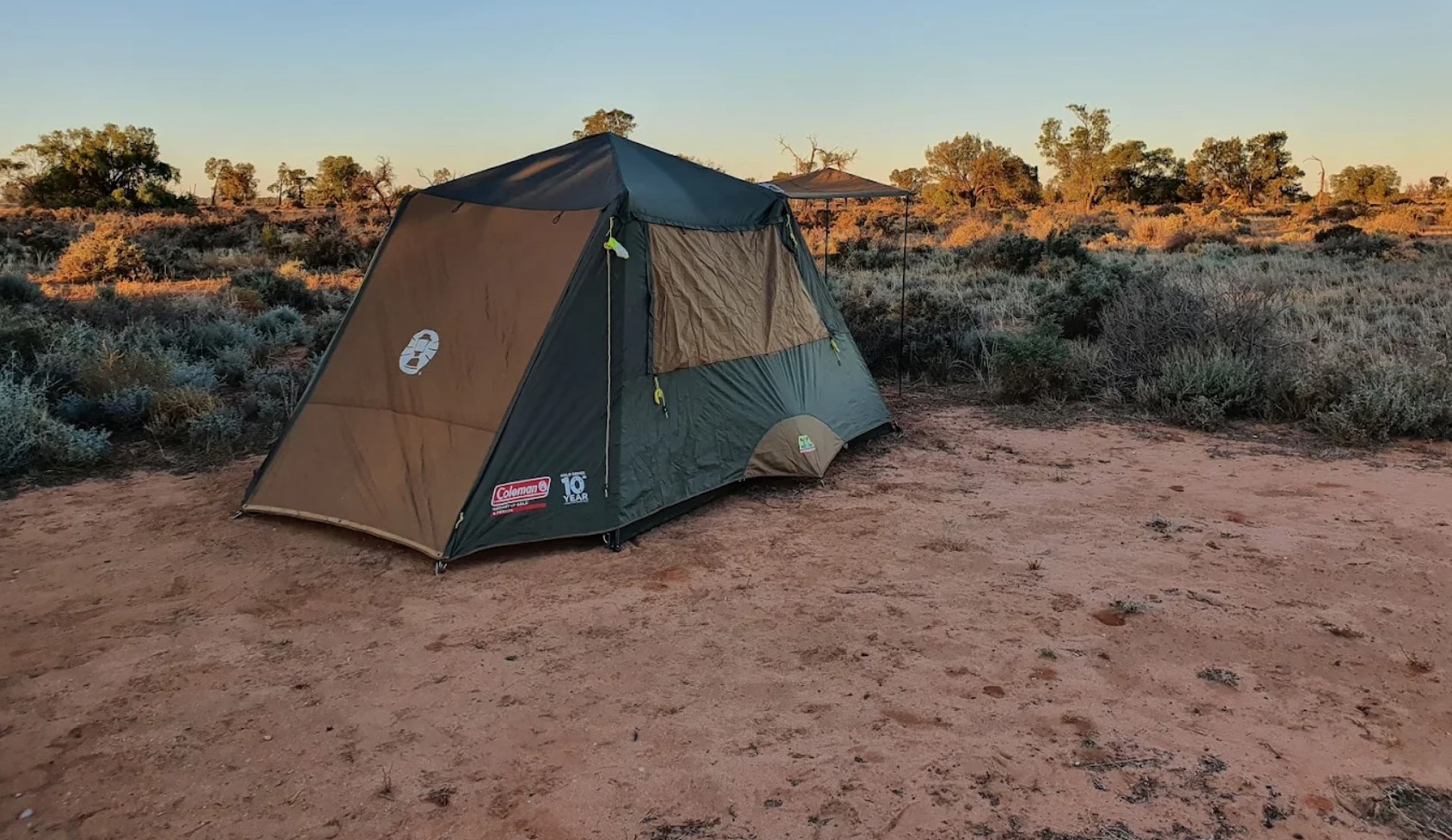
Recommended Gear for Mungo NP Main Campground
For a dry desert camp like this, self-sufficiency is key. Check out our 12L Water Container review, Awning reviews, and the AstroAI Tyre Inflator review is another must-have for outback setups.