
Every good outdoor chef relies on their camp stove to deliver a hot meal after a long day. But have you ever noticed that sometimes your stove flame splutters, especially when the temperature drops? The cause is often not your stove. It is the type of gas you are using. The world of camping fuel is primarily split between two similar gases: propane and butane.
The good
- Do use propane in temperatures below 0°C
- Do check canister labels for gas type
- Do use butane for lightweight summer trips
- Do warm butane canisters in the cold
- Do use proper high pressure regulators for propane
The not-so-good
- Don't mix gas connectors or appliances
- Don't store cylinders in direct sun/heat
- Don't try to refill disposable canisters
Our picks
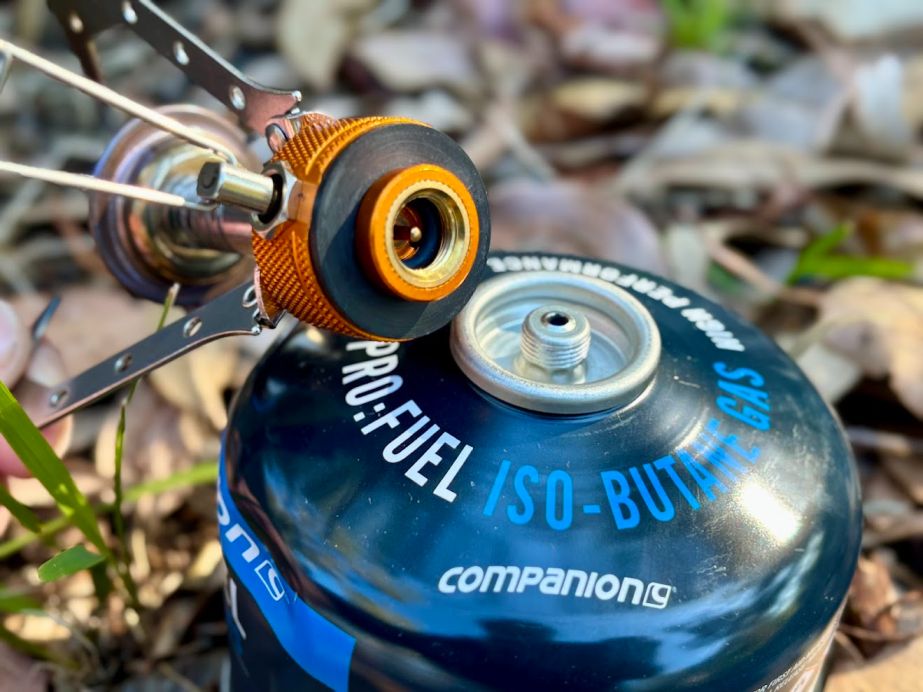

While both gases belong to the LPG (liquefied petroleum gas) family, they have distinctly different properties. These differences have a huge impact on performance, especially in different climates. Furthermore, they determine how they are stored. Learning the key difference between propane and butane is essential knowledge. It ensures you select the right fuel for your trip, guaranteeing a strong flame when you need it most.
what is the difference between propane and butane gas
Both propane and butane are hydrocarbon gases that are easily compressed into a liquid form. This allows them to be stored in small, portable canisters. They are both highly efficient and clean burning. The main difference between them lies in their boiling point. This is the temperature at which the liquid gas turns back into a usable gas vapour.
Propane has a very low boiling point, around -42°C. This means it turns into gas easily, even in extremely cold conditions. This low boiling point requires it to be stored at a higher pressure in heavy duty, thick walled steel cylinders, like the common 9 kg barbecue bottle.
Butane has a much higher boiling point, just below freezing, around 0°C. Below 0°C, butane remains a liquid and cannot vaporize to feed your stove. Because it requires less pressure, it is usually found in lighter, thinner walled disposable canisters.
When to choose butane vs propane
Choosing the right gas comes down to where and when you plan to camp. If you are heading into the mountains, or camping during winter where nighttime temperatures dip below 0°C, Propane is the only viable option. The lower boiling point guarantees a continuous, strong flame even in freezing conditions. Propane is perfect for large Camp Kitchen setups or extended touring trips where a 9 kg bottle is manageable.
However, if you are camping in summer or warmer coastal areas where temperatures consistently remain above 10°C, Butane is a highly effective and affordable choice. Butane contains slightly more energy per volume than propane. This makes it marginally more efficient, and the lightweight canisters are much easier to carry for short trips or lightweight hiking. Many popular portable stoves only accept the small butane cartridges. The best multi-purpose fuel is often an iso-butane or propane/butane mix. This blend offers better cold weather performance than pure butane.
| Feature | Propane | Butane |
|---|---|---|
| Boiling Point | -42°C | 0°C |
| Cold Weather Performance | Excellent (Works in extreme cold) | Poor (Stops working below 0°C) |
| Storage Pressure | High (Requires heavy steel bottle) | Low (Uses light disposable canisters) |
| Energy Density | Lower per volume | Higher per volume (More efficient) |
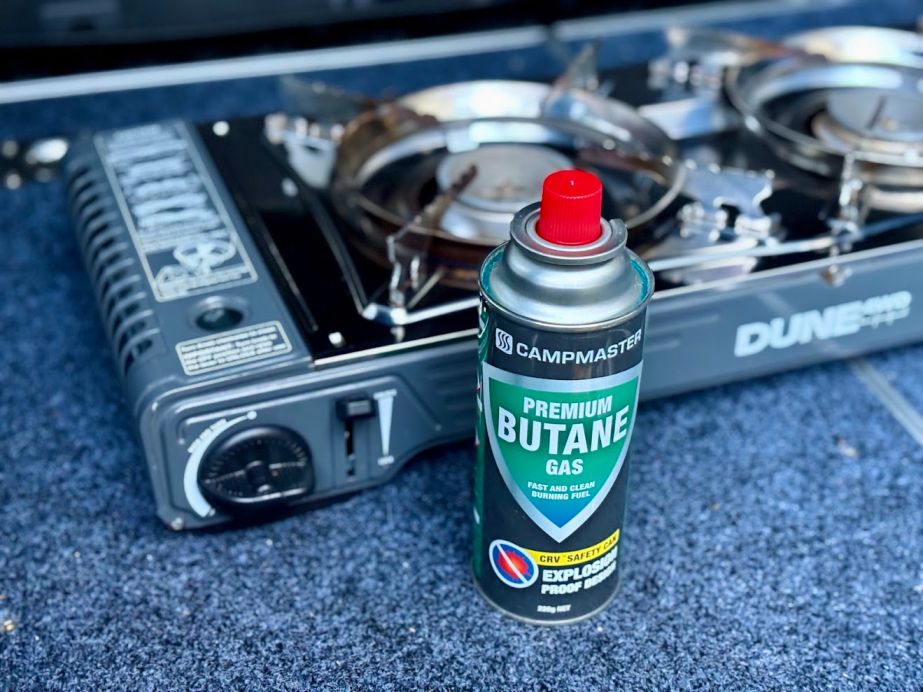
propane vs butane: What to keep in mind
Safety and compatibility are the biggest factors to keep in mind when dealing with either gas.
Propane is stored under higher pressure. Therefore, you must use regulators designed specifically for propane cylinders. Never try to force a propane fitting onto a butane appliance, or vice versa. The connectors are intentionally different to prevent dangerous mistakes.
Butane canisters are lighter, which is a benefit, but they are also more sensitive to temperature. If you find your butane stove struggling in the cold, a quick trick is to gently warm the canister. Place it near your body or inside your jacket for a few minutes before lighting the stove. This raises the internal temperature enough to vaporize the liquid. Remember to always use the correct appliance for the specific gas. Furthermore, always store cylinders securely. They must be kept upright and away from any heat source or direct sunlight to prevent dangerous pressure build up.
Summary (butane versus propane)
The key difference between propane and butane boils down to their performance in cold weather. Propane is the clear winner for freezing temperatures because its boiling point is a very low -42°C. This ensures it stays usable even in winter. Butane, on the other hand, stops working once temperatures drop below its 0°C boiling point. This makes it best suited for warmer weather camping and lightweight disposable canisters.
When choosing your fuel, match the gas type to your expected environment. Use heavy, high pressure propane bottles for cold weather and long trips. Use the lighter, more budget-friendly butane canisters for summer picnics and shorter, warm weather stops. Always handle both gases with caution. Use the correct, certified regulators and store your cylinders upright and out of direct heat. This simple choice ensures your Camp Kitchen runs smoothly on every adventure.
