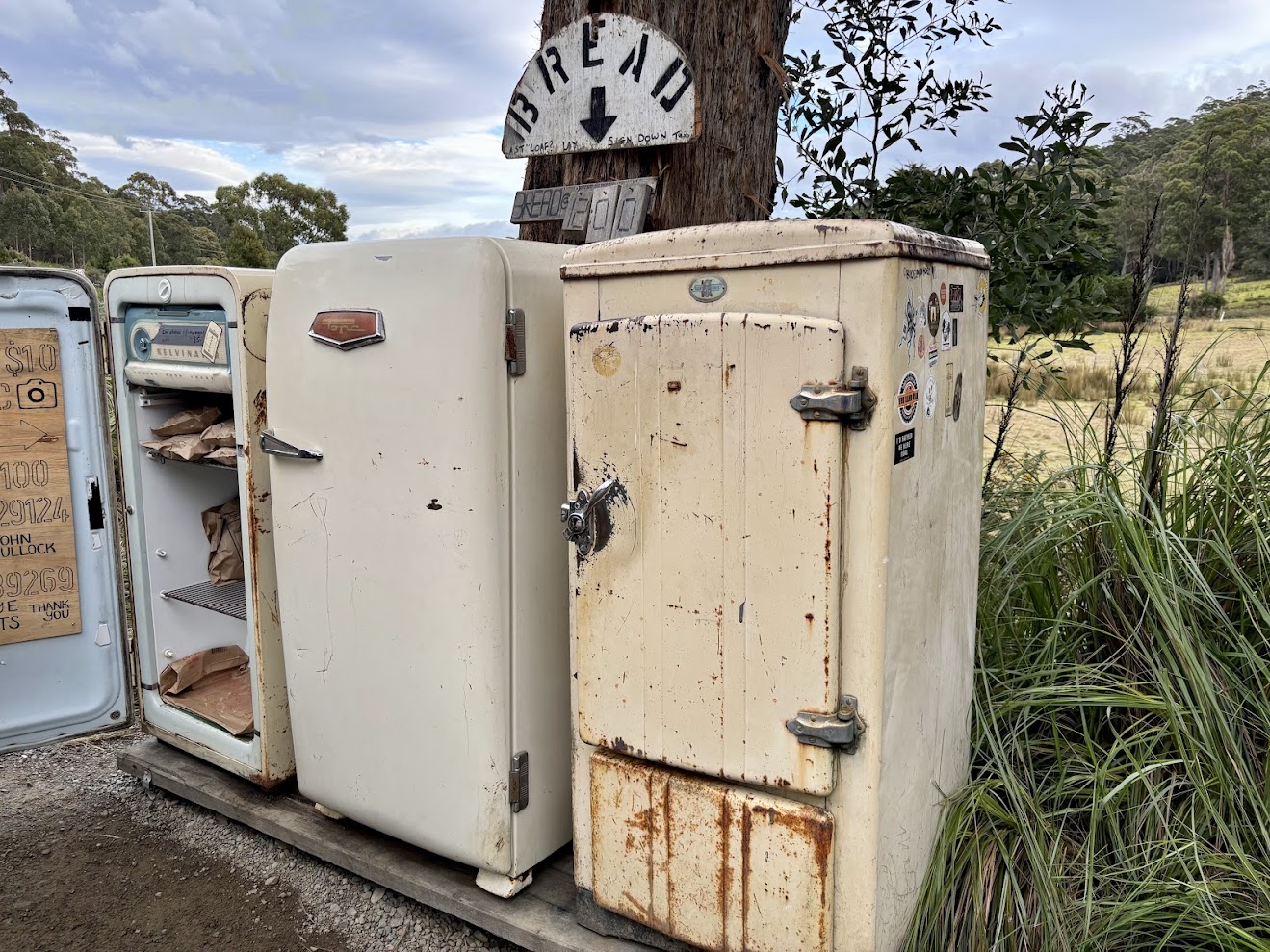
There’s remote camping—and then there’s Capertee Valley National Park camping. Tucked into the western edge of the Blue Mountains, Capertee is one of those rare places that still feels completely wild. Towering escarpments, sprawling valleys, no crowds, no reception—just the kind of rugged beauty that makes your everyday problems feel very far away.
I recently took the Prado out here for a long weekend escape. With a tent packed, our Powerpack topped up, and the Kings Console Fridge stocked, we rolled into Capertee for three nights of Off-Grid Camping, hiking, and stargazing. Here’s everything you need to know if you’re planning your own Capertee Valley mission.
About Capertee Valley National Park
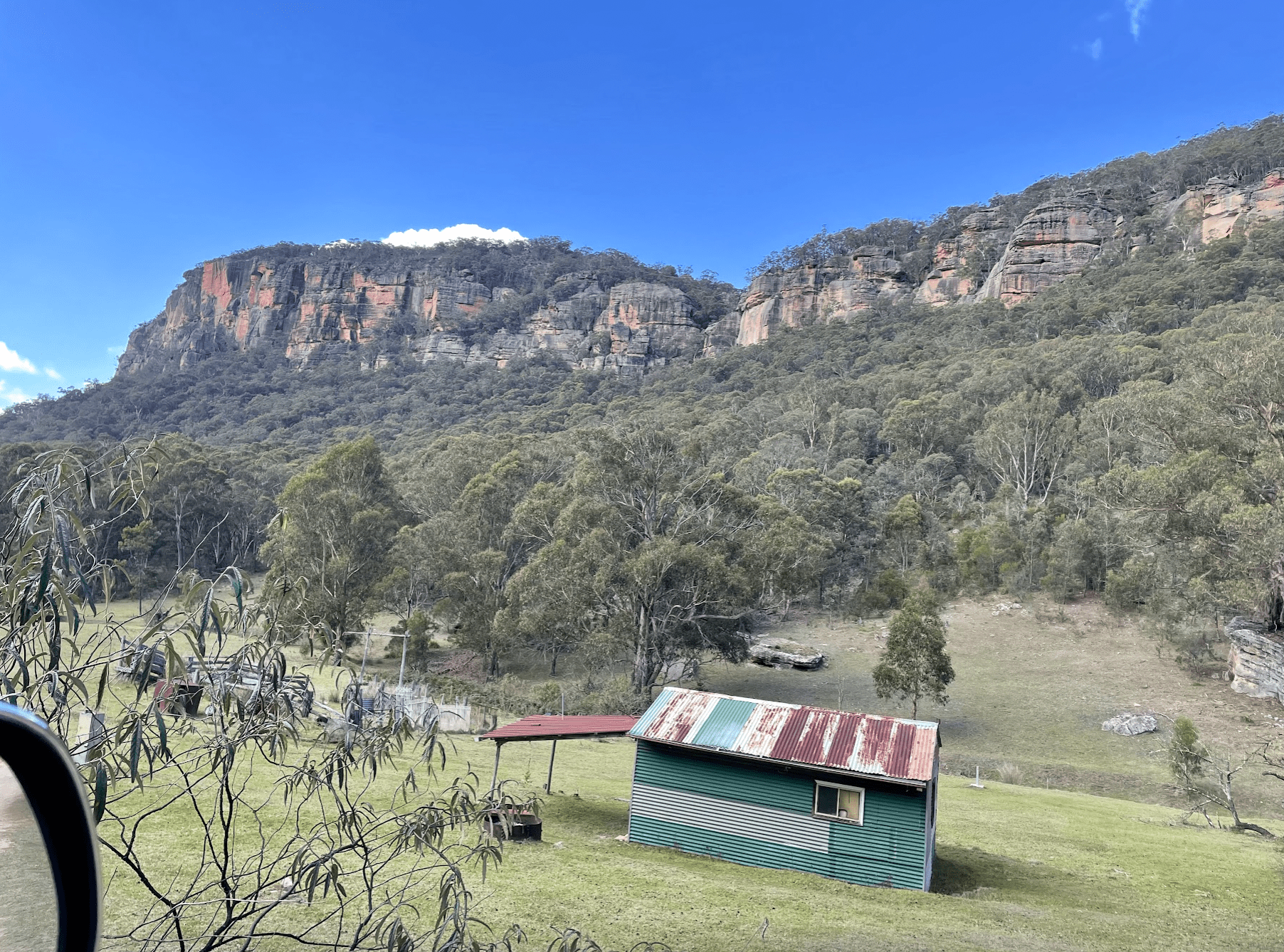
Capertee Valley National Park is a protected area in the Central Tablelands of New South Wales, renowned as one of the world’s largest canyons. Located within the Greater Blue Mountains World Heritage Area, the valley is a spectacular landscape of soaring sandstone cliffs, unique rock formations, and eucalypt woodlands. It is internationally recognized as an Important Bird Area (IBA) and is a prime destination for birdwatchers, home to over 200 species. The park offers breathtaking scenic drives and opportunities for remote bushwalking and camping.
The Good
- Complete solitude
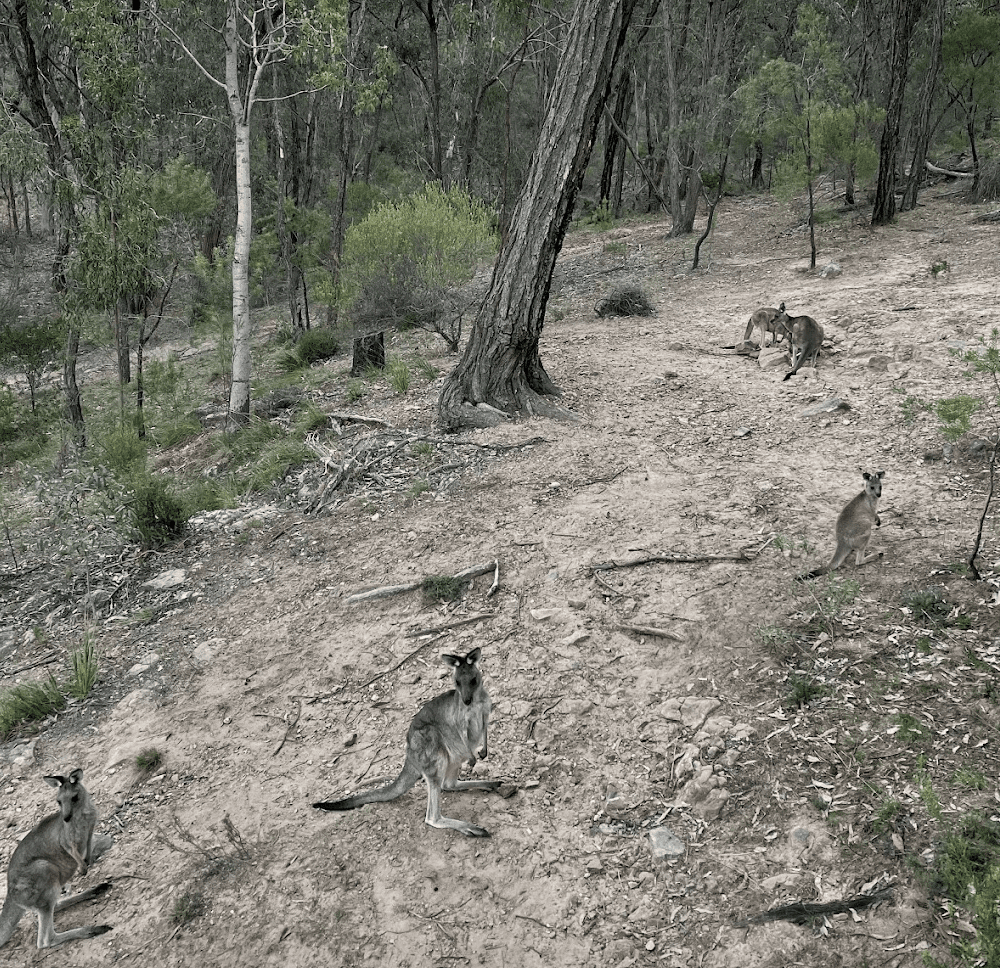
- Wildlife: wombats, kangaroos, eagles, birds
- Feels like the Blue Mountains minus the crowds
- Well-maintained access roads
- Off-grid and tugged but not brutal
- Proper off-grid camping experience (no reception)
The Not-So-Good
- Limited marked walking trails
- Zero phone reception
- Long drive for a short trip (try stay 2+ nights)
| About | Details |
| Location | Central Tablelands, New South Wales, Australia |
| Size | 7,125 hectares (17,606 acres) |
| Geological Feature | One of the world’s widest canyons |
| Elevation | Approximately 808 metres (2,651 ft) at Capertee village |
| Key Attractions | Birdwatching, dramatic sandstone cliffs, bushwalking, scenic drives, photography |
| Activities | Camping, bushwalking, birdwatching, 4WD touring |
| Campgrounds | Capertee Campground, Glen Davis Campground (nearby) |
| Towns Worth Visiting | Lithgow, Mudgee, and the historic village of Glen Davis |
| Applicable Fees | No park entry fee, but camping fees apply for overnight stays |
| Pet-friendly | No, pets are not permitted within the national park |
| Access | Primarily by road; some areas require a 4WD vehicle |
| Best Time to Visit | Autumn and Spring for mild weather and optimal birdwatching |
Getting There and Accessibility
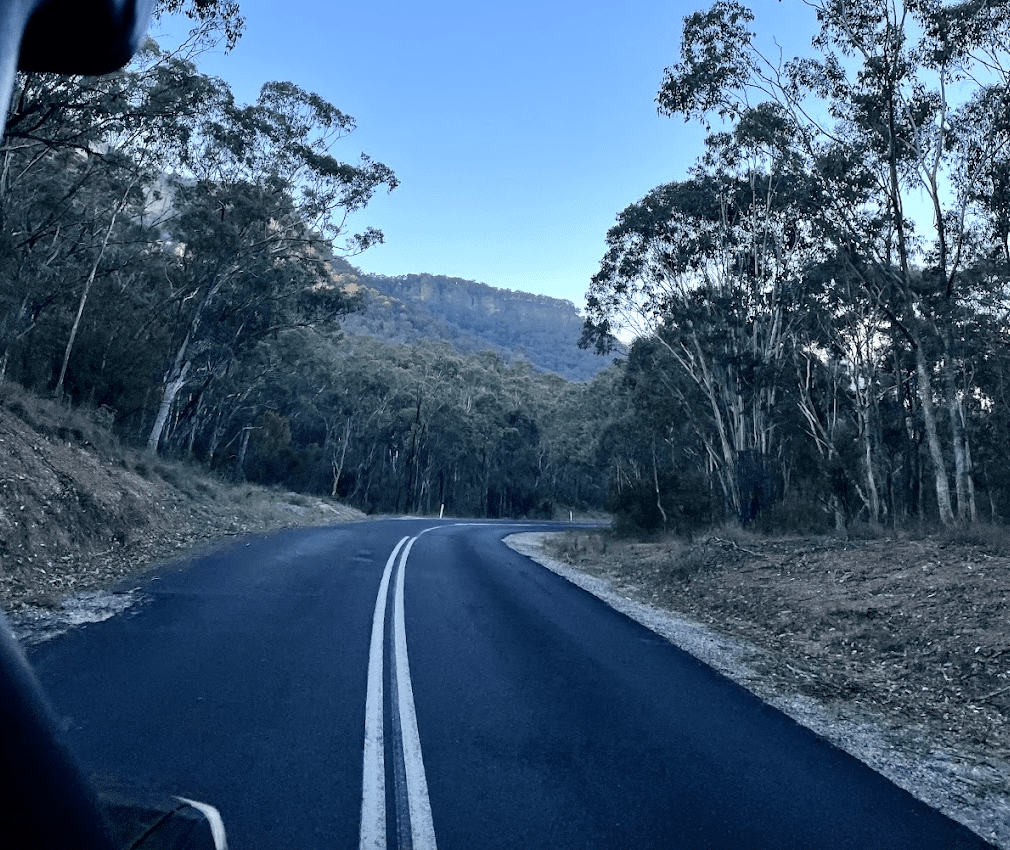
Capertee Valley National Park is located about 3.5 hours northwest of Sydney, depending on traffic and your chosen route. We headed west via the M4 and followed the Great Western Highway through Lithgow before turning off at Capertee township onto Glen Davis Road. After roughly 7 kilometres, we took a right onto Port Macquarie Road, clearly signposted for Capertee National Park.
From there, it’s about another 20 minutes on dirt to reach the park entrance. The unsealed road is generally graded but expect loose gravel, a few ruts, and occasional washouts—nothing overly technical, but you’ll definitely want a proper 4WD with decent clearance.
Where to Camp in Capertee Valley National Park
Capertee Valley National Park camping is about as raw and real as it gets. There are no powered sites, no Camp Kitchens, and no caravan crowds—just wide open space, rugged escarpments, and the kind of silence that resets your brain. Whether you’re tucked in at the historic Homestead campground or pitching a tent under the cliffs of Airly Gap, this is true off-grid camping.
It’s a place for self-sufficient setups, quiet nights by starlight, and mornings filled with birdsong and mist rolling through the valley. If you’ve got the gear and the mindset for it, camping in Capertee Valley is one of the best ways to truly disconnect.
What to do in Capertee Valley National Park
Camping in Capertee Valley might feel remote, but there’s no shortage of ways to fill your days once you settle in. Whether you’re into bushwalking, birdwatching, photography, or just sitting still and soaking in the silence, this park delivers a deep connection to the landscape. With vast open skies, towering cliffs, and valleys that stretch for miles, it’s the kind of place where even doing nothing feels like time well spent. Here are a few ways we made the most of our stay.
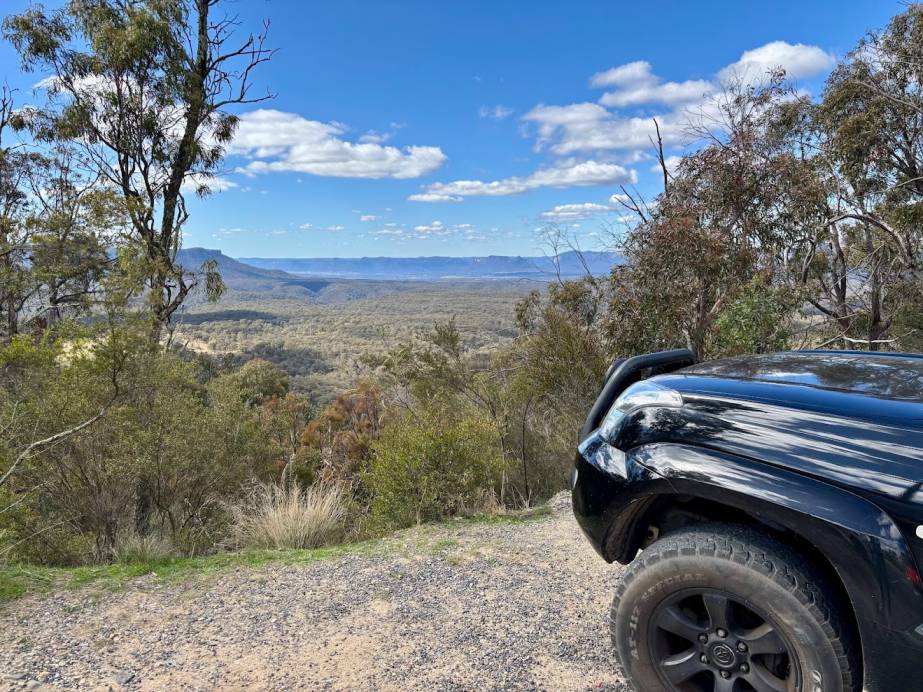
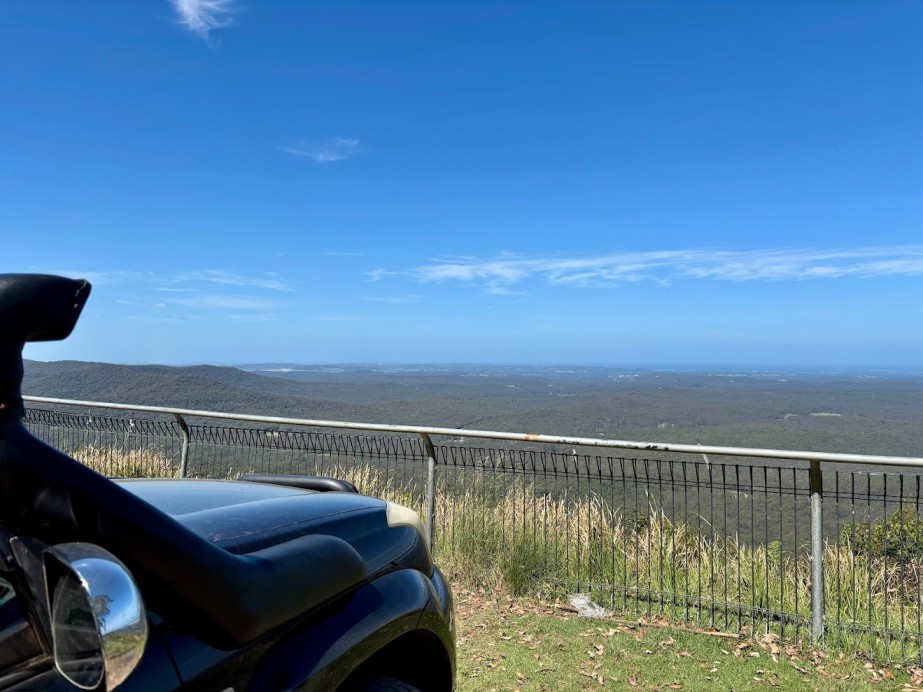
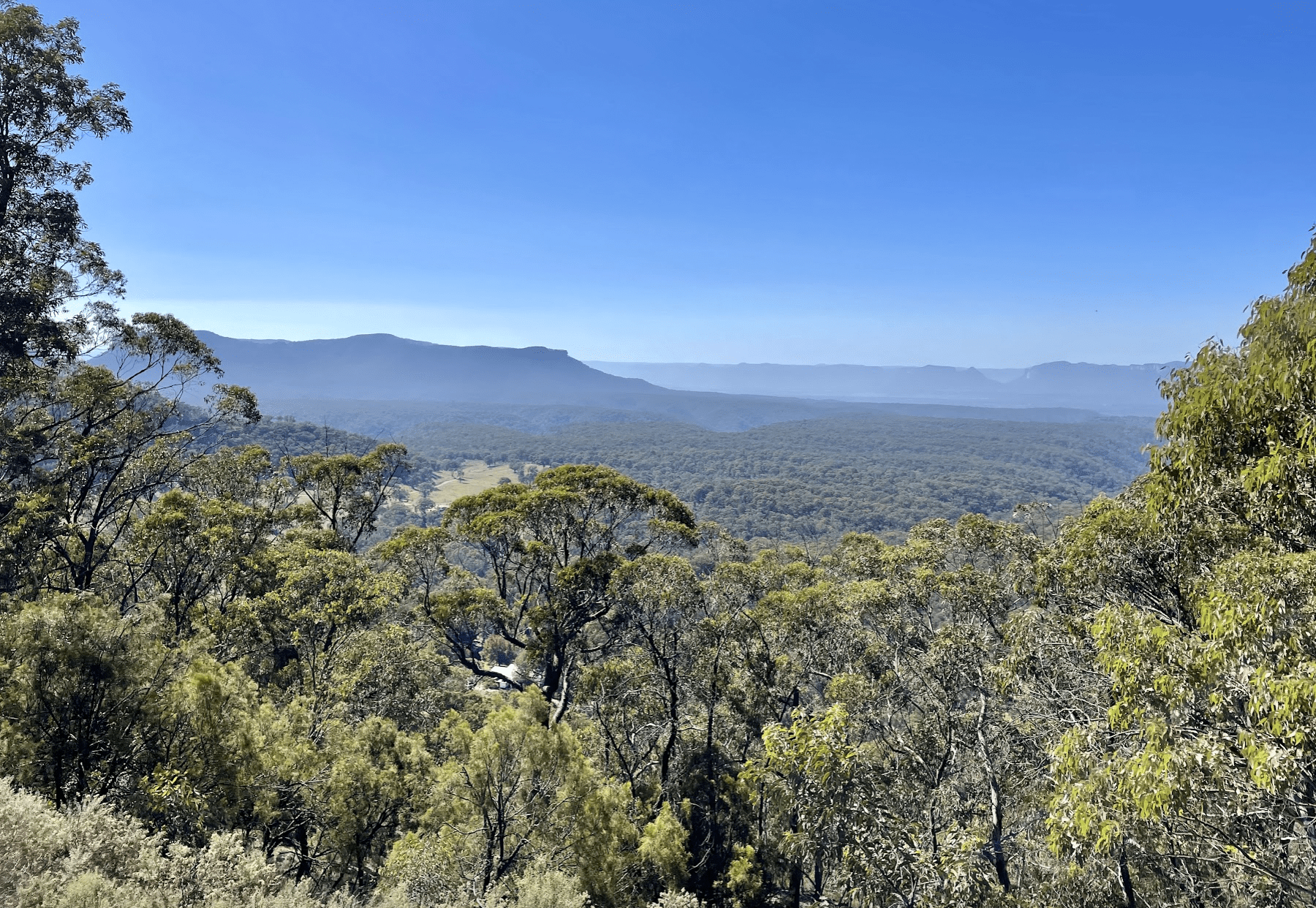
Capertee Valley Lookout – This is the park’s signature view—and one of the best I’ve seen in NSW. The Valley Lookout sits on a ridgeline just past the campground and overlooks a yawning chasm of cliffs, gums, and golden grassland. If you’re into photography, it’s golden hour heaven. You can drive close (track depending), then it’s a short walk to the edge.
Hike the Historic Port Macquarie Stock Route – There are several old stock routes and bridle trails running through the park, and while they’re not formally marked, they’re passable with a good offline map. This particular track snakes down into the valley through bushland and scattered ruins.
Go Birdwatching – The Capertee Valley is one of the most important bird habitats in Australia—home to over 240 species, including the endangered regent honeyeater. We brought a set of compact Binoculars and were blown away. Cockatoos, crimson rosellas, and lyrebirds were everywhere. If birding’s your thing, this place is top-tier.
Stargazing – With no phone signal, light pollution, or nearby towns, the night skies here are phenomenal. We lay back in camp chairs next to the rooftop tent and watched satellites, shooting stars, and the full sweep of the Milky Way. Bring a tripod if you’re into night photography.
Practical Tips before you hit the road
While you won’t need lockers or a winch, the access roads into Capertee Valley camping areas are strictly 4WD only—especially after rain. The drive includes steep switchbacks with erosion, narrow winding ridgelines, and a few mild rock and rut sections that require careful tyre placement. Certain stretches of clay can turn slick quickly in wet conditions, making traction tricky.
That said, it’s all very manageable with decent clearance and all-terrain tyres; our Prado handled it comfortably even with a full camp load. Just keep in mind that road conditions can change fast, NSW National Parks may close access after heavy rain. So always check NSW National Park alerts before your trip.
Pro Tip
A low-lumen Camp Light and a warm sleeping bag go a long way. Temperatures dropped to 5°C in late autumn.
Conclusion: Is Capertee Valley National Park Worth It?
Capertee Valley National Park is one of those places you almost don’t want to tell people about. It’s wild, raw, and stunning. There’s no playground, café, or booking app. Just a gate, a long dirt road, and the kind of camping that reminds you why you bought a 4WD in the first place.
We came home dusty, recharged, and already talking about going back. If you’re kitted out with a rooftop tent, some Off-Grid Power Source, and a reliable rig, this is a must-do destination for any off-grid camper looking for real solitude and serious scenery.
- My Thoughts: This is an absolutely breathtaking natural wonder and a must-visit for anyone seeking peace and stunning scenery. The sheer scale of the valley is immense, with towering sandstone escarpments that feel truly ancient. We spent a full day driving through, stopping at several lookouts for incredible photo opportunities. The birdlife is abundant; we saw so many species, including some we’d never spotted before. The tranquility here is unmatched, offering a perfect escape from the city. The rugged beauty and serene isolation make it a genuinely unforgettable experience.
- Address: Capertee National Park, Central Tablelands, near Lithgow, New South Wales, Australia
- Facilities: Camping, Hiking Trails, Birdwatching, Lookouts, Picnic Areas, Unsealed Roads, Bushwalking
- Overall Rated: 8.7
Recommended Gear for Capertee Valley National Park
Tackling an Off-grid weekend to Capertee National Park calls for gear that suits its remote vibe. A reliable set of recovery gear like the Maxtrax MK2 Recovery Tracks is handy for side tracks. Add some Tyre Tools to deflate and inflate your tyres before heading to the beach.
For camp life, a portable Camping Fridge is great to keep your food and beverages refrigerated, while a Water Container like a 20L tank ensures hydration. A set of bright LED Strip Lighting enhances those starry nights. This gear turns your trip into a cozy, bush retreat for the prepared camper.