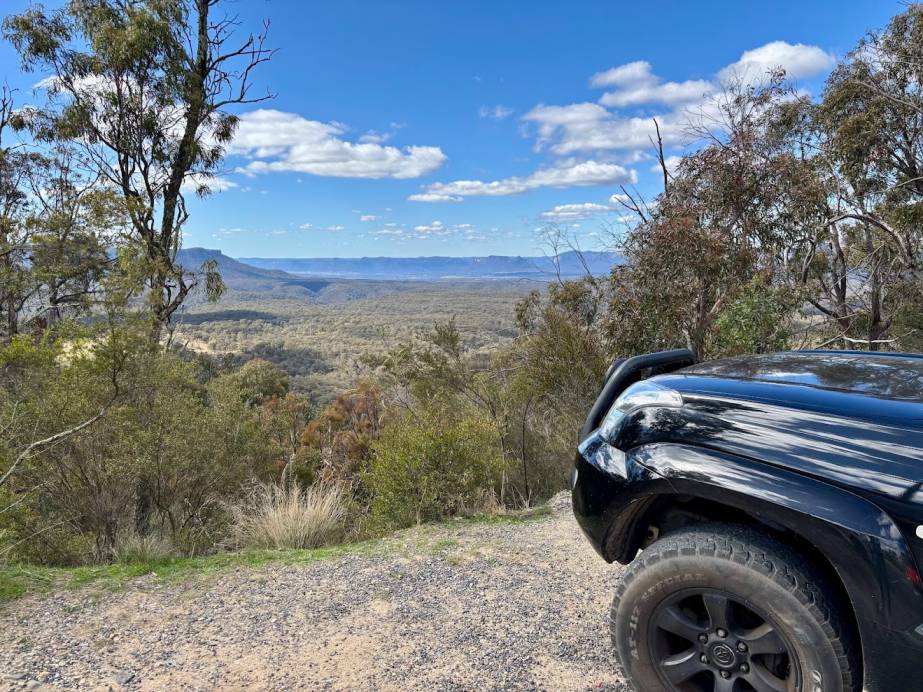
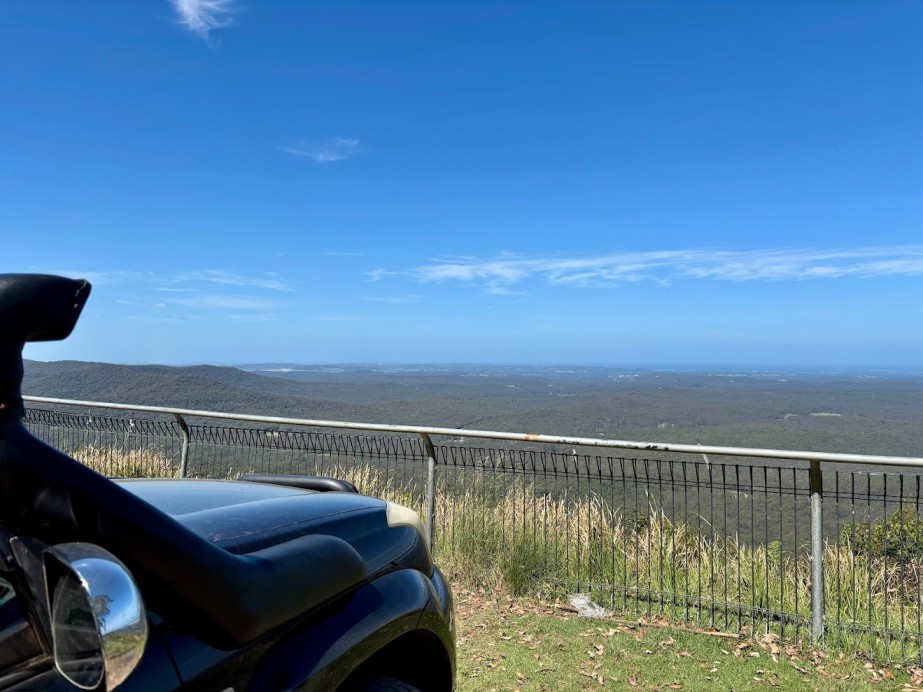
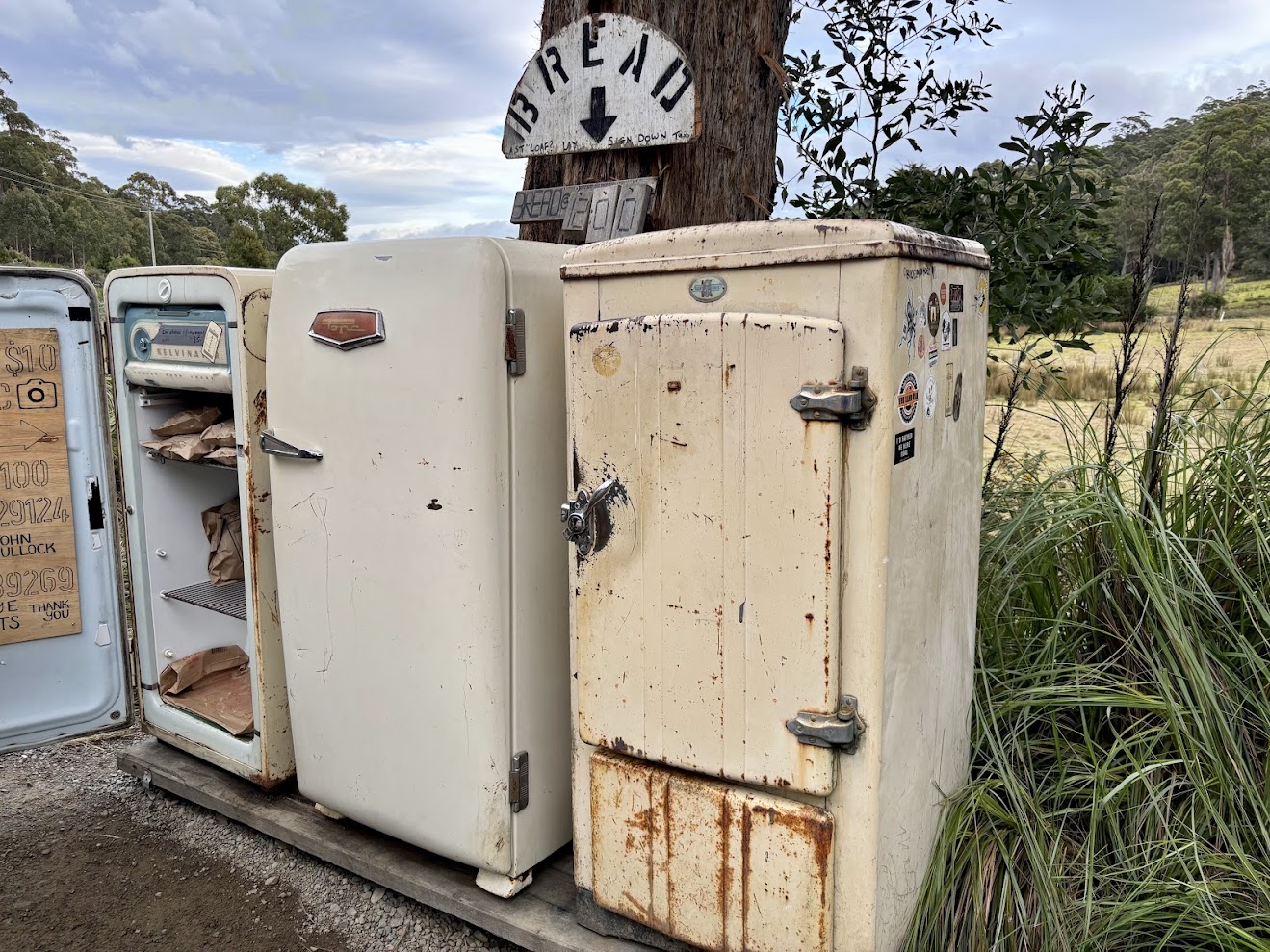
Craving remote camping just a few hours from Sydney? Yengo National Park camping delivers wild bushland, epic ridgelines, and a real sense of solitude. It also doesn’t require a full week off or an upgraded rig to get there. A weekend Off-Grid in Yengo National Park is all about rugged bushland and isolation. Tucked north-west of Sydney, it’s a place where the dirt tracks test your rig and the towering sandstone cliffs create a dramatic backdrop.
We’ve spent nights there with the rooftop tent under a canopy of stars, enjoying the profound quiet. It’s perfect for truly disconnecting, surrounded by vast wilderness and the calls of native birds. Definitely a spot for those who appreciate serious solitude. Don’t forget to bring your Binoculars.
Friday Afternoon – Escape from Sydney
2.5–3 hours / ~160km
Alright, for a proper off-grid Weekend Escape to Yengo National Park, getting a head start on the city exodus is key. If I can possibly arrange it, I’m aiming to have the Prado packed and pointed north around 3 PM on Friday. Leaving from Sydney’s northern suburbs, the initial push involves navigating some suburban traffic. Once you merge onto the M1, the drive starts to feel like hitting a ‘reset’ button. Cruise along for a while, then the real journey begins as you turn inland towards the Hunter region. This is where the landscape gradually transforms from developed areas into more rugged bushland.
As you venture further, the air freshens, and that ever-present mobile phone reception begins to dwindle, eventually disappearing entirely. It’s a noticeable feeling – as the signal bars drop, you can almost feel your shoulders relax, shedding the week’s stress.
Make a stop in Wollombi
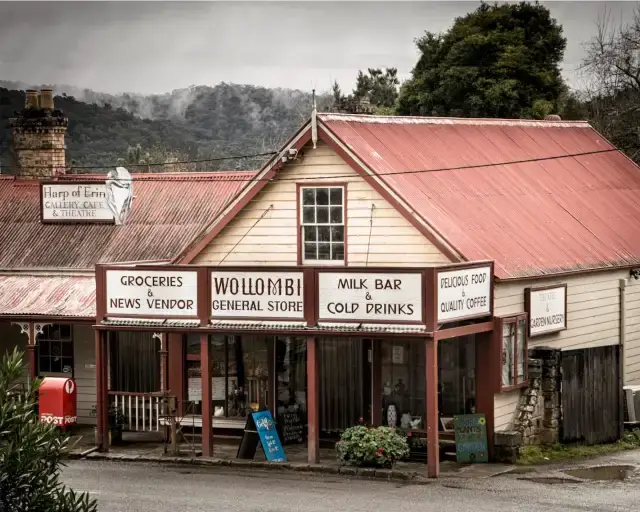
Our usual route takes us right past Wollombi, and it’s a stop I highly recommend. This charming historic village is a fantastic place to break the journey, stretch your legs, and grab any last-minute supplies you might need. It’s got a classic country pub, a few quaint shops, and a real old-world charm that provides a perfect transition from city life to wilderness.
We often pick up some local produce or just enjoy a quick Coffee before the final push. After Wollombi, it’s just that last stretch on the unsealed roads into Yengo, kicking up a bit of dust. Then you truly know the weekend has begun, and the only interruptions you’ll be getting are from the sounds of the natural environment.
Wollombi General Store
Scenic Stop - It’s a charming historic stop to grab a pie and a coffee before hitting the dirt. It’s also your last chance for any extras (water, snacks, even some local wine). People on the reviews rave about the friendliness and homemade sausage rolls.
Address: 2886 Wollombi Rd, Wollombi NSW 2325
Website: www.visitwollombi.com.au
Pro Tip
Top up fuel at Kulnura or Wollombi if needed. Once you’re in Yengo, there’s nothing but wallabies and dirt.
Night 1 - Finchley Campground in the heart of Yengo National Park
Finchley Campground, nested deep in Yengo National Park, offers a fantastic blend of history and bush camping. It’s set in a quiet, forested area, with level ground that’s perfect for a rooftop tent. The big draw here is the nearby Aboriginal rock art site, which is truly remarkable. After exploring the ancient engravings, settling in for a night with just the sounds of the bush is incredibly peaceful. It’s a place that connects you to both nature and Australia’s deep past.
I always aim for Finchley Campground for the first night. It’s not far into the park, so you can get there by dusk and still have time to pop the rooftop tent and plug in the Fridge before sunset. It’s well-shaded, so even in warmer months your fridge doesn’t struggle. I run my Kings 24Ah Powerpack here with a 160W Foldable Solar Blanket tucked in a sunny corner of the clearing.
- Location: Yango Track, Yengo Nat'l Park NSW 2330
- Cost: Free, but you must book online
- Facilities: Drop toilets, fire pits, flat space for tents or rooftop setups.
- Book via NSW National Parks
Pro Tip
You can’t go wrong with campfire-cooked pasta and a local Shiraz from Wollombi. Just make sure to bring your own firewood — there’s nothing but skinny bush branches around.
Saturday – Highlight of Yengo National Park: The Finchley Lookout
After a peaceful night with the Rooftop Tent under a blanket of stars, nothing beats waking up to that profound silence of the Australian bush. That crisp morning air and the utter lack of artificial noise is a complete antidote to city life.
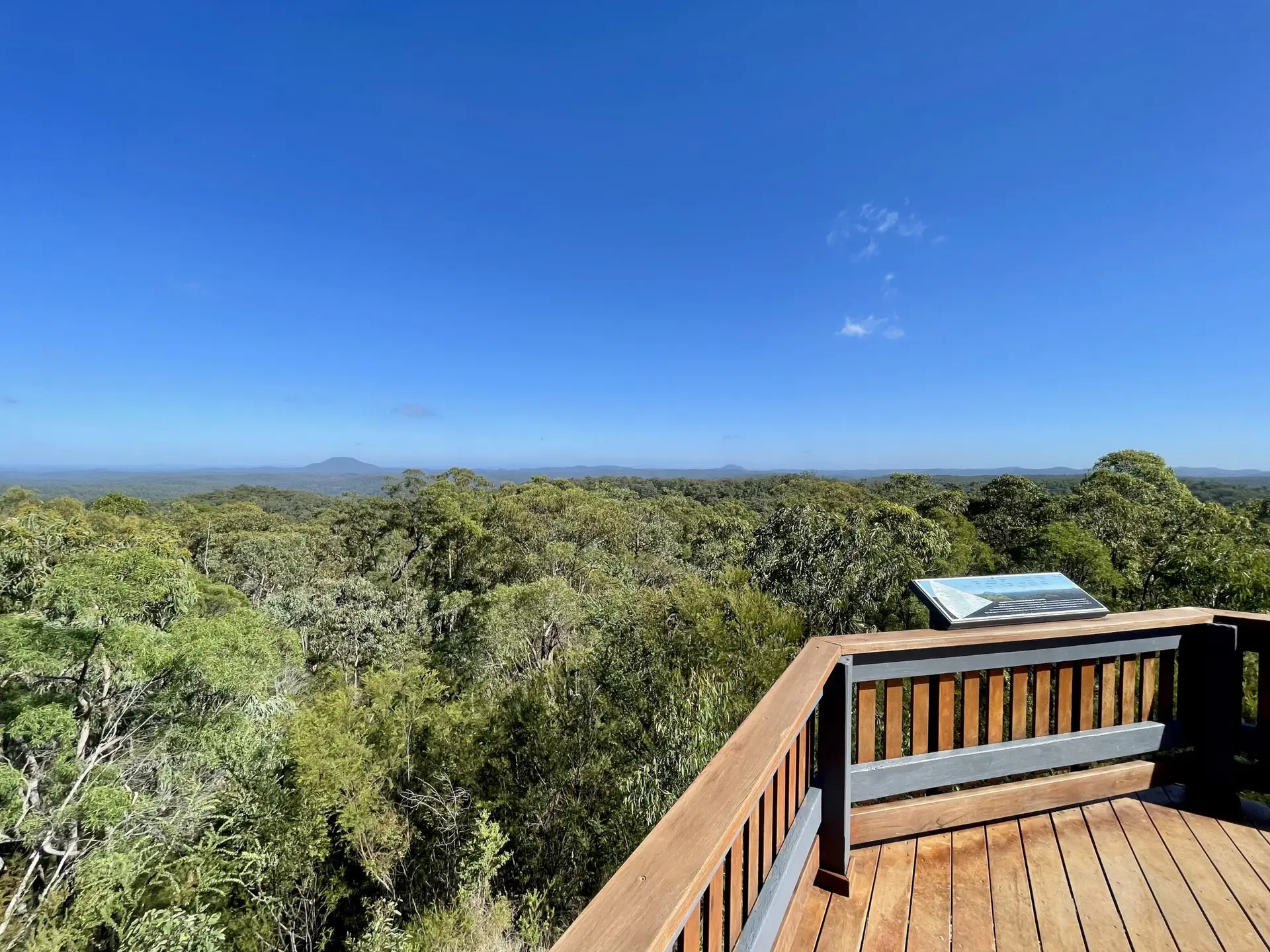
Once the coffee’s brewed and a quick breakfast is sorted, we always make a point of heading to the Finchley Cultural Walk & Lookout. It’s typically a short 10 to 15-minute drive from most of the campgrounds in Yengo, and it’s genuinely worth the detour. The lookout itself offers a breathtaking, wide-angle panorama of the vast Great Dividing Range, stretching out as far as the eye can see. It’s the kind of expansive, rugged landscape that immediately reminds you why you bought a 4WD in the first place. You feel like you’re standing on the edge of something immense and ancient.
Beyond the view, there’s also a fantastic short interpretive walk focusing on Aboriginal cultural heritage. It’s not a strenuous hike, maybe 30 minutes to an hour depending on how much you linger. The information signs along the path are exceptionally well done and incredibly insightful. They truly add depth to the experience, allowing you to connect with the land’s deep history and the traditional custodians. It’s a powerful moment to reflect on the ancient stories embedded in this landscape before settling back into the rhythm of your off-grid weekend.
Putty Road to Big Yengo Loop
After soaking in the views and history at Finchley, the true test of the Prado, and a highlight for any off-grid enthusiast, is taking on the Putty Road to Big Yengo Loop. This isn’t just a track; it’s a genuine 4WD adventure that really gets you deep into the heart of Yengo. Connecting the main Putty Road with the more remote sections of the park, creating a proper loop that feels miles from anywhere. You’re looking at a mix of corrugated dirt roads, some rocky sections, and occasional ruts, especially after rain. It’s nothing extreme for a capable 4WD like the Prado, but it definitely requires you to engage low range in a few spots and pick your lines carefully. This is where your vehicle’s ground clearance and tires really earn their keep.
As you navigate the loop, the landscape changes, offering glimpses of hidden valleys and unique rock formations. There are plenty of spots where you can pull over and simply take in the raw, untouched wilderness. We often stop for a quick brew or just to listen to the silence. It’s an immersive experience, reminding you that these parks are vast and beautiful, and getting away from the main drag is always worth the effort. Just make sure your Recovery Gear is accessible and your tires are appropriately deflated. It’s always better to be prepared for the unexpected in these more remote areas.
Some sections get corrugated or washed out after wet weather. Expect slow-going at times and always check NSW Parks alerts before setting off.
- Driving time: ~3–4 hours roundtrip, depending on road conditions.
- Requirements: High-clearance 4WD, low-range gearing helpful after rain.
- Landmarks: Dusty red soil ridgelines, wildlife sightings (I saw wild goats and emus), and absolutely no traffic.
Night 2 – Remote Wild Camp at Mogo Campground
If you don’t feel like heading back to Finchley, you can wild camp along the track (as long as you follow park rules and Leave No Trace). There are open flat sections near Mogo Campground or along the Big Yango Trail. Mogo Campground, within the Mogo State Forest near Batemans Bay, is a solid choice when you need a quiet bush camp away from the coast.
It’s a simple, open area surrounded by gum trees, offering plenty of space and level ground for a rooftop tent. We’ve found it reliably peaceful, with just the sounds of the forest at night. It’s a great, no-frills base if you’re exploring the local area or just need a solid overnight stop.
Sunday – The Wind Down & Scenic Exit
Packing up on Sunday feels easier here, the place forces you to slow down. I usually do a final walk around the site, make sure all the ashes are cold, and check the Fridge (still humming thanks to the solar). Driving through Laguna, especially after or before a bush trip, we always make a point of stopping at the old Trading Post. A real step back in time, surrounded by the quiet rural landscape. It’s not just a place to grab a cold drink or a snack; there’s a real historical feel to the spot. It’s a nice, brief break from the road, letting you stretch your legs and soak in a bit of local character before continuing on.
Laguna Trading Post Café
Scenic Stop - On the drive back, make a quick stop at this unassuming café that serves excellent coffee and surprisingly good pastries. You’ve earned it after two nights off-grid!
Address: 3718 Great N Rd, Laguna NSW 2325
Website: www.tradingpostlaguna.com
Is Yengo National Park Camping Worth it?
Alright, so after a weekend exploring Yengo National Park camping, what’s the verdict? A resounding 100 percent. This park is, without a doubt, one of those truly underrated spots that somehow manages to fly under the radar. You won’t find the Blue Mountains-level crowds here, which, for me, is half the appeal. Instead, it consistently delivers epic bushland, genuine solitude, and just enough of a 4WD challenge on its tracks to keep things interesting. It make you feel like you’ve actually done something.
For me, it’s now become my absolute go-to for those short weekend resets. It’s not about ticking off a list of “must-see” landmarks or chasing picture-perfect waterfalls; it’s about the fundamental experience of being out there. Yengo gives you the unique space to truly switch off, to breathe properly, and to feel a world away from the hustle and bustle of Sydney without needing to take a full week off work.
You can leave the city on a Friday afternoon and be completely immersed in the wild by sundown. If you’re running a Rooftop Rent setup, appreciate the simplicity and self-sufficiency of Off-Grid Camping, and don’t mind a bit of light dust on your rig or a few corrugations on the tracks, then this place genuinely hits the sweet spot.
| Season | Notes | Go? |
|---|---|---|
| Autumn (Mar–May) | Ideal temps, fewer flies | ✅ |
| Winter (Jun–Aug) | Crisp nights, great for campfires | ✅ |
| Spring (Sep–Nov) | Wildflowers, but more bugs | ✅ |
| Summer (Dec–Feb) | Avoid after heavy rain – the trails can get dicey fast | ❌ |