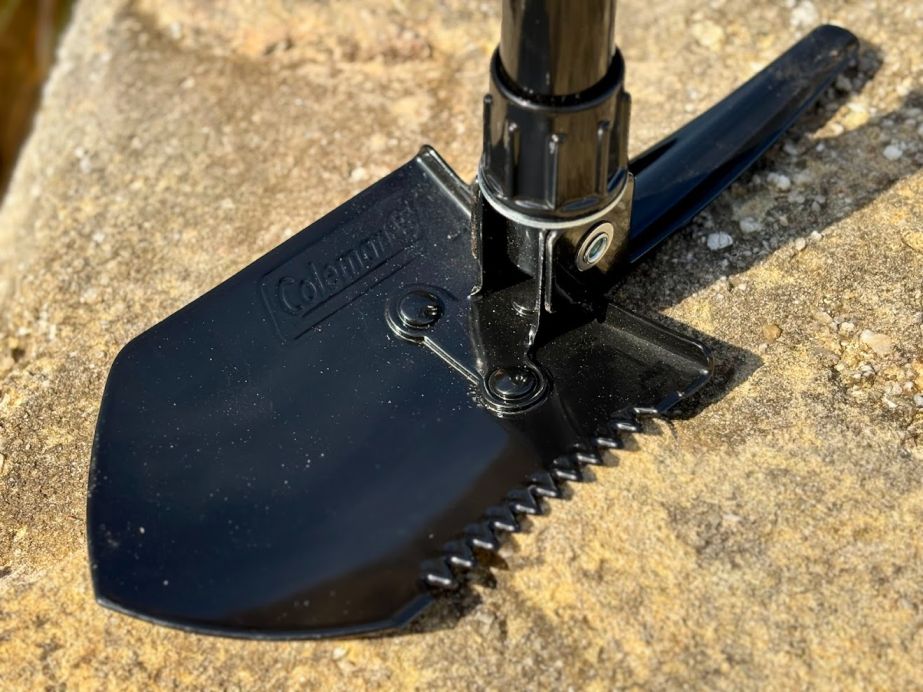
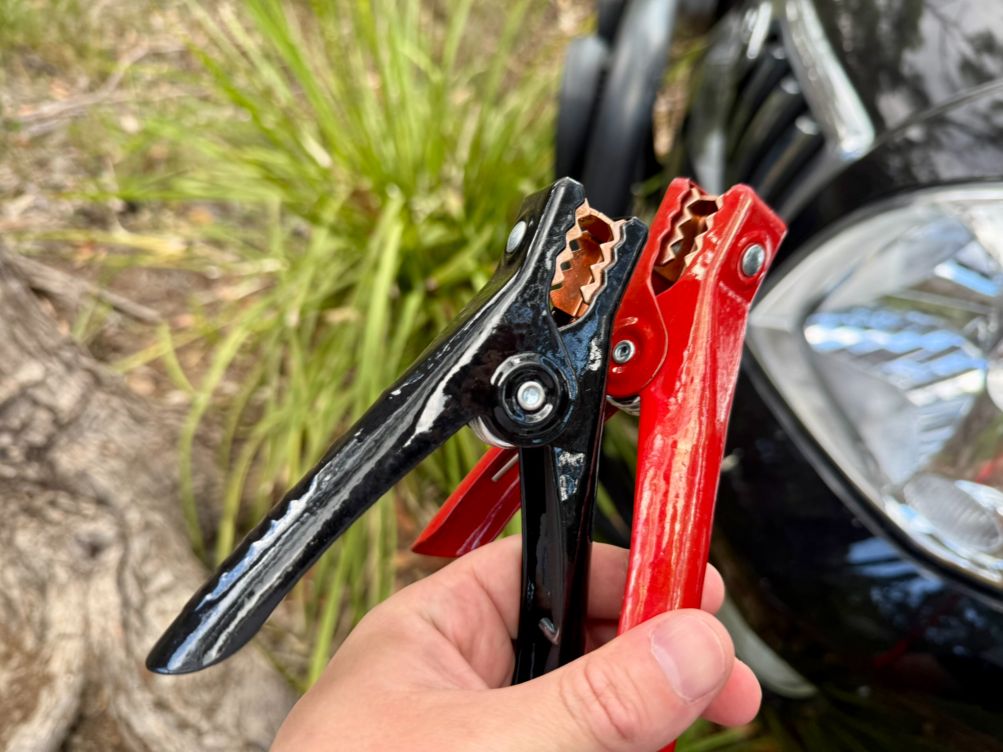
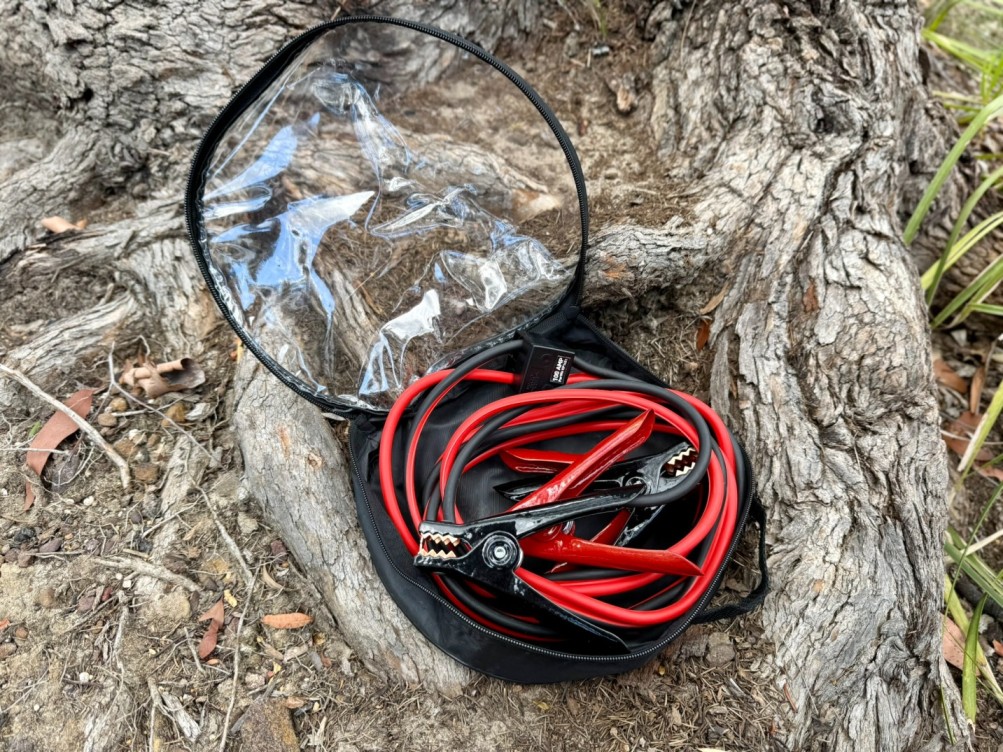
If you’re exploring Australia’s bush tracks, beaches, or backroads, getting stuck is just part of the deal. The best 4WD recovery tracks Australia has to offer are one of the most essential 4WD accessories you can carry. They can be the difference between getting back on the road or spending the night digging with a camp mug.
Our picks


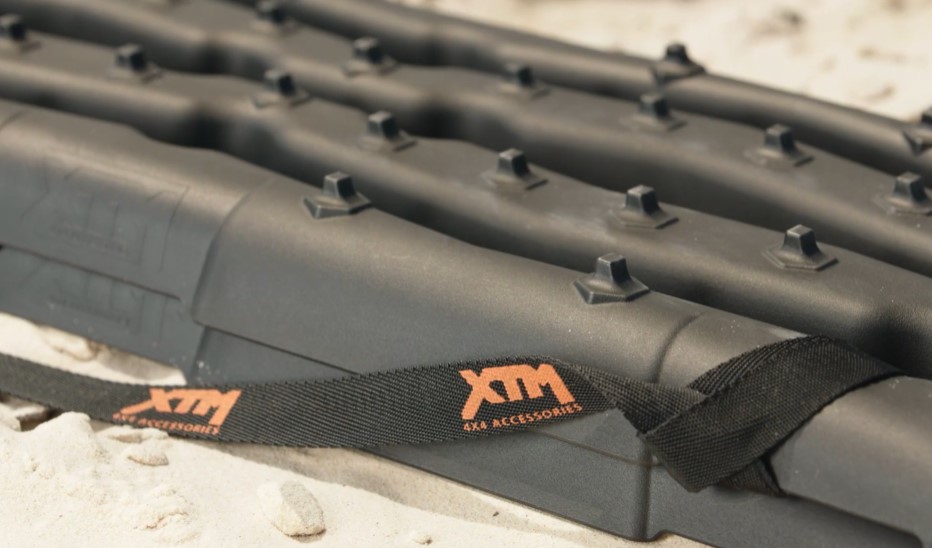

In this guide to the best 4WD recovery tracks Australia has to offer, I’ve tested multiple options across coastal dunes, muddy climbs, and remote riverbeds. Whether you’re just starting your off-grid setup or upgrading your kit, here’s what’s worth carrying — and what’s not.
How to choose the Best 4WD Recovery Tracks
Before you toss any gear in the back of your rig, it’s worth knowing how to get the most out of it. Whether you’re using MAXTRAX or one of the more budget-friendly options, the best 4WD recovery tracks Australia has to offer won’t help much if they’re used wrong. After years of off-grid touring around NSW, here are a few recovery tips that have actually made a difference when the wheels start spinning.
- Dig before you deploy – tracks only work well with clean approach angles.
- Use a pair – always run boards under both tyres for balanced grip.
- Store them securely – loose boards in your boot can become dangerous projectiles.
- Clean them after use – especially if you’ve been in clay; build-up damages teeth.
- Practice before you need them – knowing how they feel in use is a real advantage.
Quick Picks & Comparing the best recovery tracks
Check out this quick list of the best recovery tracks or continue scrolling to see our full list of favorites with in-depth reviews.
- Best Performing recovery boards: Maxtrax MK2 Recovery Tracks ($319)
- Jump to Review
- Best Value recovery boards: TRED GT Recovery Boards ($229)
- Jump to Review
- Most Slick recovery boards: XTM Recovery Boards ($200)
- Jump to Review
- Best Budget recovery boards: X-Bull Gen 2.0 Recovery Tracks ($75)
- Jump to Review
How we test
Our philosophy is simple: we beat it up so you don’t have to. We start with a deep dive into build quality and materials. Does it feel solid? We then test its main job, whether it’s keeping water out or delivering maximum performance, pushing it past its limit to make sure it’s reliable.
Next, we look at durability. We simulate years of wear and tear, dragging, vibrating, and exposing it to all the muck, grit, and elements your adventures throw at it. We also check ease of use: Can you actually use this thing quickly and intuitively, even with cold hands or in a rush?
Finally, we check how practical it is. We measure the weight and packed size. If it’s heavy or bulky, it better be absolutely bombproof. Only the gear that handles this abuse and proves its worth makes the cut for your AdventureKit.