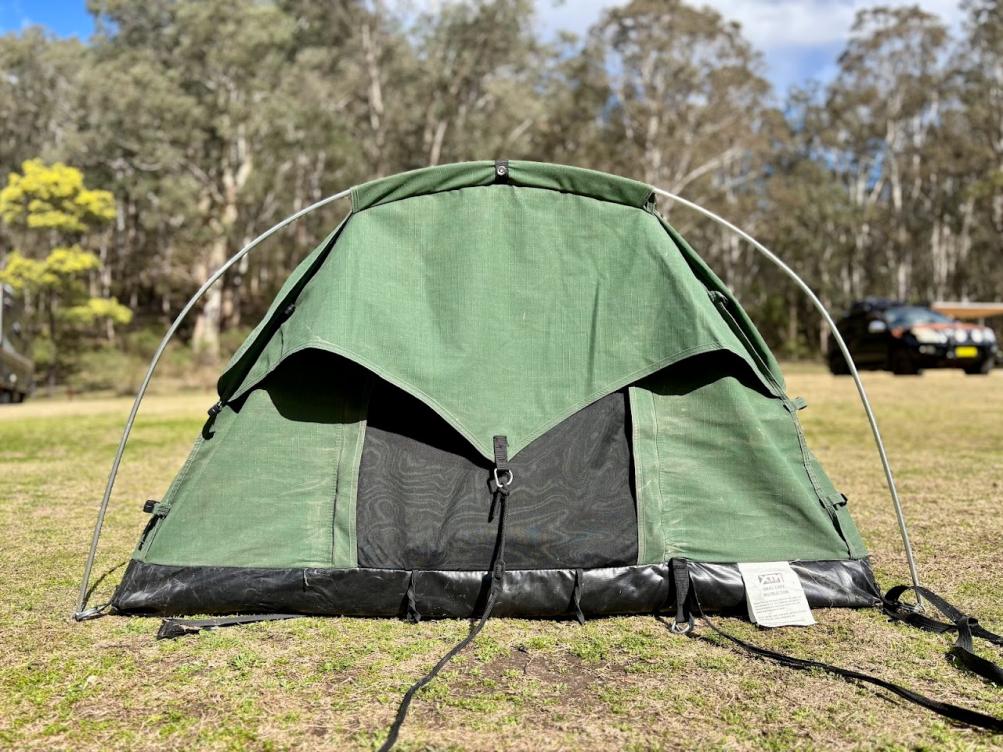
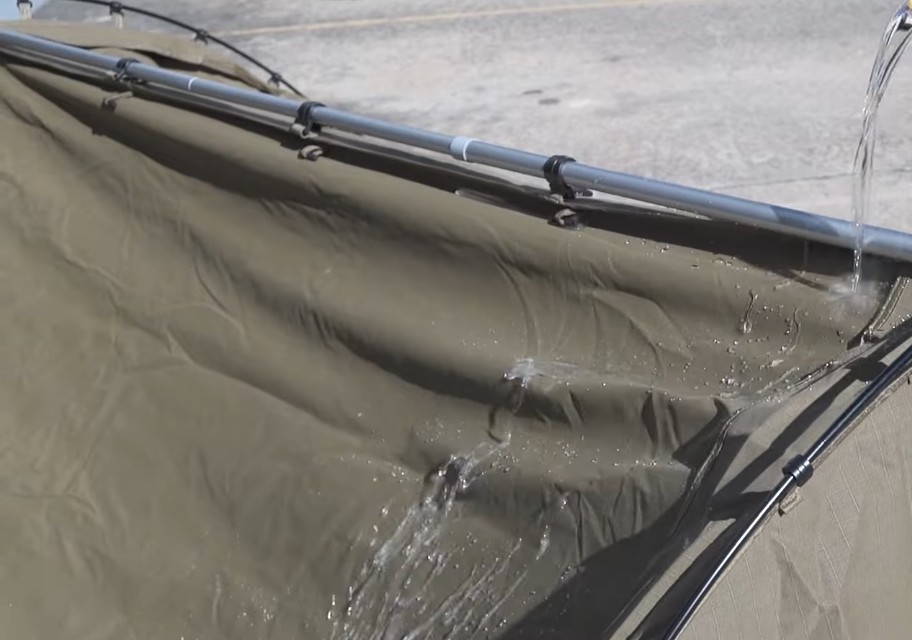
We tested a variety of best tent pegs built for demanding terrain. Do they offer uncompromising holding power, but are they easy enough to remove when the trip is over? Many adventurers invest heavily in tents and swags but overlook the foundation. A flimsy peg or two quickly turns a breezy evening into a major emergency. Your entire shelter’s stability relies on these small pieces of hardware.
Our picks

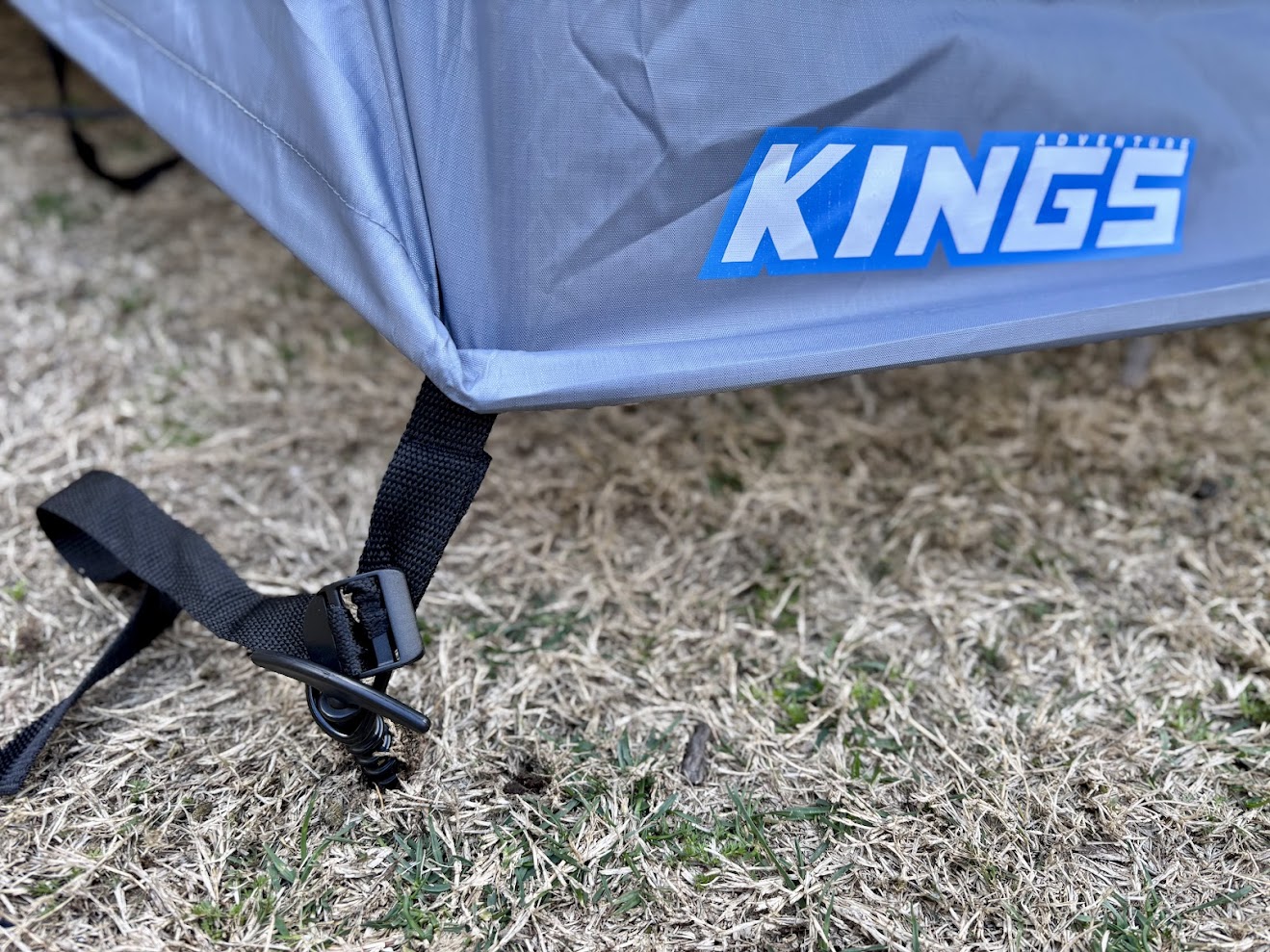
We have put steel, aluminium, and composite pegs through hard ground and high-wind simulations. The right set of pegs prevents stress and keeps your home away from home firmly secured. See our reviews to find the toughest, most dependable ground anchors available today.
How to choose the best tent pegs
When choosing the best tent pegs, the most important consideration is the ground you usually camp on. No single peg works perfectly in every situation. For soft soil and sand, look for pegs with a large surface area, such as a wide V-shape or even a specialised sand anchor. This surface area provides superior grip in loose sediment.
Conversely, hard and rocky ground requires slender, tough materials like forged steel or titanium. These rock pegs feature pointed tips that drive through compacted dirt and stones without bending. Furthermore, always check the length of the peg. A minimum of 20 cm offers dependable holding power in mixed conditions. Look for a large head or an integrated pull loop for easier extraction. Having a mix of peg types ensures you are ready for any campsite challenge.
- Non-negligible Features
- Ground Suitability: Matches expected terrain type
- Material Strength: Steel for rocks, alloy for lightness
- Length: Minimum of 20 cm for security
- Extraction Aid: Head shape or pull cord for easy removal
- Visibility: Bright colours prevent tripping
Quick Picks & Comparing the best tent pegs
Check out this quick list of the best camping water containers or continue scrolling to see our full list of favorites with in-depth reviews.
- Best Heavy-Duty tent pegs: Coleman Steel Tent Stakes 4-Pack ($15)
- Jump to Review
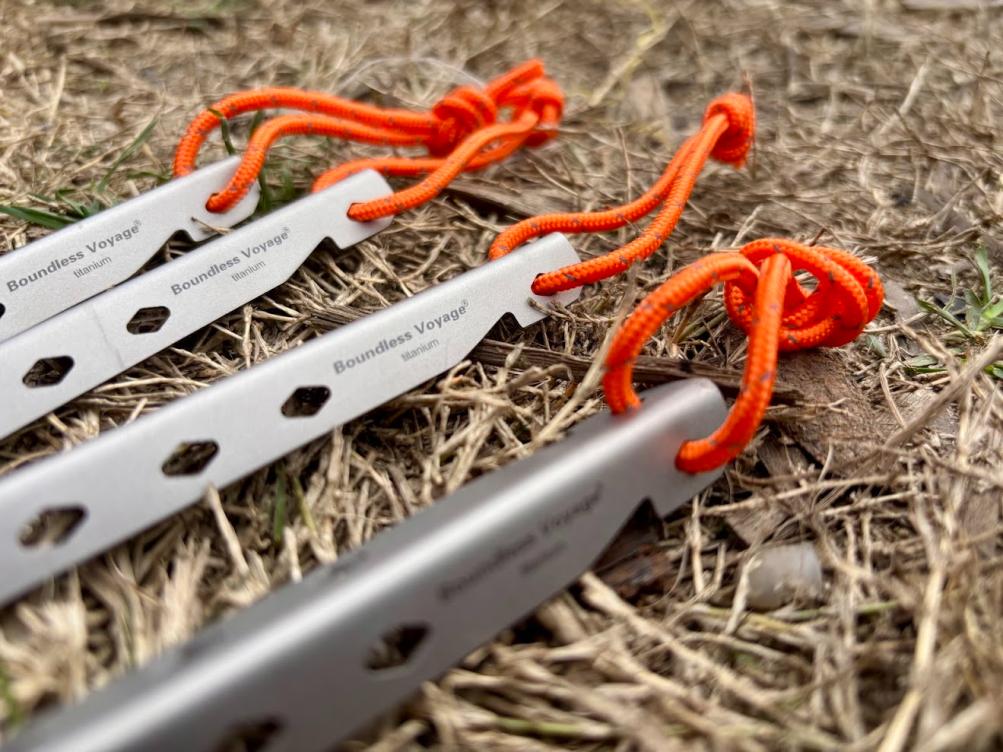
- Most Lightweight tent pegs: Boundless Voyage Titanium Tent Pegs 8-Pack ($70)
- Jump to Review
- Best Flexible tent pegs: Nylon Tent Stakes 10-Pack ($12)
- Jump to Review
How we test
Our philosophy is simple: we beat it up so you don’t have to. We start with a deep dive into build quality and materials. Does it feel solid? We then test its main job, whether it’s keeping water out or delivering maximum performance, pushing it past its limit to make sure it’s reliable.
Next, we look at durability. We simulate years of wear and tear, dragging, vibrating, and exposing it to all the muck, grit, and elements your adventures throw at it. We also check ease of use: Can you actually use this thing quickly and intuitively, even with cold hands or in a rush?
Finally, we check how practical it is. We measure the weight and packed size. If it’s heavy or bulky, it better be absolutely bombproof. Only the gear that handles this abuse and proves its worth makes the cut for your AdventureKit.