A new canvas swag is one of the best investments you can make for outdoor comfort. Its thick, durable canvas provides excellent protection from the elements. However, many people forget one crucial step before their first trip. You must “season” the canvas. This is a common requirement for any new canvas material, whether it is a swag or a Camping Tent.
The good
- Do pitch the swag fully and tautly
- Do repeat the cycle at least twice
- Do soak seams and zips thoroughly
- Do ensure full sun for drying periods
- Do check local water restrictions first
The not-so-good
- Don't use soap or detergent
- Don't fold the swag when damp
- Don't pack away until 100% dry
Our picks
Seasoning is not just a suggestion; it is a necessary process. The manufacturing of a swag involves stitching large pieces of canvas together. The needles used create tiny holes in the fabric. While the canvas itself is tightly woven, these fresh stitch holes are open pathways for water.
Therefore, learning how to season a swag properly is the only way to guarantee you stay completely dry during a downpour. This easy guide shows you how to turn your new purchase into a perfectly waterproof shelter.
what is seasoning a swag
Seasoning is simply the process of thoroughly wetting and drying the canvas multiple times. This uses a natural characteristic of cotton and canvas. The cotton fibres naturally absorb water. When they get wet, they swell up significantly. When they dry, they settle into a permanent, expanded position.
When you repeat this wet and dry cycle a few times, those tiny holes created by the sewing needle are completely filled and sealed by the expanded cotton fibres. The material essentially molds itself around the thread in the seams. This creates a tight, waterproof barrier right where the vulnerability lies. This process must be done before you ever rely on your swag in the rain. Failure to season your swag means any substantial rain will likely lead to leaky seams and a miserable night’s sleep. Think of it as preparing your canvas for its lifetime of keeping you dry.
how do you season a swag
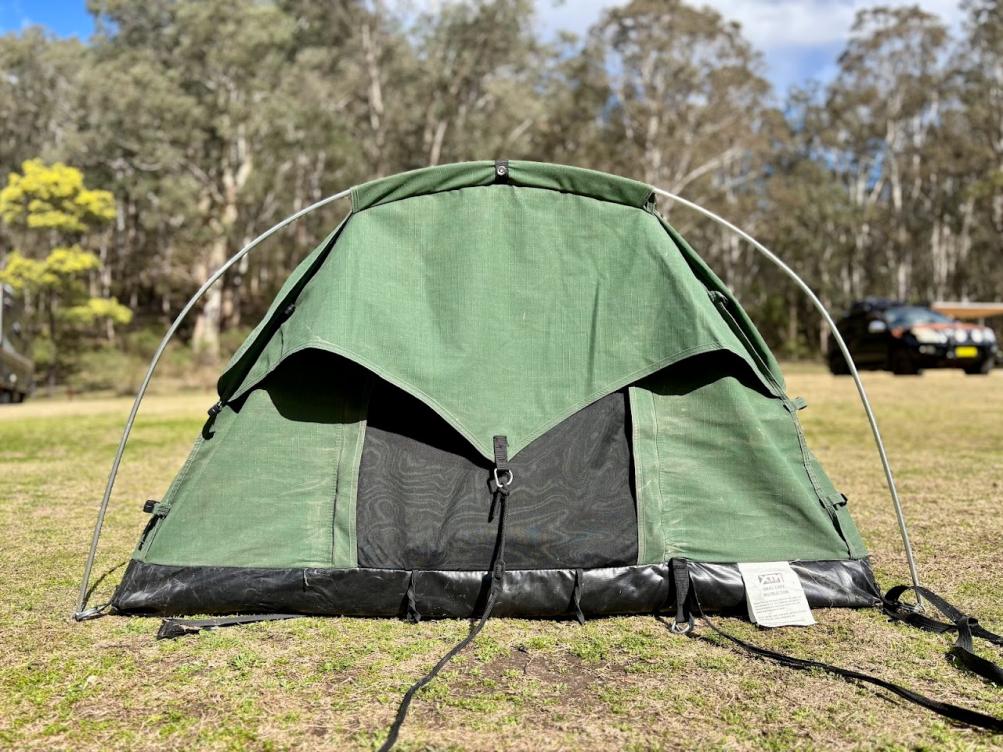
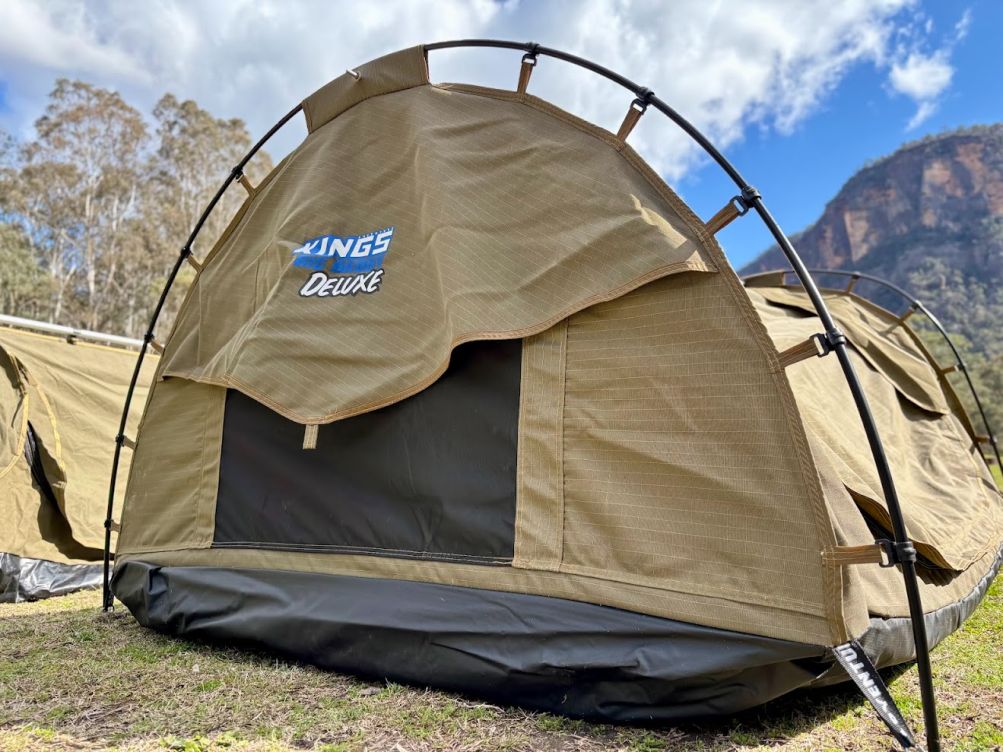
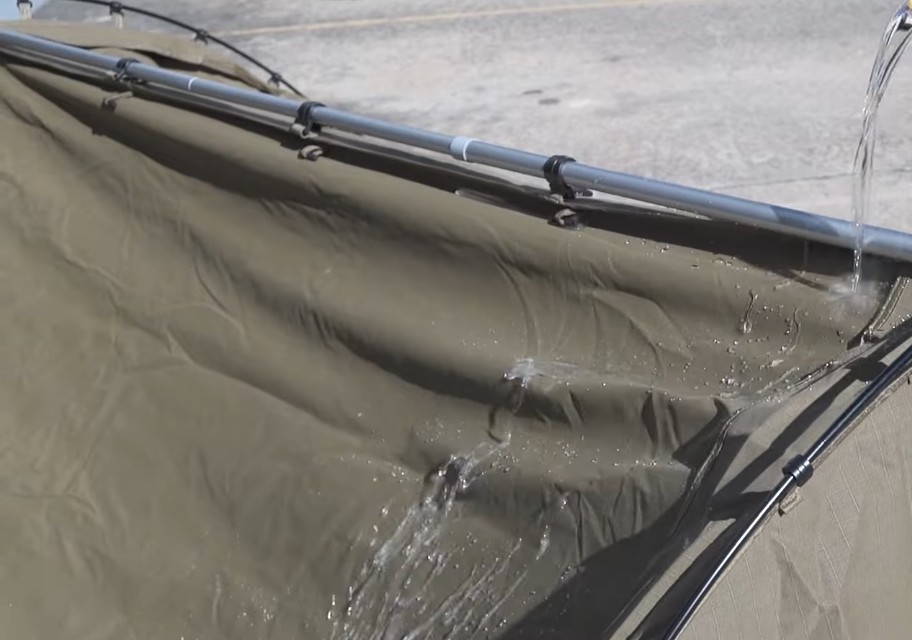
To begin seasoning, set up your swag completely outside, just as if you were camping. Ensure all the canvas sections are taut and pitched correctly. Then, grab your garden hose and begin spraying the entire canvas surface. Do not be gentle; you need to saturate the canvas completely. Pay special attention to the seams and all the stitched areas. This includes around zippers and window mesh.
Once the entire swag is saturated and soaking wet, let it sit for a few minutes. This allows the fibres the time needed to absorb the water. Then, turn the hose off and leave the swag pitched outside to dry completely. This might take several hours, depending on the heat and humidity. Once it is bone dry, repeat the soaking process again. I recommend repeating the cycle at least twice, or three times for absolute peace of mind. The process is complete when the water beads up and rolls off the canvas, even on the seam lines.
| Cycle | Action (Wet) | Action (Dry) |
|---|---|---|
| Cycle 1 | Soak canvas thoroughly using a hose. | Allow to fully dry in warm, sunny conditions. |
| Cycle 2 | Repeat the soak, focusing water on the seams. | Allow to fully dry; check seams for beading. |
| Cycle 3 (Optional) | Heavy soak with a high pressure hose. | Final inspection, the swag is now fully sealed. |
Swag Seasoning: What to keep in mind
When you learn how to season a swag, timing and cleanliness are important factors. Always choose a day when you know the weather will be clear and dry for the entire duration of the drying cycle. The canvas must dry out completely between each soak. If you fold or pack away a damp swag, even for a short time, you risk mold and mildew growth. Mold is very damaging to canvas and can ruin its waterproof qualities permanently.
Never use any detergent or soap during the seasoning process. Soap can strip away the natural water-resistant treatment applied to the canvas during manufacturing. Furthermore, it can damage the cotton fibres themselves. If you are seasoning an older swag or tent, check the weather seals on the fly and window mesh. These plastic or PVC seals may need a specialized sealant if they have degraded.
Finally, resist the urge to pack it away quickly. Ensure the swag is 100% dry before you roll it up and put it into storage. This prevents mould forming and ensures the longevity of your investment!
Summary
The simple act of learning how to season a swag is non-negotiable for anyone who owns a new canvas model. It is the key step to guaranteed rain protection. This process uses the natural swelling of cotton fibres. It causes the canvas to permanently seal the tiny holes created during the sewing of the seams. You must pitch the swag tautly and thoroughly saturate the canvas with water. Pay extra attention to all the stitched seams.
I strongly recommend repeating the soak and dry cycle at least two times. This ensures the canvas has fully stretched and sealed itself around the thread. The most important rule to remember is complete dryness. Never fold, roll, or store your swag while it is still damp, as this invites mildew and mould. Following this quick and easy guide guarantees that your swag is waterproof and ready to keep you comfortable and dry on your next adventure.