When it comes to camp comfort, a good sleeping bag can make or break your night in the bush. Whether you’re stretched out in a swag, tucked into a Rooftop Tent, or hiking light, the right bag should be warm, compact, and ready for the rough. In this review, I put this Naturehike Sleeping Bag (1.3kg extra-wide model) through its paces across multiple trips to see if it’s up to the challenge for Aussie campers. Spoiler: it punches well above its weight.
The good
- Soft, quiet fabric with a roomy fit
- Unzips flat for blanket-style use
- Splicing option for couples or families
- Good warmth-to-weight ratio
- Packs small for drawer storage
The not-so-good
- Not suitable for sub-zero temps
- May be too warm in tropical humidity
- No internal stash pocket for valuables
What You’re Getting
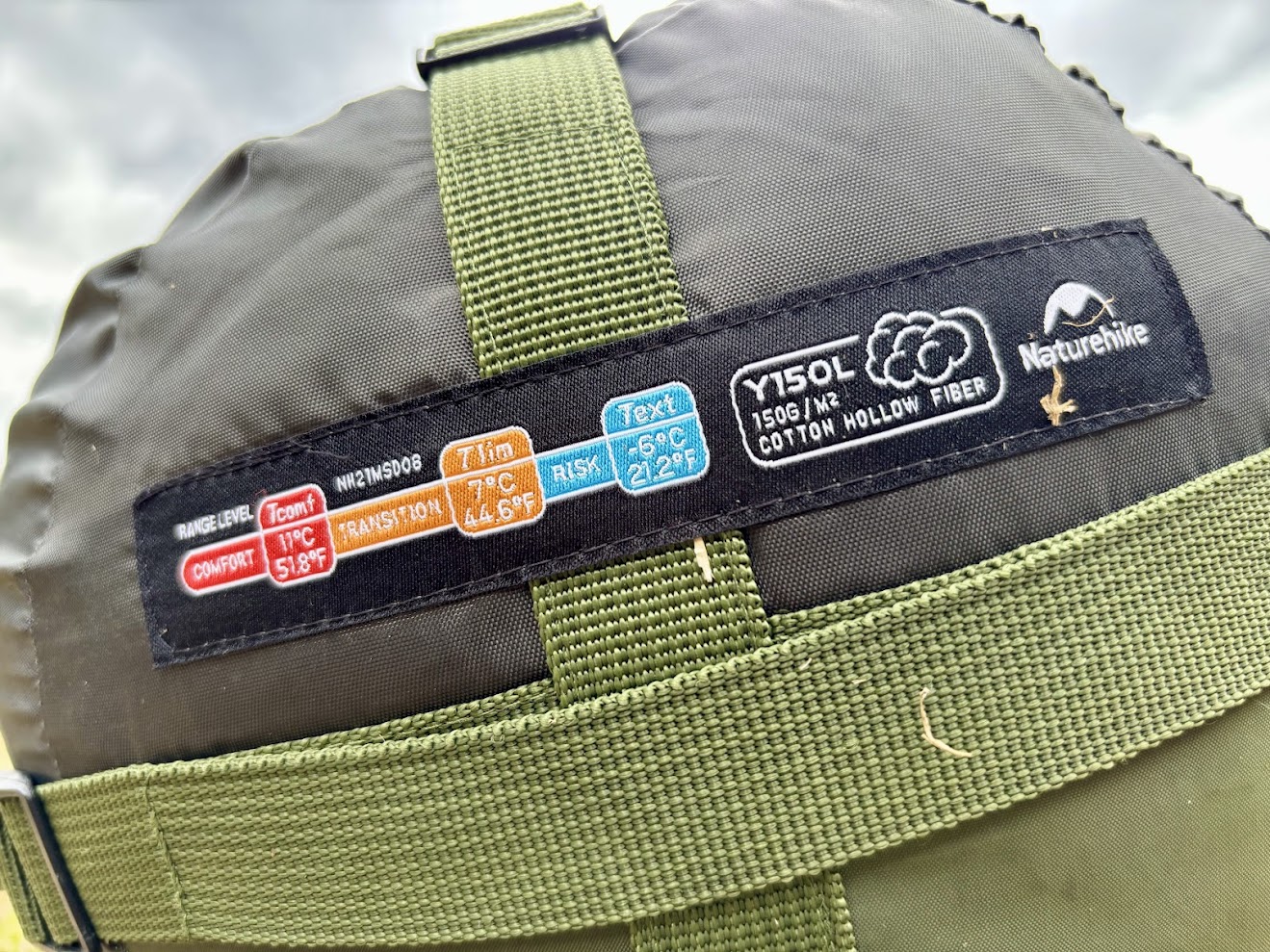
The Naturehike Sleeping Bag Y150L is an ultralight, compact essential for campers & hikers. Crafted from durable, soft material, its cozy mummy shape provides warmth for outdoor nights. Ideal for adventures where weight & pack size matter.
Key Specifications
If you’re ready to dive into the details, here are the key specs for this product. The table below gives you a clear and quick overview of everything you need to know.
| Spec | Details |
|---|---|
| Brand | Naturehike |
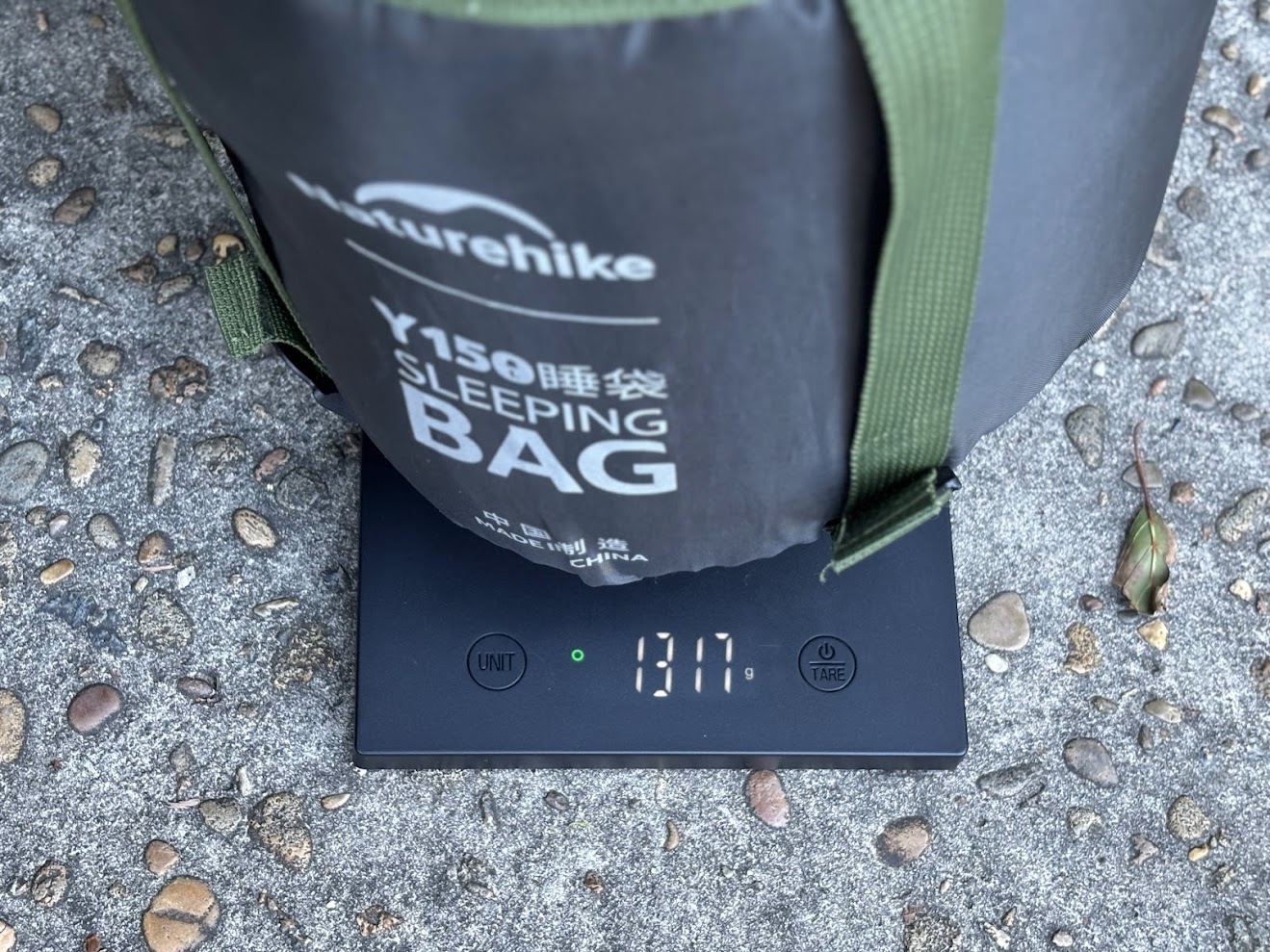
| Weight | 1.3kg |
| Temp Range | Comfort: 7°C–16°C |
| Dimensions | 220 x 85 cm |
| Packed Size | 43 x 22 x 22 cm |
| Fill | 100% Hollow Cotton (synthetic insulation) |
| Shell & Liner | 190T polyester (outer), 190T pongee (inner) |
| Best For | Spring/summer camping, 4WD setups, casual hikes |
| Special Features | Foot vent, splicing option, full unzip, compression bag |
First Look: Extra Width and Built for Comfort
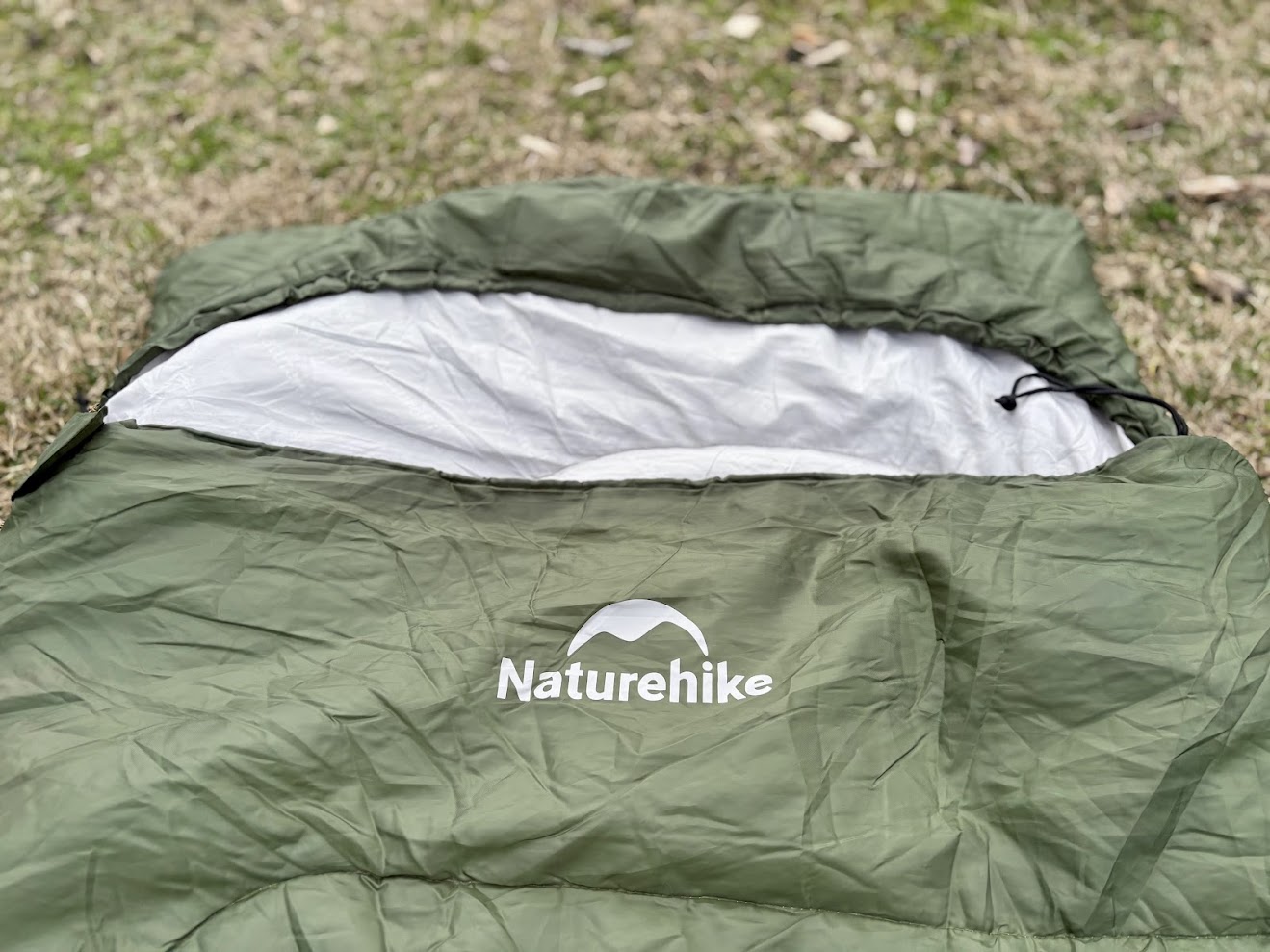
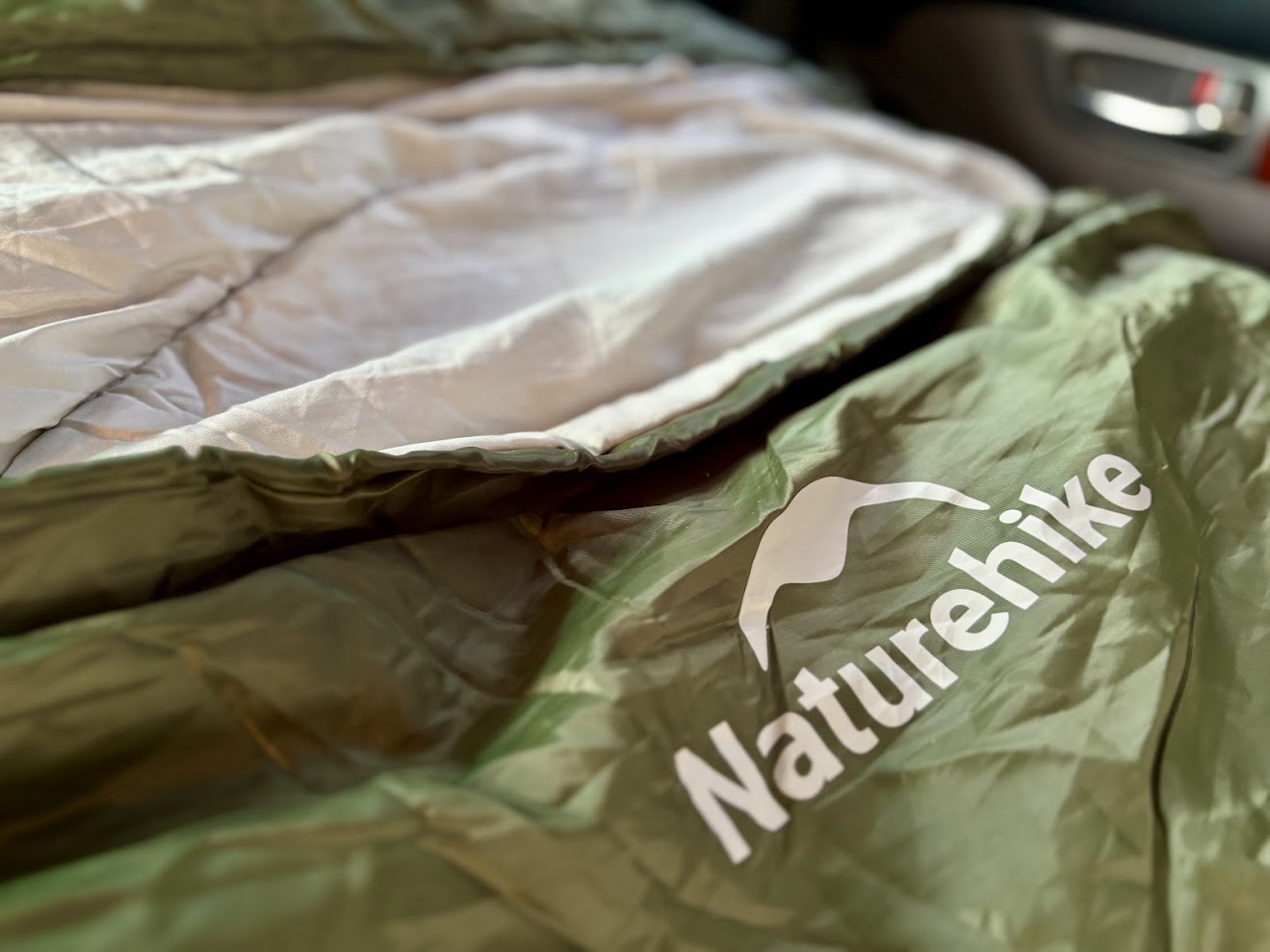
Out of the stuff sack, this sleeping bag feels more like quality bedding than your typical plasticky camp bag. The outer is made from 190T polyester, which is water-repellent and wear-resistant, while the inside uses a soft 190T pongee liner — genuinely skin-friendly and quiet.
The bag is 220cm long and 85cm wide, offering about 10cm more shoulder room than most standard camping bags. That extra width is a real game-changer if you’re a side sleeper or tend to move around during the night. Even with layers on, I never felt constricted.
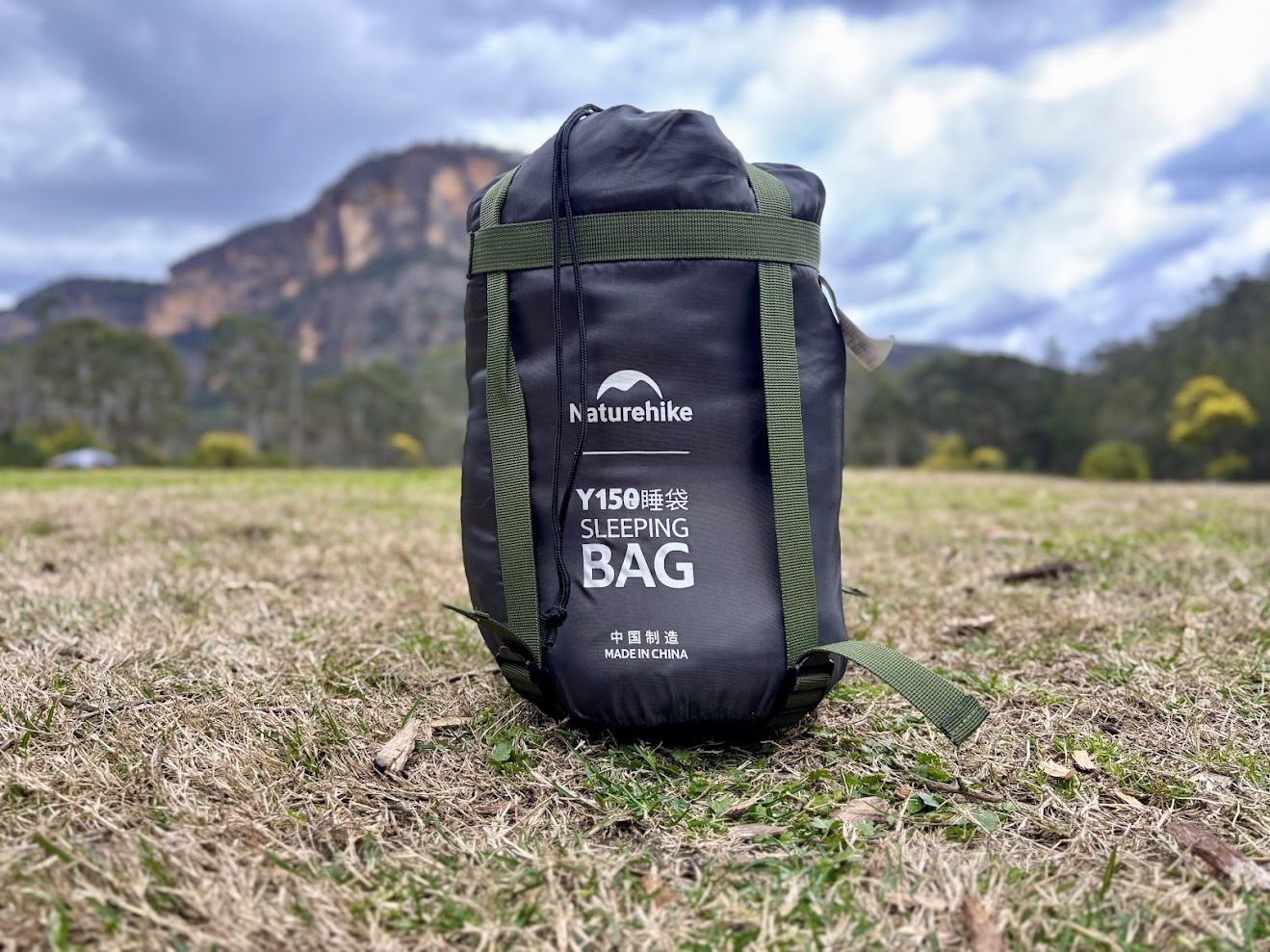
Portability vs Comfort Trade-Off
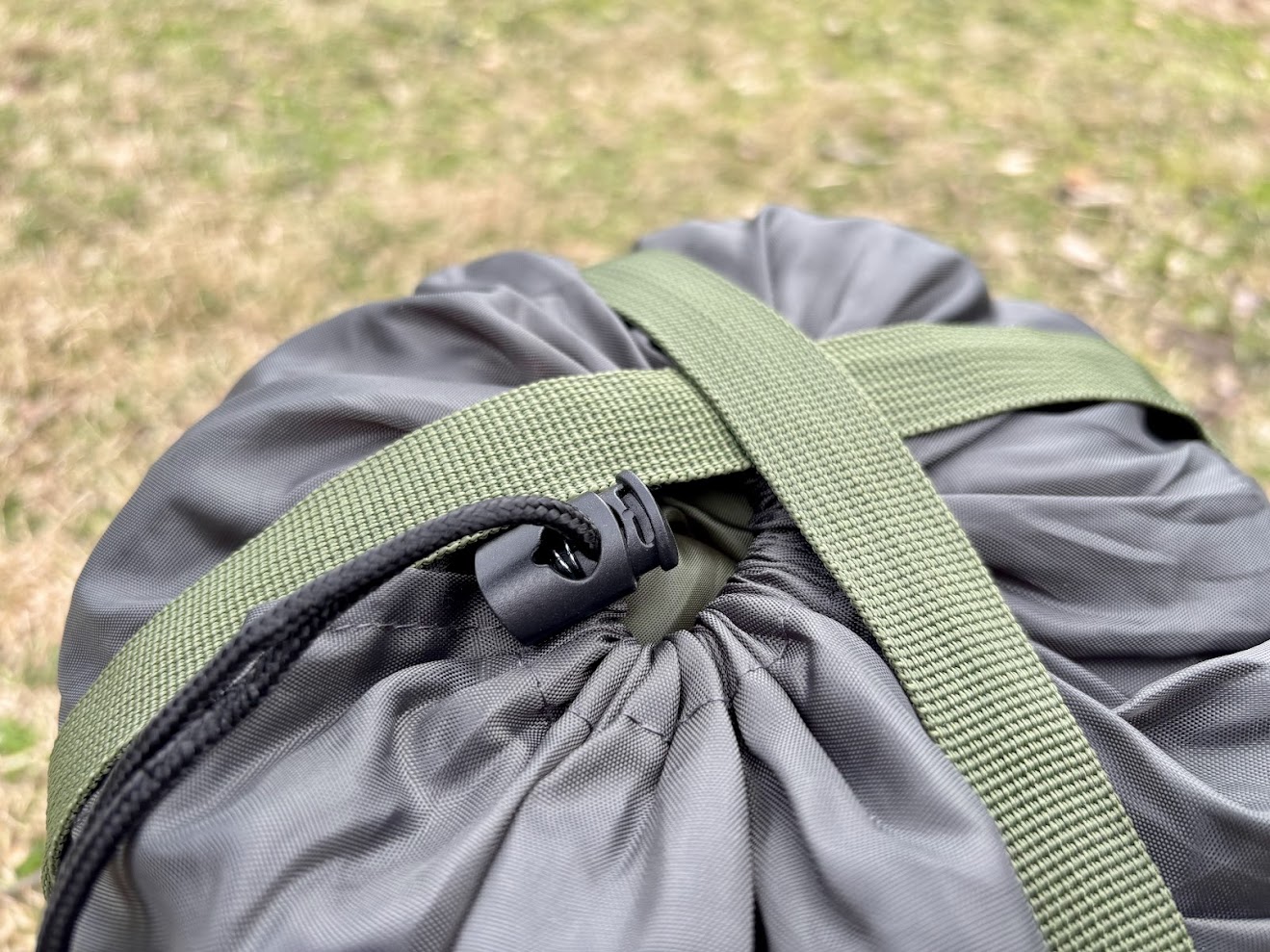
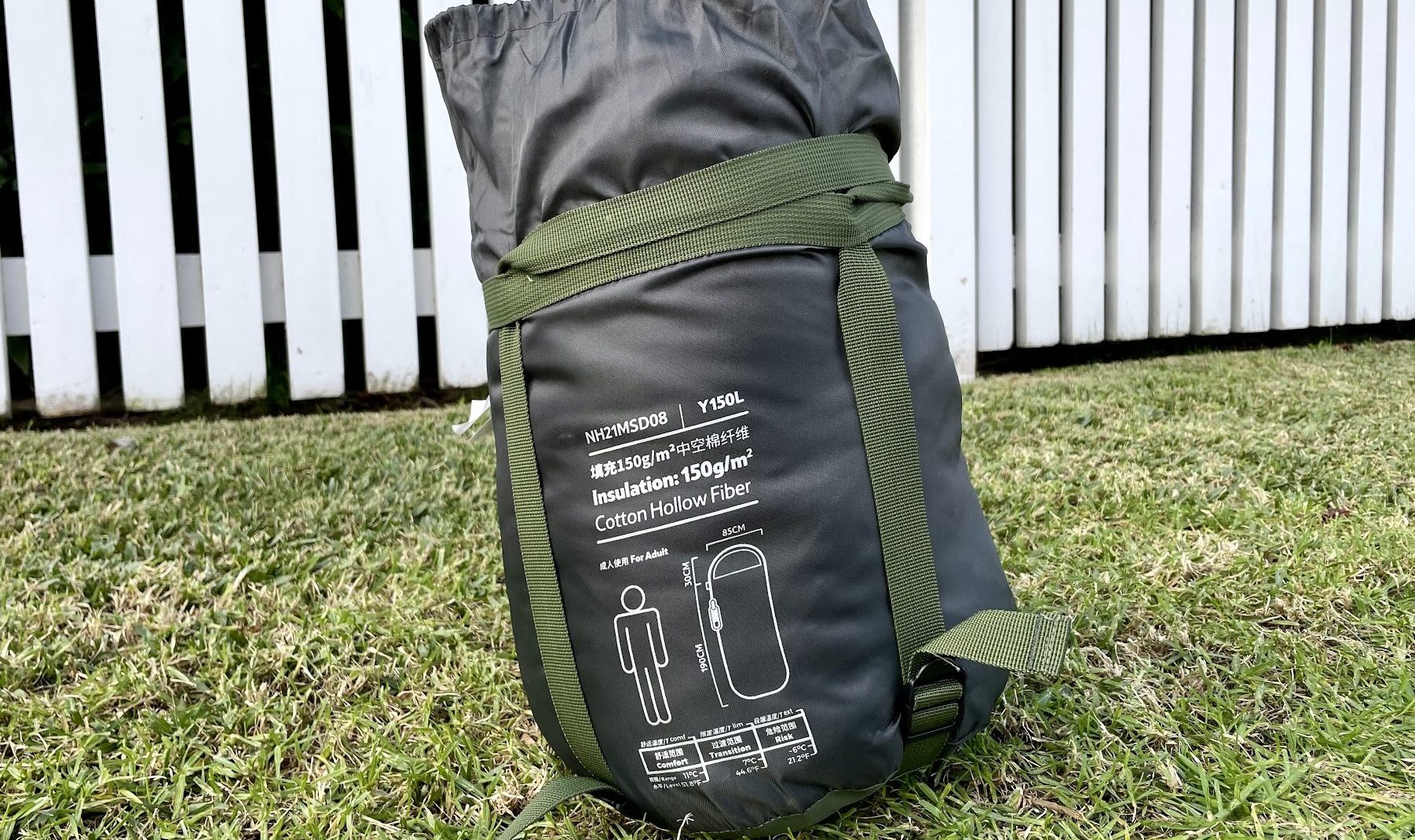
At 1.3kg, it’s not ultralight, but it’s also not bulky. It strikes a good middle ground, lightweight enough for car camping and short hikes, but roomy and insulated enough for real comfort. The compression stuff sack pulls it down to a neat size (43 x 22 x 22 cm), which fits easily in a drawer system, roof box, or even behind a seat.
For most car-based campers or 4WD setups, it’s a great blend of portability and practicality. Especially if you’re used to bulkier sleeping bags or swags.
Features of the Y150L naturehike sleeping bag
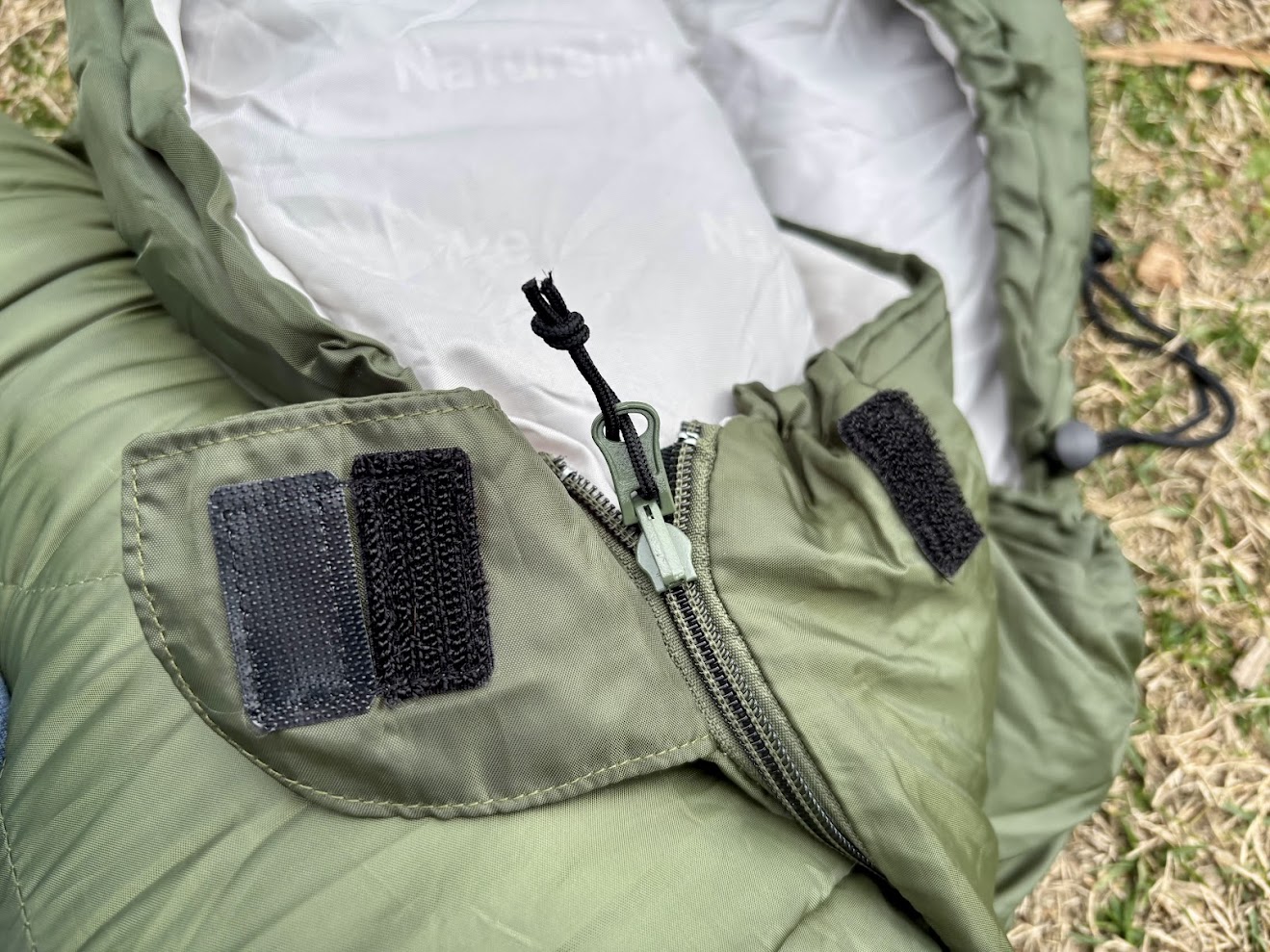
This bag is packed with features that make it really versatile. For starters, you can fully unzip it to use it as a large quilt or blanket, which is a great option for warmer nights or just lounging around camp. It also has a two-way zipper, which allows you to vent your feet without opening the whole bag. This is a game-changer for regulating your temperature throughout the night.
When it’s time to pack up, the included compression sack makes it surprisingly compact, which is a huge benefit for backpackers and anyone trying to save space. Plus, you can even zip two compatible bags together to create a roomy double sleeping bag for you and a partner. It’s these kinds of thoughtful details that make it a really practical piece of gear for a variety of trips.
Materials & Build Quality
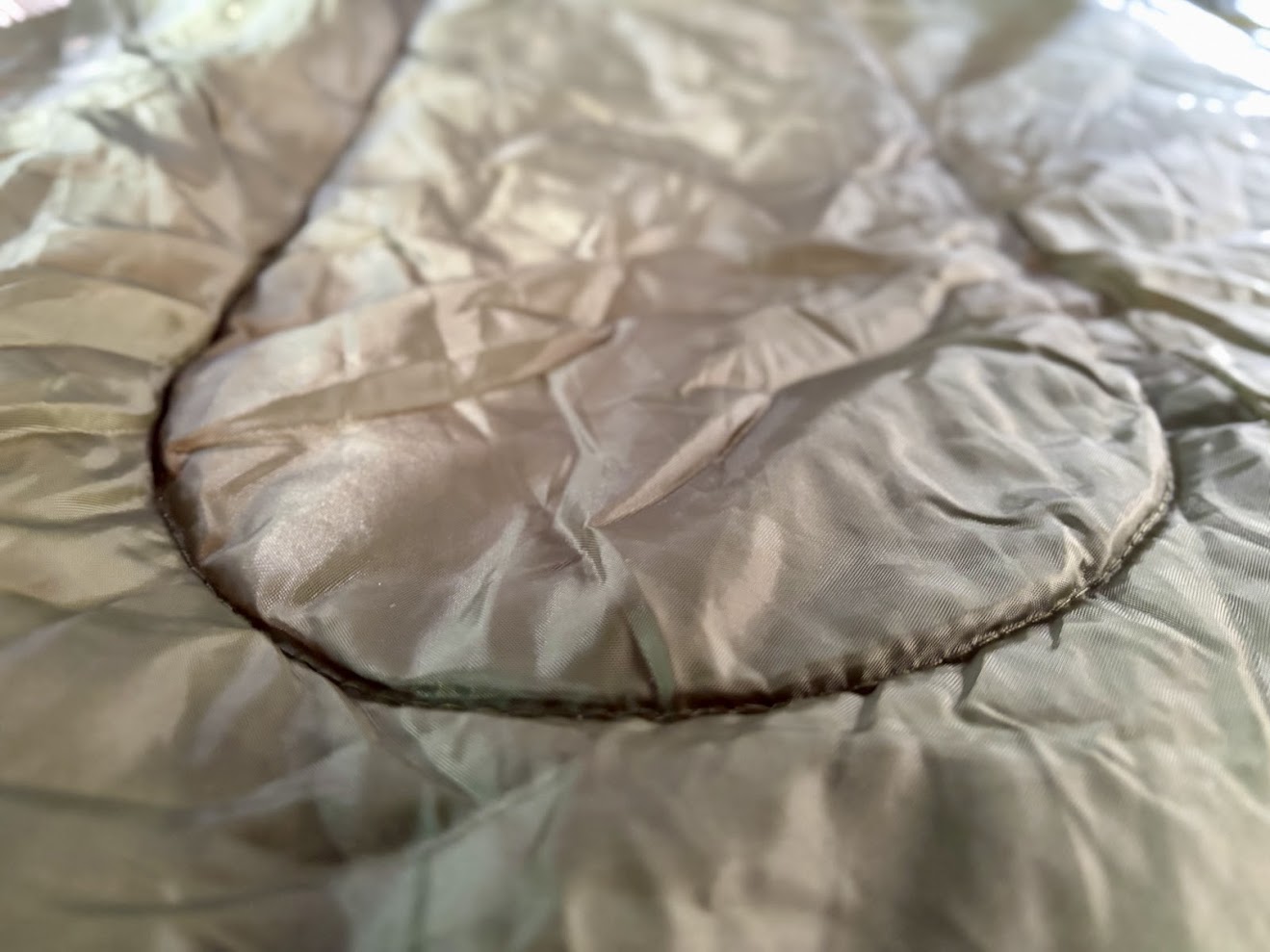
It’s always a gamble when you buy a budget sleeping bag, but honestly, this one feels pretty well-made for the price. The outer shell is a lightweight, water-resistant 20D nylon, which is a big plus for a bit of protection from condensation or a stray splash. Inside, it’s filled with goose down, and while the exact fill power and weight can vary between different models, it’s clear they’ve designed it to be as warm and as light as possible. It has a great loft and feels really comfortable.
The stitching and overall construction seem solid, and the YKK zippers are a nice touch—they feel smooth and don’t snag, which can be a real point of frustration with cheaper bags. Overall, it seems like a bag that’s built to last for a few seasons of regular use without falling apart on you.
Sleep comfort at camp
I tested this sleeping bag during two shoulder-season trips where night temps dropped to around 8–10°C. With just a merino base layer underneath, I stayed warm and comfortable all night. The synthetic fill breathes well, so I didn’t overheat even when the wind dropped.
One night at Putty Beach, I half-unzipped the bag and used it like a doona. At Glen Davis, I zipped it all the way up and tightened the hood to hold in warmth. In both scenarios, the fabric remained quiet — no annoying rustling when shifting positions. The extra width came in handy too. Unlike narrow mummy bags, this one lets you sprawl a bit, which made a big difference for getting decent sleep.
Conclusion: Naturehike Sleeping Bag Y150L
A bad night’s sleep can wreck your trip. Whether you’re in a rooftop tent, Swag, or on a stretcher under the stars, your sleeping bag is one of the most important pieces of gear you carry. That’s where the Naturehike Sleeping Bag (1.3kg, extra-wide model) comes in. Designed for spring through autumn in Australian conditions, this sleeping bag promises warmth, room to move, and a few clever features that make it more versatile than most at this price point. I packed it for several weekend trips (from Bouddi National Park to Coorongooba Campground) and tested it across a range of night temps and sleeping setups.
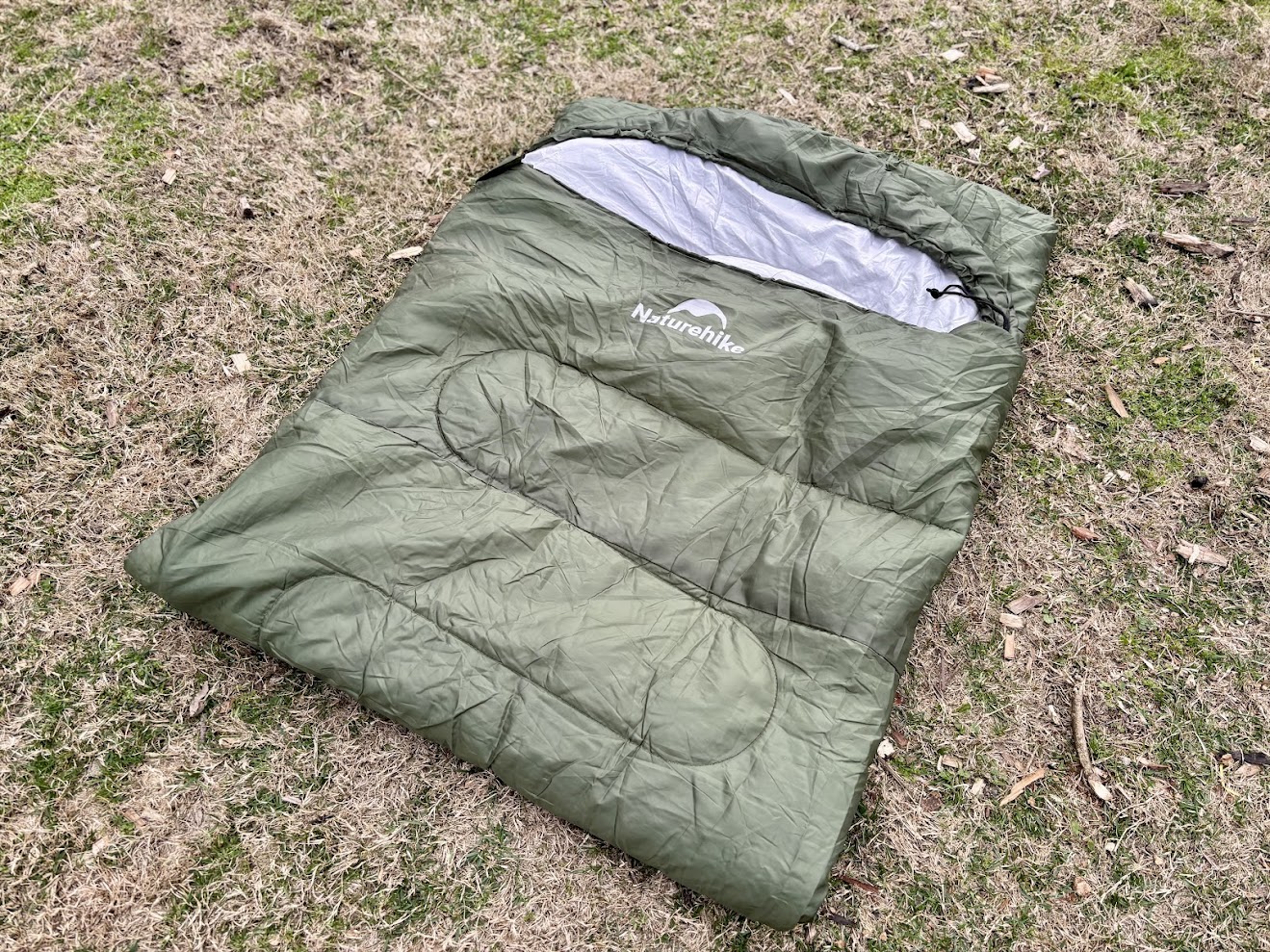
This bag has become my go-to for warm-weather trips and quick overnight setups. It ticks the right boxes: it’s comfortable, easy to pack, roomy enough to actually sleep well in, and doesn’t require babying like some high-end gear. I especially rate the splicing feature, which is a smart add-on if you’re camping with a partner. It’s also great for keeping in the car full-time — just in case you decide to camp spontaneously. Overall, it’s a smart, affordable addition to any weekend warrior’s gear list.
Gear That Complements Your Camp Setup
Building out your Camp Sleep Setup? See how this sleeping stacks up against others in our Sleeping Mat Comparison. For cold nights, we recommend the Sea to Summit Sleeping Bag Liner. And if you’re going Ultralight, check out our review of the Pocket Shower for compact Camp Hygiene on the go.