Best sleeping mat options: Why It Matters in the Bush
If you’ve ever spent a night on a lumpy swag or flattened Air Mattress, you already know a solid Sleeping Mat can make or break your trip. In this review we’re looking into the best sleeping mat options on the market, I’ve tested four popular options across different terrains in and around Sydney. From coastal camps to chilly highland nights, these mats went through the wringer in my trusty 2006 Toyota Prado, with my usual setup: Kings Powerpack, Kings Freezer, Solar Blanket, and a roof basket.
Whether you’re a side sleeper, value a fast setup, or hate feeling every stick under your back, this guide should help you decide which one deserves a spot in your kit. And if you’re piecing together your full sleep setup, be sure to also check out this Washable Camping Pillow.
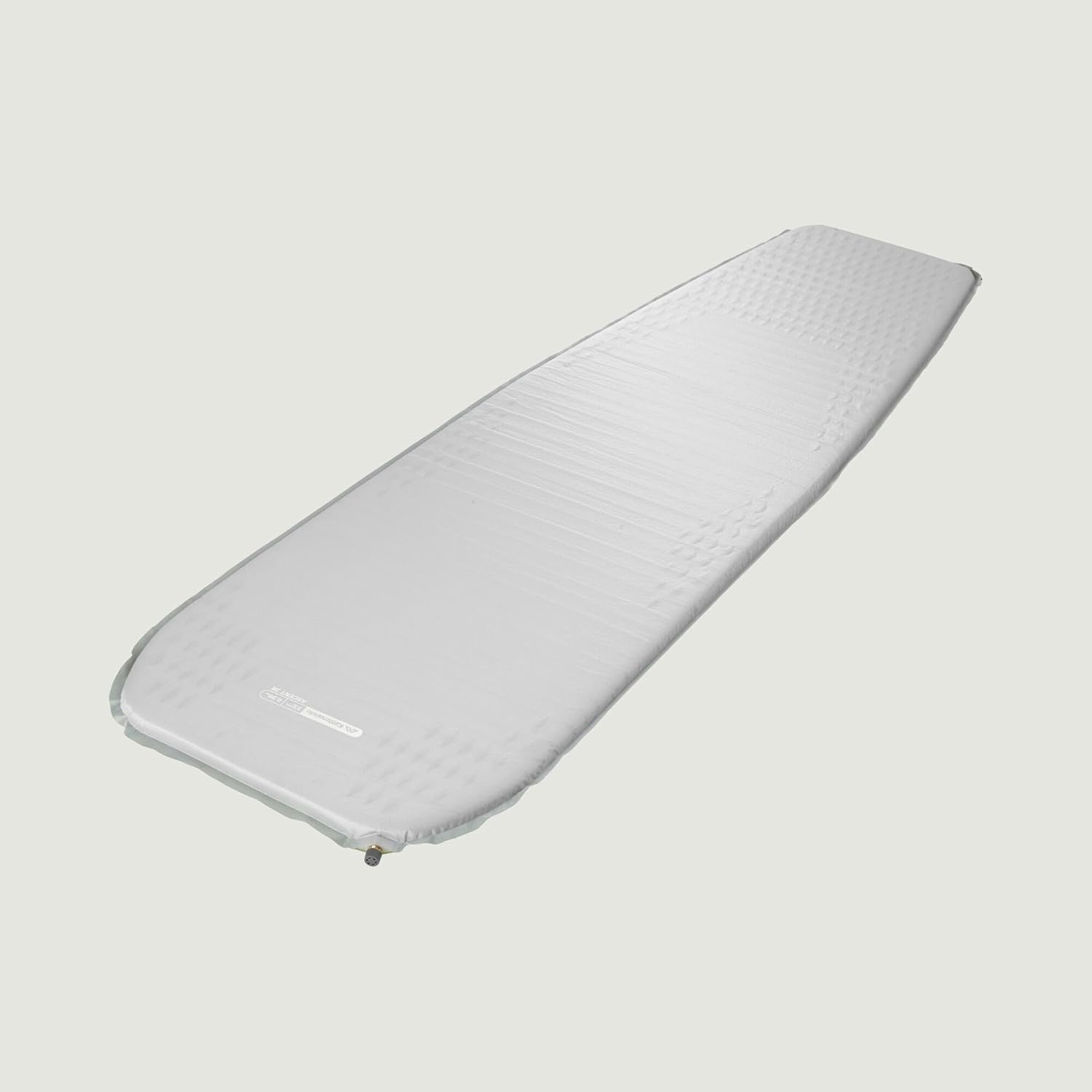
San Hima 10cm Self Inflating Mattress – Field-Tested
This self-inflating mat uses a durable 75D polyester exterior and has a soft-touch top that doesn’t make that awful squeaking sound some mats do when you shift at night. The snap design lets you attach two together, which is a nice touch if you’re travelling as a couple. Inflation is mostly passive, but I found topping it off manually made it just right. Packed size is large, so it eats space in your rig. But if you sleep cold or like extra padding, this mat is a solid pick.
My Take: This is the mattress I keep grabbing for winter trips. It’s bulky, yes, but that extra 10cm of foam is gold on cold or rocky nights. If you’re someone who struggles to sleep well outdoors or you just hate the cold creeping up through the floor, this mat is a game-changer. I’ve tested it over several multi-night stays and it’s held up every time—no slow leaks, no fuss.
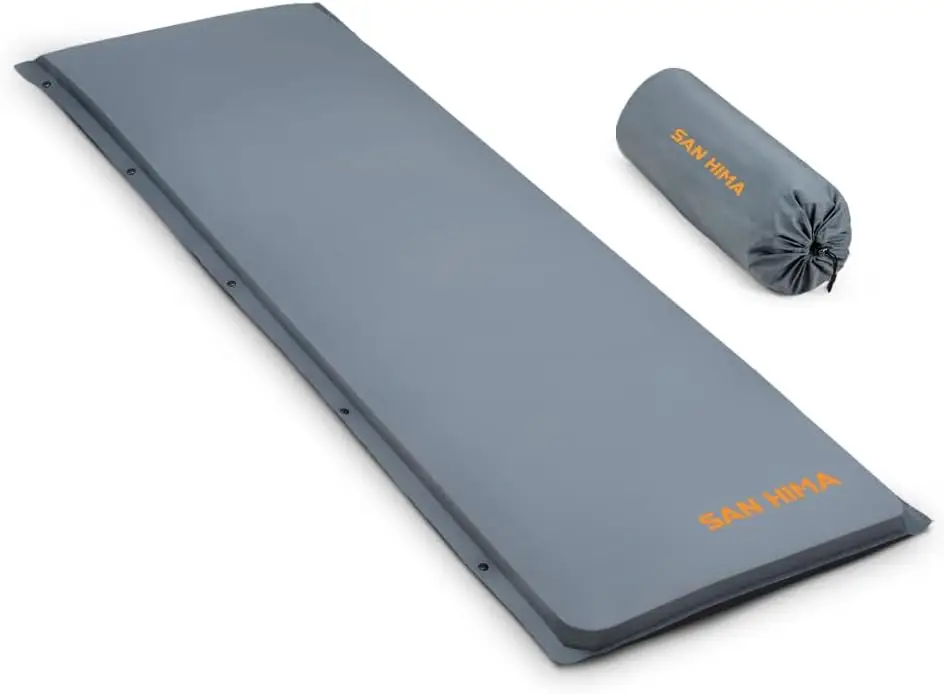
Naturehike Ultralight 6cm – Lightweight with Limits
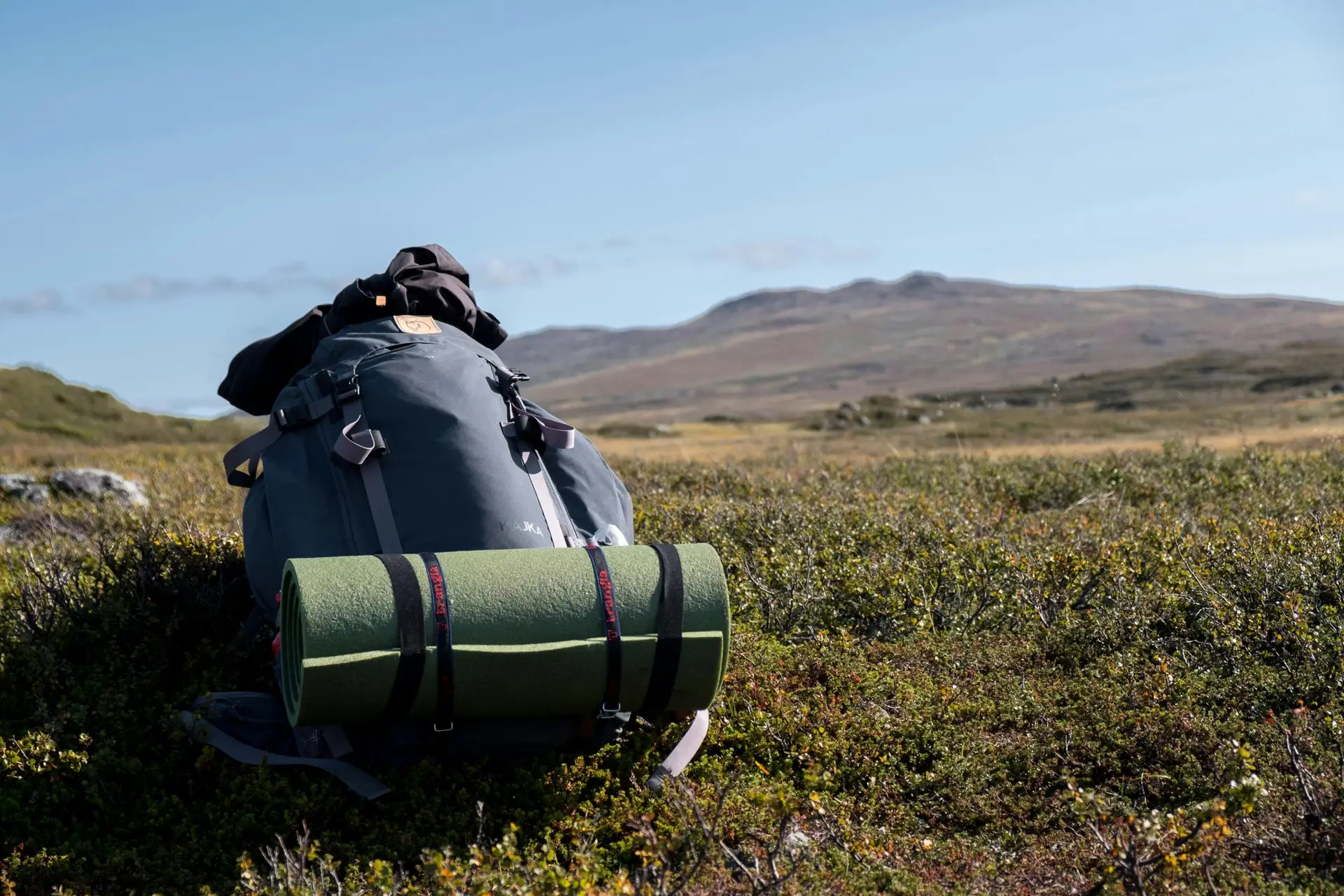
Weighing around 550g, this mat packs down to the size of a water bottle. It inflates manually in under two minutes and has a simple valve system that works fine, though it doesn’t lock as securely as some others. The 6cm depth is okay on soft ground, but on harder surfaces I found it a bit thin—especially as a side sleeper.
Good for minimalist overnight setups or hikes where weight really matters, but probably not what you’d want for longer basecamps or cold weather.
My Take: Great for hikers or solo campers needing to save space and weight, but not my go-to for car camping comfort. It’s easy to throw in a pack and barely takes up room, so I always keep it around as a backup. That said, I wouldn’t rely on it for more than a night or two unless you’ve got seriously tough hips or a perfectly flat ground.
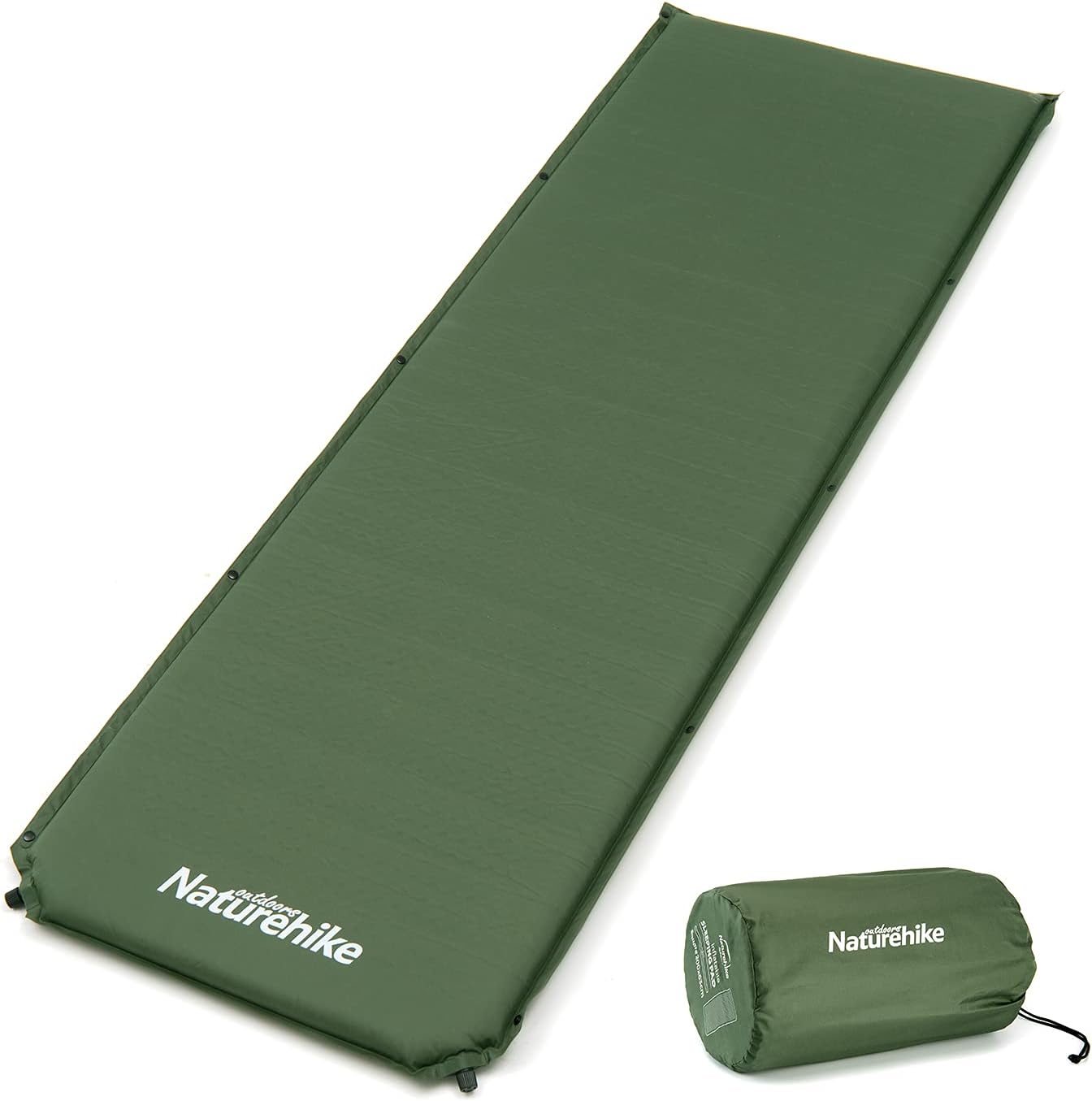
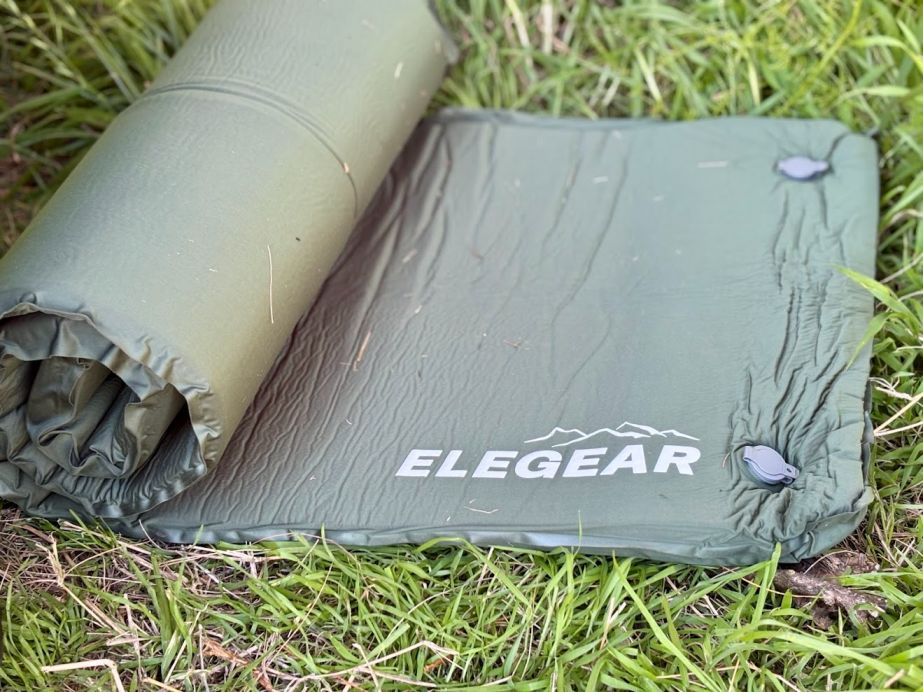
Elegear Air & Foam HexaFoam Sleeping Pad – Comfortable Hybrid
This one combines air chambers and foam for a plush feel. It also has a built-in foot pump, which is both clever and mildly annoying if you’re trying to stay quiet early in the morning. Once inflated, the pad has a quilted feel that distributes weight nicely. It’s also warmer than expected—good for shoulder seasons or nights in the Blue Mountains. The weight and packed size are on the large side, but not unbearable for car camping. Just don’t expect it to be ultralight or tiny.
My Take: Surprisingly comfy, even after several nights in a row. A bit fiddly to set up, but worth it if you don’t mind the bulk. I was honestly impressed with how well it supported my back and hips—no sore spots after long sleeps. The foot pump feels gimmicky at first but comes in handy when you’re off-grid and don’t want to carry extra gear.
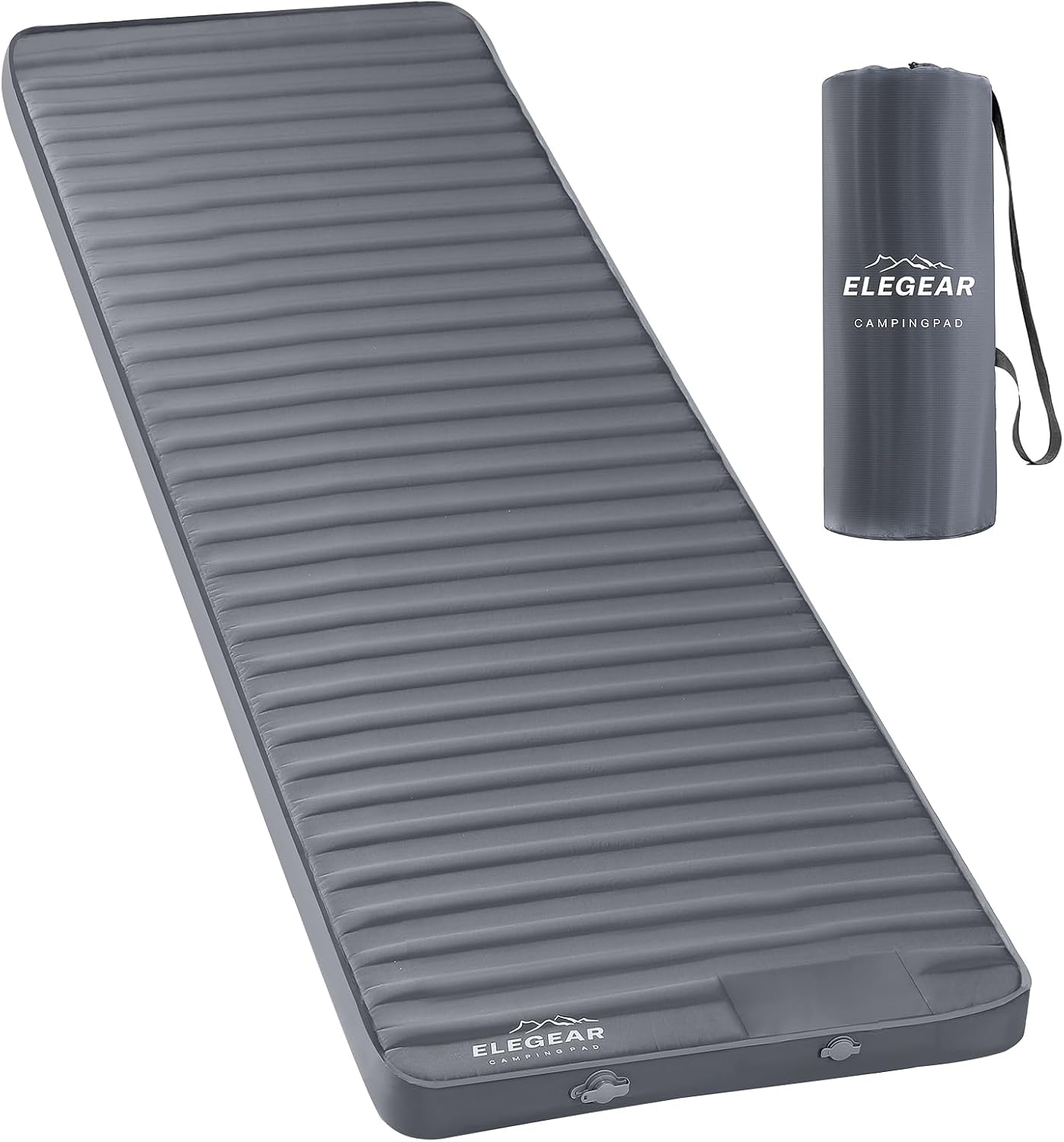
Kathmandu Ascent 38mm – Slim but Reliable
At 38mm thick, it’s noticeably thinner than the others but packs up small and inflates quickly. The self-inflating foam is dense, and the top fabric feels durable. I’ve used it on overnight beach trips and mild-weather bush camps without complaints, though I’d hesitate to take it on extended or winter trips. It’s a classic pick for someone who wants a good balance of durability and packability without the weight or bulk of premium options.
My Take: The most compact self-inflating option in this group. Fine for warm-weather trips or younger backs, but not built for plush luxury. It’s a good middle ground between those old-school foam mats and something a bit more forgiving. I’d call it dependable, but not exceptional—useful if space is tight and you’re not fussed about maximum comfort.
Summary: best sleeping mat that Deserves a Spot in Your Kit
After putting these options through their paces in this sleeping mat review, I’ve found that your ideal mat really depends on how and where you camp. The San Hima 10cm Self-Inflating Mattress remains my top choice for cold, rugged nights—yes, it’s bulky, but the warmth and support are worth the space. The Naturehike Ultralight 6cm is a strong contender for hikers or ultralight setups, but it’s not built for long-haul comfort.
The Elegear Air & Foam HexaFoam Pad delivers impressive cushioning and insulation for car campers who don’t mind a slightly larger pack size, while the Kathmandu Ascent 38mm offers a dependable, compact option for fair-weather trips or tighter setups.
This sleeping mat review confirmed that there’s no one-size-fits-all—your mat should match your camping style. Whether comfort, packability, or weight is your top priority, a good night’s sleep starts with the right foundation.
- San Hima – My go-to for comfort and warmth. Worth the bulk.
- Elegear HexaFoam – Surprisingly good balance of comfort and tech.
- Naturehike Ultralight – Too thin for most car camping setups.
- Kathmandu Ascent – Decent but lacks comfort for longer stays.
| Sleeping Mat | Thickness | Weight | Best For | In the Kit? |
|---|---|---|---|---|
| San Hima 10cm | 10cm | 2.5kg+ | Cold nights, plush comfort | ✔️ |
| Elegear HexaFoam | 8cm | ≈3kg | Basecamp comfort, 3-season | ✔️ |
| Naturehike 6cm | 6cm | ≤500g | Minimalist hiking trips | ❌ |
| Kathmandu Ascent | 3.8cm | ≈1kg | Short warm-weather trips | ❌ |
FAQ: camping sleeping mats
If a restful night’s sleep is a top priority—and space isn’t an issue—invest in a thick, warm Sleeping Pad. Comfort matters, especially when you’re deep in the bush. If you’re new to remote touring, check out our Beginner’s Guide to 4WD Touring Australia to help you prep properly before hitting the road.
To round out your Sleep Gear setup, pair your mat with a quality Camping Pillow and Sleeping Bags designed to keep you warm in changing Aussie conditions.