
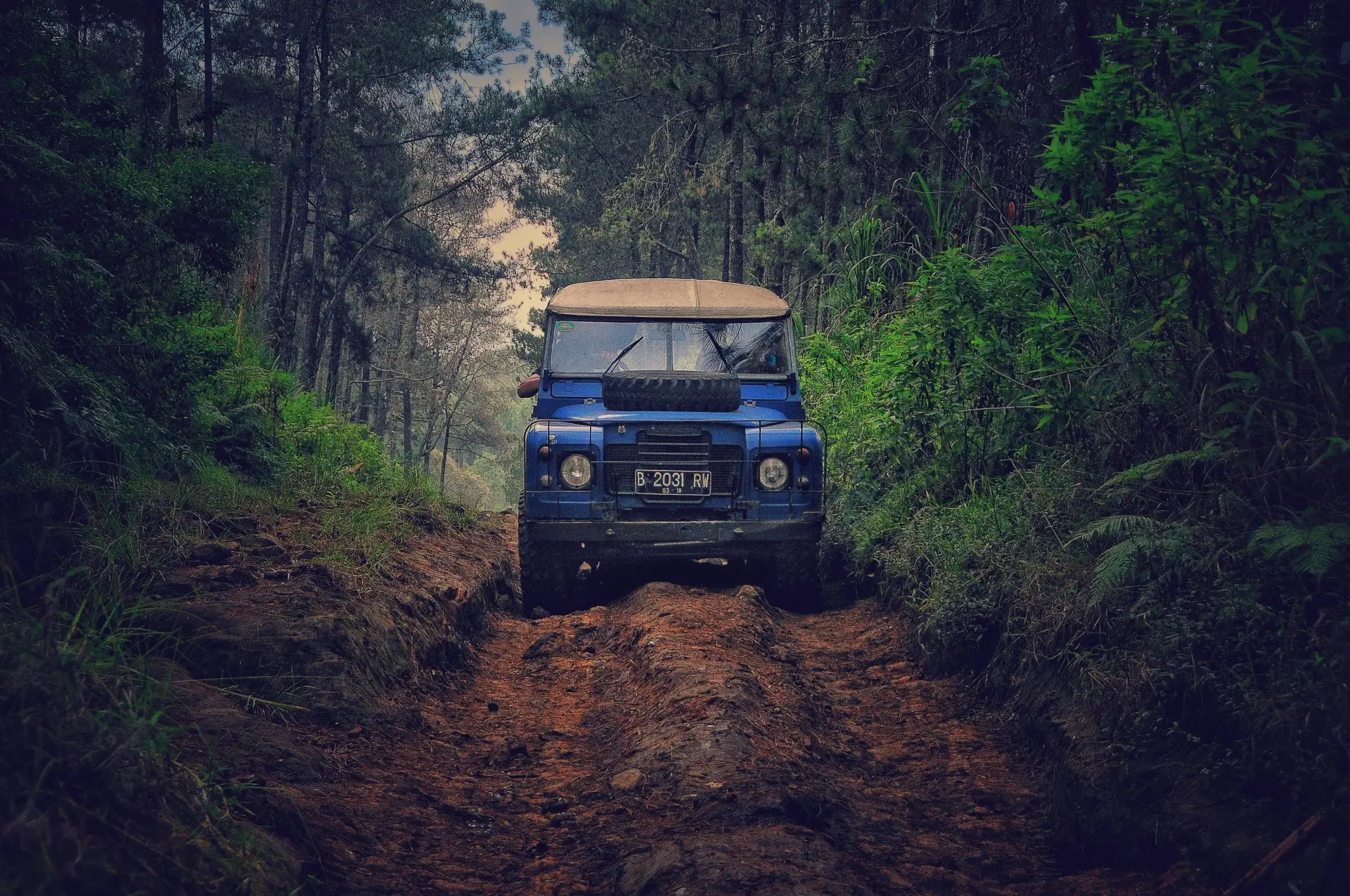
So, you’ve been eyeing those dusty tracks disappearing into the horizon, dreaming of waking up to birdsong instead of traffic noise, and wondering if that 4WD in your driveway (or the one you’re eyeing) can really take you to those wild, remote places? Welcome, friend! You’re thinking about 4WD touring Australia, and let me tell you, it’s one of the most rewarding ways to experience this incredible country.
Our picks


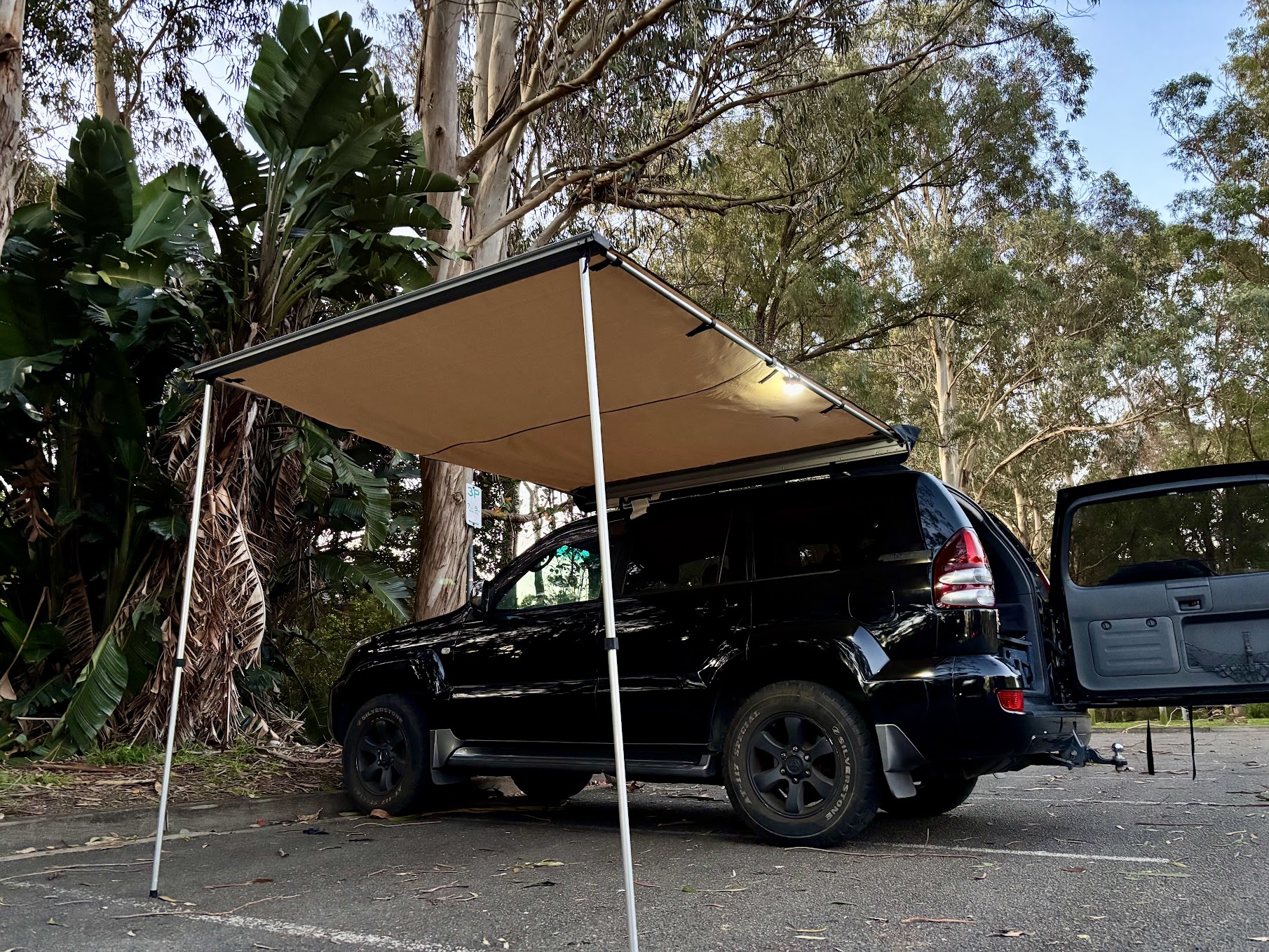
I’ve spent countless Weekends, and quite a few Longer Stretches, exploring the vast, varied landscapes around Sydney and beyond. From the rugged beauty of the Blue Mountains bushland to the pristine, dew-soaked mornings along the NSW coastline, my trusty 2006 Toyota Prado and I have seen a fair bit. And let me tell you, when you’re out there, miles from the nearest paved road or even mobile signal, your gear isn’t just a luxury – it’s your lifeline.
This isn’t about tackling the Canning Stock Route on your first go; it’s about getting started, building confidence, and understanding the essentials to safely and comfortably enjoy Off-Grid Camping in Australia. I’m here to share some honest thoughts, a few hard-learned lessons, and some practical advice to get your 4×4 adventures rolling.
Why 4WD Touring Australia is great
For me, it’s simple: freedom. There’s something incredibly liberating about packing up the Prado, pointing it towards a distant national park boundary, and knowing you’re about to leave the crowds behind. Off-grid camping means no designated sites, no noisy neighbours, just you, your vehicle, and the sounds of the Australian wilderness.
Whether it’s finding a secluded beach access for a night under the stars on the Central Coast, or navigating a rocky track to a hidden waterfall in the Capertee National Park, a capable 4WD unlocks experiences you simply can’t get with a conventional car. It’s about adventure, self-reliance, and reconnecting with nature. And, occasionally, testing your patience with a stubborn tent pole or a flat tyre, but even those moments become part of the story.
Basic Vehicle Preparedness
Before you even think about gear, let’s talk about your vehicle. My 2006 Prado isn’t new, but it’s incredibly reliable and capable. You don’t need the latest, most expensive rig. What you do need is a capable 4WD that’s properly prepared.
Before any trip, especially off-road, ensure your vehicle is in top mechanical condition. Check fluids, brakes, suspension, and belts. A breakdown hundreds of kilometres from help is not an adventure you want.
- Tyres: This is perhaps the most critical component. All-Terrain (AT) tyres are generally a good starting point for beginner 4WD touring. They offer a balance between on-road comfort and off-road grip. Mud-Terrain (MT) tyres are more aggressive but noisier and less comfortable on bitumen. Ensure they are in good condition with plenty of tread.
- Suspension: A good suspension setup (like a 2-inch lift) provides better ground clearance and articulation, making it easier to navigate rough terrain without scraping the underside or getting stuck. It's an investment, but a worthwhile one if you plan on serious off-road adventures.
- Dual Battery System (or Portable Power): Running a fridge, lights, and charging devices will quickly drain your main battery. A dual battery system is invaluable. If that's a step too far for a beginner, a large portable power bank (like a Dometic PLB40) can get you started.
Essential Gear for Your First 4WD Tour
Okay, so your vehicle is ready. Now for the fun part: gear! This isn’t an exhaustive list for every conceivable scenario, but it covers the core items I’ve found indispensable for comfortable and safe off-grid camping. I’ll also share some thoughts on specific products available here in Australia.
1. Recovery Gear
Your Get-Out-of-Jail-Free Card. This is non-negotiable. Sooner or later, you will get stuck. It’s not a question of if, but when. I once found myself unexpectedly bogged in soft sand near a coastal track north of Sydney after a rain shower. No phone signal, no one else around.
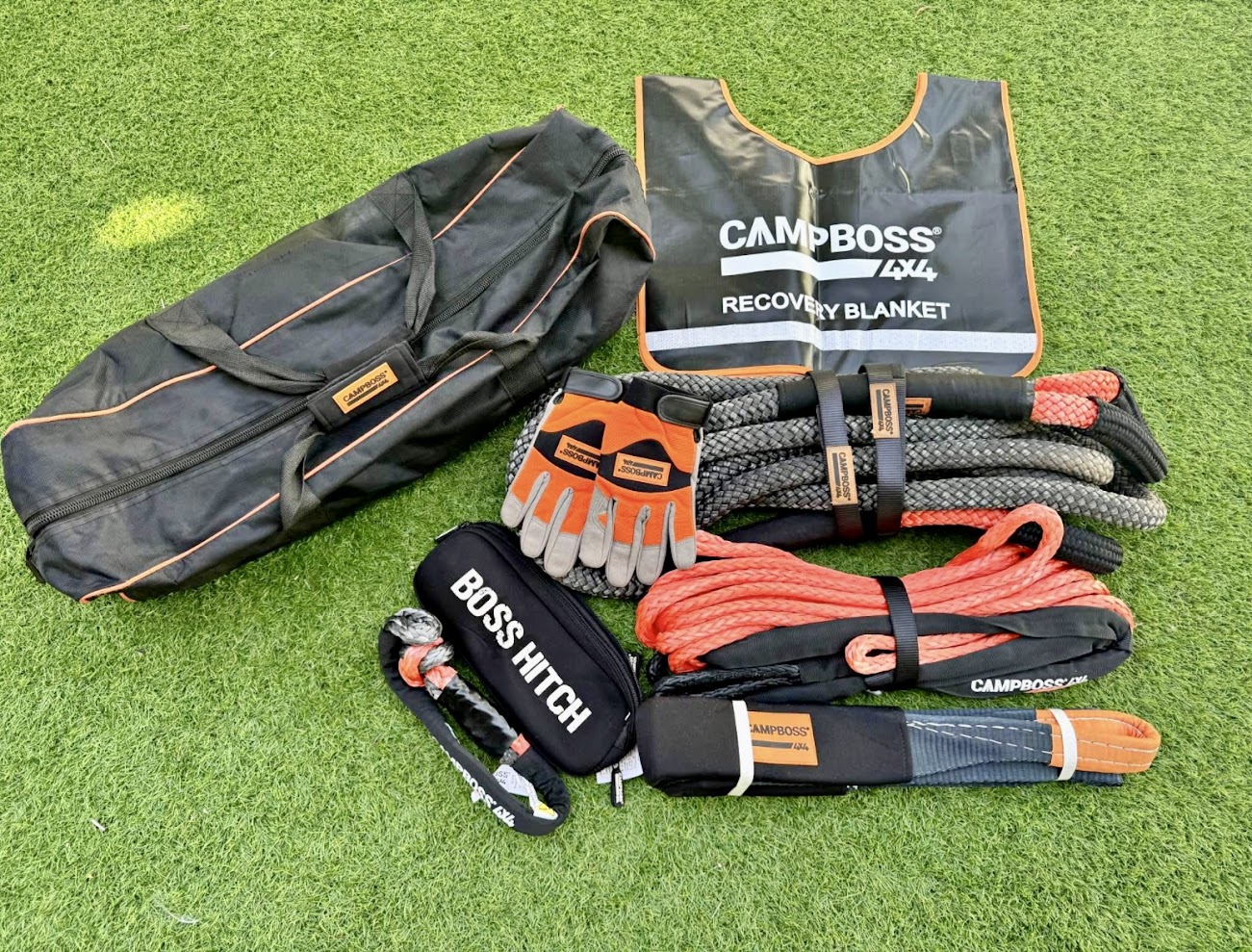
Having a snatch strap and shackles meant I could self-recover by winching off a nearby tree (with a tree trunk protector, of course!). Without it, it would have been a very long, cold night. Having the right 4×4 Recovery Equipment can save you hours of frustration (and potentially a very expensive tow). Look for a kit that includes:
- Snatch Strap: A kinetic rope that stretches and recovers, pulling a bogged vehicle out. This is your primary recovery tool.
- D-Shackles (Bow Shackles): Heavy-duty steel connectors for attaching straps to recovery points. Always use rated shackles.
- Tree Trunk Protector: Essential to protect trees (and your strap) when using a winch or snatch strap.
- Gloves: Protect your hands from dirt, burrs, and chafing.
- Dampener Bag: Sits over the snatch strap to reduce whiplash if it breaks.
Checklist Recovery Gear
In the rugged and unpredictable Australian landscape, getting stuck is less a matter of “if” and more a matter of “when.” And when that moment comes, having the right recovery kit – and knowing how to use it – can be the difference between a minor hiccup and a major headache, or worse.
Don’t leave your safety to chance. Here’s what you absolutely need to consider when kitting out your rig for those inevitable sticky situations, along with some vital “watch outs” to keep you safe on the trails.
- Rated Recovery Points are Non-Negotiable: Before you even think about straps or winches, ensure your 4x4 has proper, rated recovery points on both the front and rear. Many stock tie-down points are not designed for recovery forces and can fail dangerously. Look for clearly marked, sturdy recovery points, and if your vehicle doesn't have them, budget for their installation.
- Match Gear to Your Vehicle and Expected Terrain: Recovery gear isn't one-size-fits-all. Consider the weight of your 4x4 and the type of off-roading you'll be doing. A light-duty snatch strap might be fine for sandy beaches, but for heavy mud or steep inclines, you'll need higher-rated kinetic ropes, winches, and shackles to handle the greater forces involved.
- Invest in Quality and Certification: Cheap recovery gear can be dangerous. Look for products from reputable brands that adhere to Australian standards and have clear working load limits (WLL) or minimum breaking strengths (MBS). This ensures the gear is tested and reliable under stress, protecting both you and your vehicle during a recovery.
- Don't Forget the Essentials Beyond the Big Items: While a snatch strap or winch might be the first things that come to mind, a comprehensive recovery kit includes crucial smaller items. Think durable gloves, a long-handled shovel, a tyre deflator, a portable air compressor, and recovery boards (like Maxtrax). These often overlooked tools can make a significant difference in getting unstuck safely and efficiently.
2. Tyre Care
Your tyres are your only contact with the ground, and managing their pressure is essential for both safety and traction — especially when 4WD Touring Australia. Whether you’re driving across soft sand, rocky tracks, or endless corrugations, having the right tools can make or break your trip.
A reliable 12V air compressor lets you reinflate your tyres after you’ve aired down to tackle rough terrain. Pair that with a quality Tyre Deflator, which makes it easy to reduce pressure quickly and accurately, and you’re well on your way to a smoother, safer ride.
Why a Quality Air Compressor Is Key for 4WD Touring Australia
A reliable portable air compressor like the ARB Portable Air Compressor — or similar models from TJM and other reputable brands — is one of the smartest gear investments you can make for 4WD Touring Australia. It gives you the freedom to adapt to changing terrain without relying on petrol stations or other drivers.
Deflators are just as important. A basic push-button model works well, but something like the ARB E-Z Deflator offers more control and precision when dropping pressure before hitting the sand or corrugations.
Airing down for beach runs (say, 18–20 psi) drastically improves traction and helps you avoid getting bogged, while pumping back up to 35–40 psi before hitting sealed roads ensures safer driving and prevents unnecessary tyre wear. ARB compressors are fast, durable, and built for tough Aussie conditions — though they can be a bit slow with larger tyres and some budget models may overheat under strain. Still, they offer unmatched flexibility compared to relying on servo air.
Personally, I always air down when heading out on the beach around the Central Coast. The difference in grip is immediate. And when tackling long, corrugated bush tracks, dropping to around 25–30 psi smooths out the ride and lowers the risk of punctures. Before heading home along the M1, I simply air back up again — quick, easy, and on my own terms.
3. Portable Power & Refrigeration
There’s no point in all this adventure if you can’t enjoy a cold drink or fresh food at the end of the day. Ice coolers are fine for a day trip, but for multi-day off-grid camping, a Portable Fridge is a game-changer. Most portable Fridge/Freezers run on 12V (from your vehicle or a portable power bank) and keeps food and drinks consistently cold, or even frozen. This eliminates the need for ice and soggy food.
My partner loves fresh ingredients, so a fridge is non-negotiable for us. We’ve spent five days deep in the bush west of Sydney, and thanks to the Fridge, we had fresh vegetables and meat every night. No more relying on canned food after day two! It truly elevates the camping experience. Brands like Dometic or Engel are industry leaders. There are also more budget-friendly options from brands like Adventure Kings or Brass Monkey.
Watch-Outs When Buying a Portable Fridge Freezer
Be wary of no-name or incredibly cheap portable fridges, especially those found on online marketplaces without established reputations. The compressor is the heart of the fridge, and a low-quality or unknown brand compressor (e.g., many generic “Chinese” compressors) might struggle in Australian heat, be less efficient, or fail prematurely.
Stick to reputable compressor brands like Danfoss (Secop), LG, or purpose-built 4×4 fridge brands known for their reliable compressors in Australian conditions (e.g., Engel, Dometic, EvaKool, National Luna).
Here’s a list of handy “watch outs” to consider when buying a portable fridge/freezer for your 4×4 setup:
- Power Consumption Claims vs. Reality (Especially in Heat): Manufacturers often quote "average" power consumption, but this can be misleading. A fridge's power draw significantly increases in high ambient temperatures (like a 40°C Australian summer day in the back of a black ute canopy). Look for reviews or independent tests that provide data on power consumption in hot conditions. A seemingly efficient fridge might drain your battery much faster than expected when the mercury rises.
- Insulation Quality is King: The thicker and denser the insulation, the better the fridge will hold its temperature, and the less the compressor will have to work. While specific R-values are rarely provided for portable fridges, a general rule is that heavier fridges often indicate more robust insulation. Poor insulation means higher power consumption and less reliable cooling, especially in extreme heat.
- Lid Seals and Latches: A good seal is crucial to prevent cold air from escaping. Inspect the lid seal carefully for any gaps or signs of poor manufacturing. Similarly, robust latches are essential to ensure the lid stays securely shut, particularly when bouncing around on corrugated tracks. Flimsy latches can lead to accidental openings and significant temperature loss.
- Ventilation Requirements: All compressor fridges need adequate ventilation to dissipate heat. If you're planning to install your fridge in a tight space, like a ute canopy or vehicle drawer system, ensure there's sufficient airflow around the compressor vents. Blocking these can lead to overheating, reduced efficiency, and premature failure.
4. Camp Power & Lighting: Staying Charged and Safe
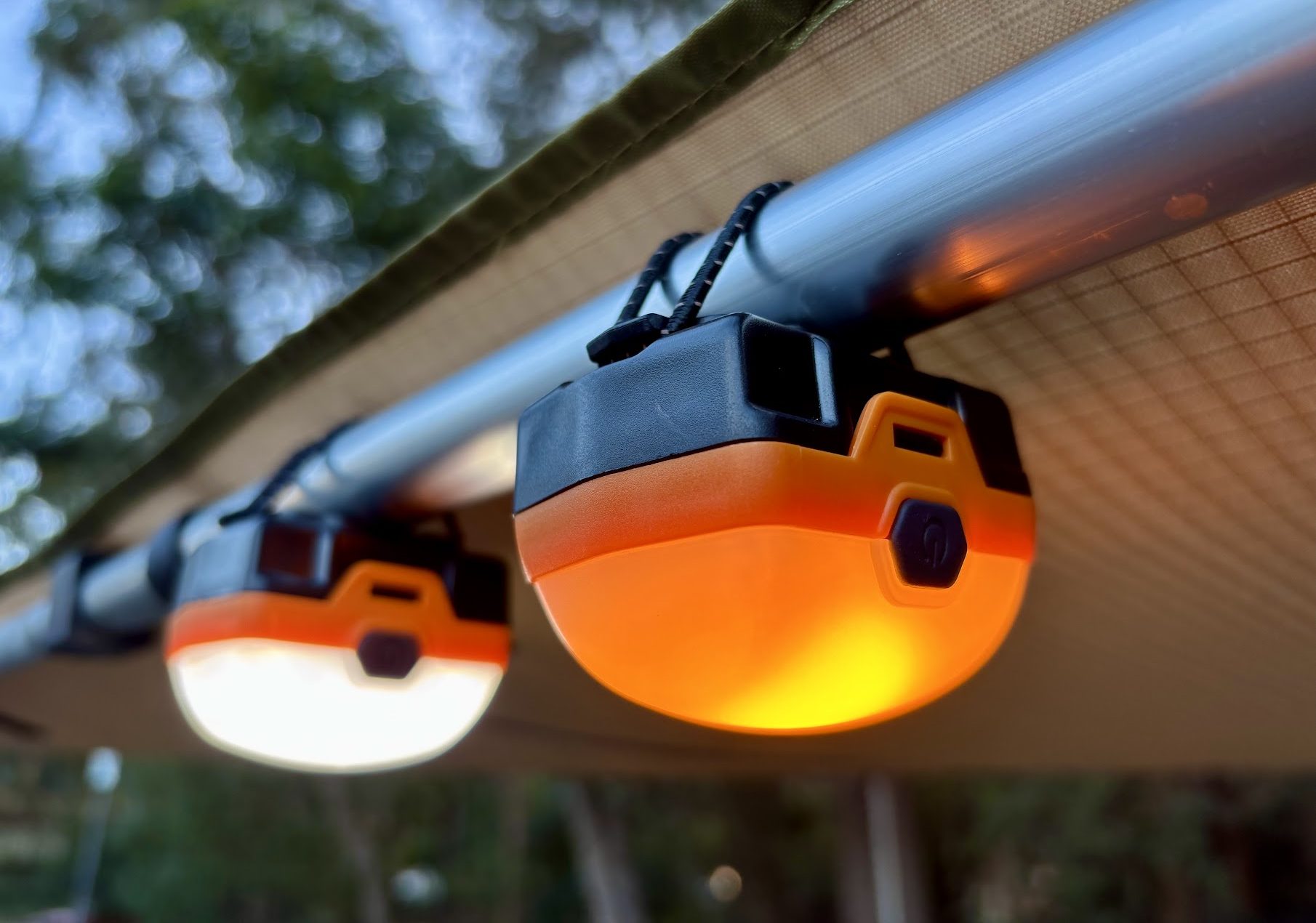
When you’re just getting into 4WD Touring Australia, one of the first things you’ll realise—often too late—is how much a dependable power and Lighting Setup can affect your comfort, safety, and flexibility Off-Grid.
Whether you’re staying overnight in a remote Campsite, cooking after dark, or charging your fridge and devices, having the right power system and lighting gear is absolutely essential. It’s not just about convenience—it’s about staying visible, keeping food fresh, and making your campsite safe and functional after sundown.
Why Camp Power Matters for Aussie Touring
Australia’s landscape is vast and unpredictable. Mobile coverage fades fast once you’re out of town, and designated campsites often lack facilities. That means you’ll rely entirely on your own setup for lighting, refrigeration, and even water pumps or showers.
Even if you’re just heading out on weekend trips around the Blue Mountains or Central Coast, a reliable power setup means you don’t have to limit your time off-grid or stress about batteries going flat. From running a fridge to charging torches and phones, power is core to your touring independence.
Getting Started with a Basic 4WD Power Setup
If you’re new to 4WD touring, don’t overthink it—you don’t need a full dual battery setup to get going. Here’s a simple starter configuration that works well for most beginners. This basic setup is ideal for short 1–3 day trips. It’s easy to upgrade later with a second battery, hard-mounted solar, or inverter if you want more power-hungry luxuries.
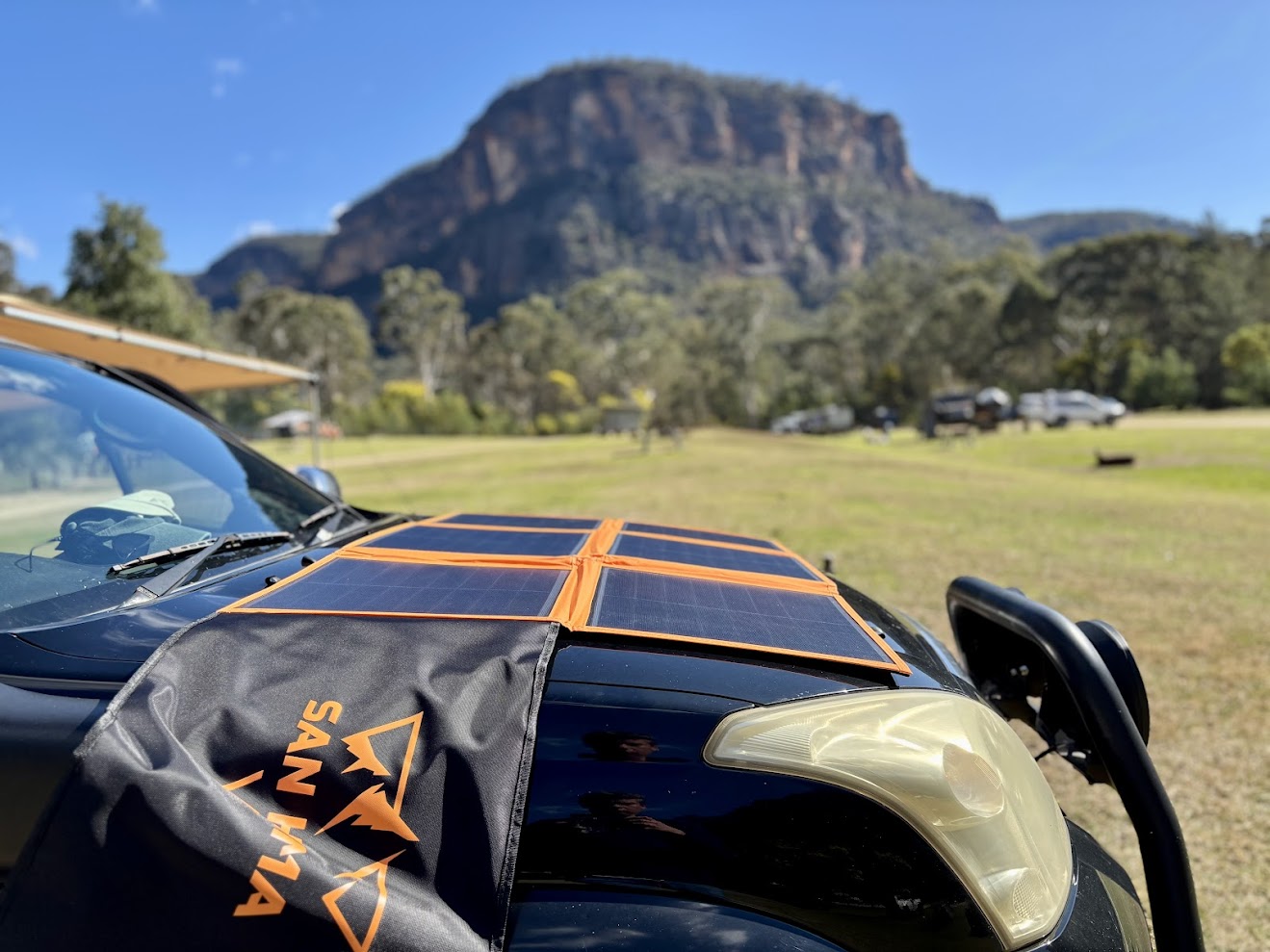
- Portable Lithium Power Pack (like the Kings 24Ah or San Hima 42Ah) – Lightweight, plug-and-play, and can power your fridge and LED lights for a day or two.
- Solar Blanket or Panel – A foldable Solar Blanket (e.g. 120W–160W) lets you recharge your power pack during the day, keeping your setup sustainable.
- Cig Socket or Anderson Plug Cables – Make sure you’ve got cables with the right connectors for both your power pack and solar blanket. Kings and San Hima usually include these.
If you’re heading off-road in Australia—even for a single night—sort out your Off-Grid Camp Power and lighting first. It’s not just about luxury; it’s about functionality, safety, and longer, more enjoyable stays. You don’t need to spend thousands, but having even a basic setup means you’re far more self-sufficient and confident when the sun goes down.
5. Shelter & Sleep: Your Home Away From Home
While not a specific product recommendation, a word on your actual living space. Beyond your Sleeping Bag (which I talk about in other posts – think a Sea to Summit Treeline for versatile warmth, or a Kathmandu Camper for car camping comfort), your tent or awning setup is key.
Choosing a Tent for 4WD Touring Australia
No matter the style, a quality tent is a cornerstone of your setup — it’s your home in the bush, and when the wind picks up or the rain rolls in, you’ll be glad you didn’t cut corners.
- Dome Tents – Reliable and versatile. A good-quality, freestanding dome tent (like MSR or Coleman) is easy to pitch and holds up well in most conditions. Great for general touring and campgrounds.
- Instant-Up Tents – Ideal for quick setups after a long drive. Brands like Oztrail and Outdoor Connection offer pop-up options that go up in minutes, though they’re bulkier to pack.
- Hiking Tents – Lightweight and compact, perfect if you’re doing side hikes or space is tight. MSR and Big Agnes make solid options. Just be prepared for less headroom and comfort.
- Rooftop Tents – Popular with 4WD setups. Quick to deploy, off the ground, and weather-resistant. Great for touring, but you’ll need roof racks and they do add weight and height to your rig.
- Swags – Simple, rugged, and made for solo travellers or couples who like minimal fuss. Quick to roll out and pack down, and built to handle the Aussie bush.
Adding Shade and Shelter with a 4WD Awning
An Awning mounted to your vehicle — like those from XTM, Kings or San Hima — is a game-changer for 4WD touring. It provides instant shade and shelter, turning any roadside stop or campsite into a comfortable outdoor living area. Whether you’re escaping the midday sun or dodging a passing shower, an awning makes day use at camp far more enjoyable.
Setup is quick, and it’s a great way to extend your usable space. Just keep in mind it adds some wind resistance while driving, needs to be packed away carefully, and requires roof racks for mounting.
Planning Your 4WD Touring Australia Adventure
Once your 4WD setup and essential gear are dialled in, the real preparation begins — planning your trip. Whether you’re heading into a remote national park or just doing a weekend loop, a well-prepped itinerary can make the difference between a smooth journey and a stressful one. Good planning means fewer surprises, more comfort, and better safety.
Use apps like Wikicamps Australia, Hema Maps, and online forums. Look for track conditions, permit requirements (especially for National Parks), and Fire Bans. Here’s what to consider before you roll out:
- Maps & Navigation: Don't rely solely on your phone. Download offline maps (like Maps.Me or Wikicamps). A physical map is also a great backup. My Prado has an old GPS unit, but I mostly use my phone with offline maps now – and charge it constantly.
- Food & Water: Plan your meals carefully. How long will you be out? How much water do you need (at least 5 litres per person per day for drinking, cooking, and basic hygiene, more in hot weather)? Carry extra!
- Permits & Regulations: Many national parks require permits for camping or access. Check before you go. Always respect private property and leave gates as you find them.
- Tell Someone: Always let a trusted person know your detailed itinerary, including expected return dates and alternative contact methods.
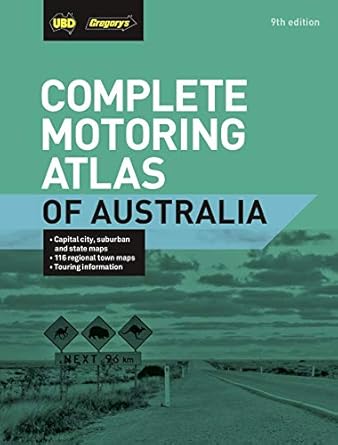
Complete Motoring Atlas of Australia
With clear maps, useful inter-city driving charts, and a practical spiral binding, it’s great for planning and navigating — especially when you’re out of signal range.
- Gear score 4.5/5: ★★★★★
- Publisher: UBD Gregory’s
- Year: 2020 (9th edition)
4WD Touring Australia Is All About the Journey
4WD Touring Australia isn’t just about ticking places off a map — it’s about the little moments in between. It’s the sunrise over a deserted beach, the campfire crackling beneath a sky bursting with stars, the surprise encounter with a curious kangaroo, or the simple joy of cooking a gourmet meal in the middle of nowhere. The real adventure lies in the challenges, the problem-solving, and the shared experiences with your partner.
Of course, there are frustrations — like hammering tent pegs into rock-hard ground for 30 minutes or dealing with a power-hungry fridge. But these bumps in the road (literally) just make the experience more real and memorable.
- Drive to Conditions: Don’t push your limits or your vehicle’s. If a track looks sketchy, there’s no shame in turning back. “Momentum is your friend” on sand — but definitely not on rocky descents.
- Leave No Trace: Pack out all your rubbish, stick to marked tracks, and tread lightly to help protect these incredible places.
- Safety First: Bring a first-aid kit, know how to change a tyre on soft ground, and stay aware of the local wildlife.
- Enjoy the Silence: One of the biggest rewards of off-grid touring is the peace. Turn off the music, put down your phone (if you even have signal), and just soak in the sounds of the bush.
Is 4WD Touring Australia Worth It?
Absolutely. 4WD touring Australia is more than just driving; it’s a lifestyle, a mindset, and an incredible way to explore the heart of this continent. It challenges you, rewards you, and leaves you with memories that will last a lifetime. The initial investment in a capable vehicle and essential gear is significant. But it pays dividends in experiences, freedom, and the ability to truly escape.
You don’t need to buy everything at once; start with the basics (recovery, tyre care, communication) and build up. Get out there, explore, and find your own slice of Australian paradise. Just remember to be prepared, be responsible, and enjoy every moment.