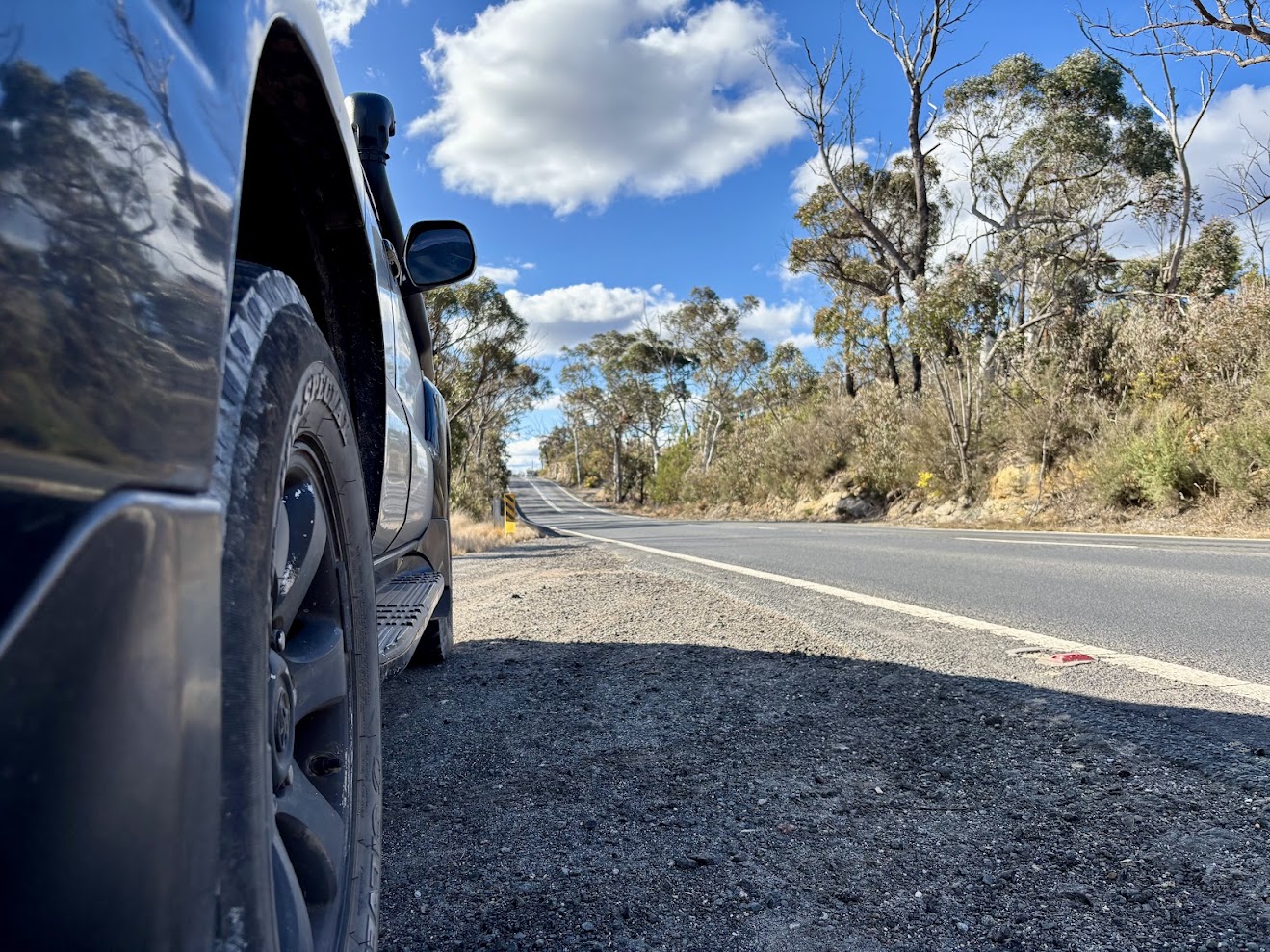
There are two ways to do the Sydney to Melbourne road trip: rush it in 9 hours down the Hume Highway, or take your time and actually enjoy what Australia’s east coast has to offer. If you’ve got a Toyota Prado like us—or any capable rig with a rooftop tent, a solid Power Setup, and a craving for real wilderness (not just roadhouses)—then I’d strongly recommend the long way. Over the course of a week, my partner and I tackled the Sydney to Melbourne road trip the slow, scenic, and slightly stubborn way—hugging the coast, detouring into National Parks, and dipping into the hills whenever the road invited us. Here’s how it went.
Planning the Perfect Sydney to Melbourne Road Trip
- Route distance: ~1,250 km
- Minimum time: 4 days
- Ideal time: 6–8 days
Alright, let’s get into the logistics of this Sydney to Melbourne road trip—because while going with the flow is great, a bit of planning goes a long way when you’re chasing those prime Off-Grid Camping spots. This isn’t just a straight sprint down the Hume Highway. You’ll be taking the scenic coastal route, embracing the journey just as much as the destination.
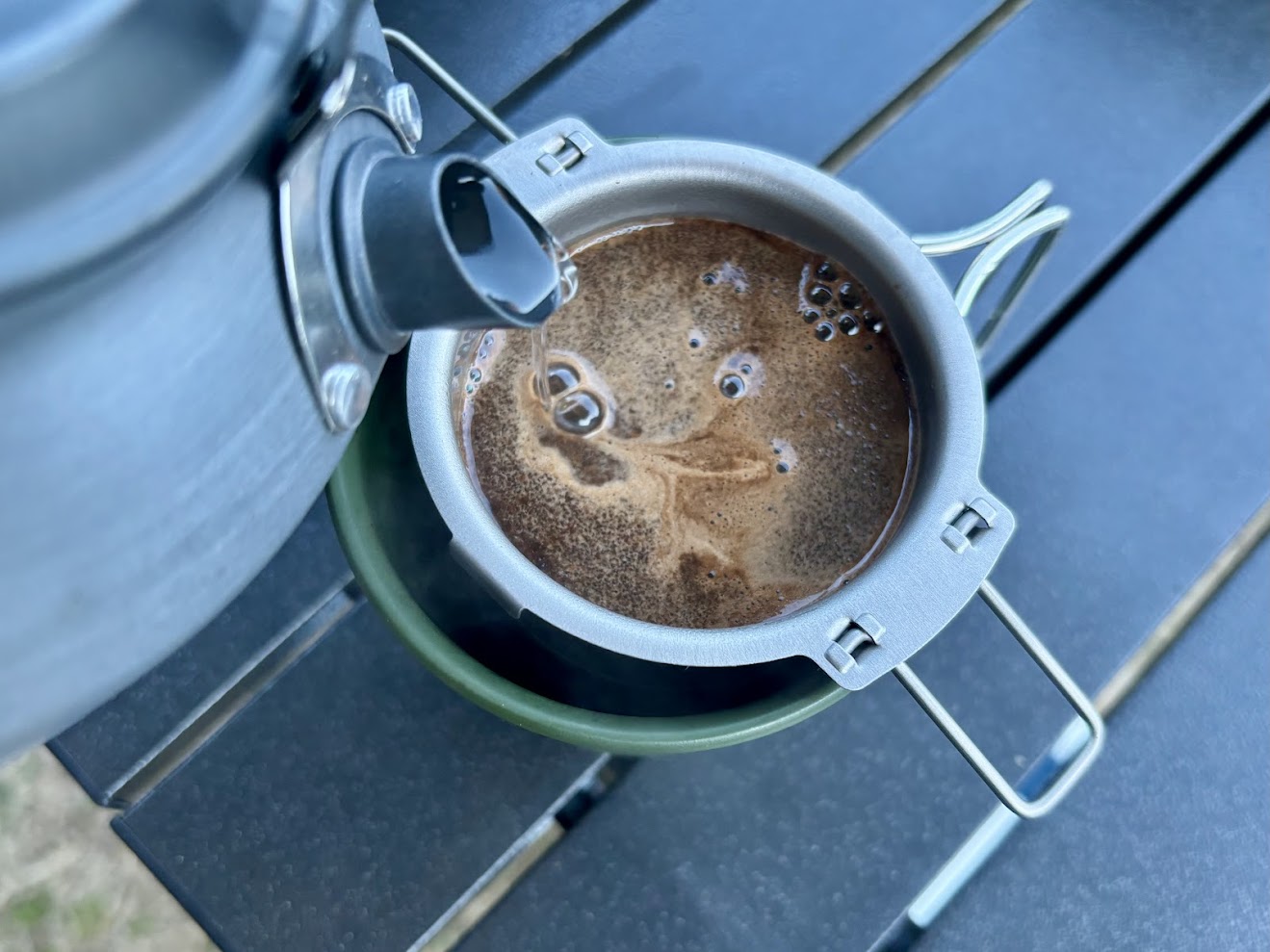
You’re looking at a total distance of around 1,250 kilometres. Sure, it’s technically possible to knock it out in four days if you rush it, stopping only for fuel and sleep—but where’s the fun in that? To really do this trip justice, aim for 6 to 8 days. That gives you time to unwind, detour to hidden beaches, chat with locals, or simply linger longer over a sunrise Coffee Brew outside your Rooftop Tent. The magic of this drive is in the spaces between the big stops—from the rugged beauty of the Sapphire Coast to the quiet bush tracks of Gippsland.
Best Time to Do the Sydney to Melbourne Road Trip
Timing is everything, and when it comes to the Sydney to Melbourne road trip, your best windows are Spring (September–November) and Autumn (March–May). These shoulder seasons deliver ideal road-tripping conditions: mild days, crisp mornings, and cool, comfortable nights that are perfect for camping. You’ll avoid the blazing heat of summer—which can make both driving and setting up camp uncomfortable—and sidestep the deep winter chill that creeps in, especially in elevated inland areas.
That said, we’ve tackled sections of this route in every season. Summer brings vibrant energy and longer days, but also crowds and high temps. Winter offers quiet Campsites and moody, misty mornings—but make no mistake, it gets cold. If winter’s your only option, pack serious thermal liners and a reliable Sleep Setup.
| Season | Months | Weather | Crowds | Road Conditions | Notes |
|---|---|---|---|---|---|
| Spring | September–November | Mild, 15–25°C, blooming landscapes | Moderate | Generally good, some rain | Ideal for scenic drives, wildflowers in bloom |
| Summer | December–February | Warm to hot, 20–35°C | High | Good, occasional heatwaves | Busy with tourists, book accommodations early |
| Autumn | March–May | Cool, 10–20°C, colorful foliage | Moderate | Good, less rain | Comfortable weather, fewer crowds |
| Winter | June–August | Cold, 5–15°C, possible rain | Low | Wet roads, occasional fog | Quieter, but prepare for cooler temperatures |
Day 1: Sydney to Jervis Bay
200 km | ~3 hrs driving
If you’re coming from Sydney’s North like we are, clear the city before 9am or suffer in traffic past Heathcote. Once you hit Royal National Park, things start to feel like a trip. Take the Sea Cliff Bridge detour—still beautiful even if you’ve seen it a dozen times. Stop for a coffee in Kiama, check out the blowhole (if you’re into loud water), and head towards Booderee National Park near Jervis Bay. This is where you’ll spend your first night.
Green Patch Campground
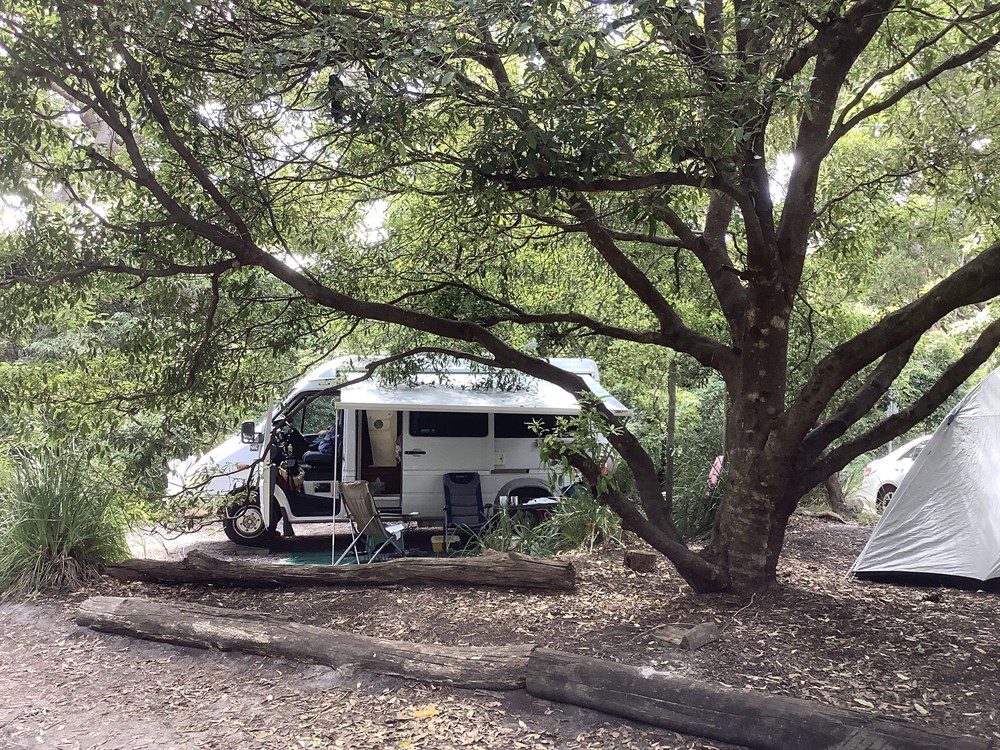
Green Patch Campground in Booderee National Park is a fantastic spot if you’re keen on coastal beauty. It’s incredibly popular for a reason, with its clear, turquoise waters and resident kangaroos casually hopping through the sites. While not as remote as some, the sheer beauty of the beach and the excellent facilities make it a comfortable and scenic overnight stay. It’s a great taste of Jervis Bay’s famous white sands right from your camp.
- Location: Booderee National Park
- Cost: ~$25 per night
- Facilities: Toilets, cold showers, no power
- Book: via Parks Australia - Booderee
Day 2: Jervis Bay to Meroo NP / Lake Tabourie
90 km | ~1.5 hrs
Short drive day today—enough to reach a truly off-grid gem. Meroo National Park is under the radar for most tourists. Quiet, forested, and literally meters from the ocean. We stopped in Termeil to top up water (there’s a servo with a tap), then continued to Meroo Head Campground.
Meroo Head Campground
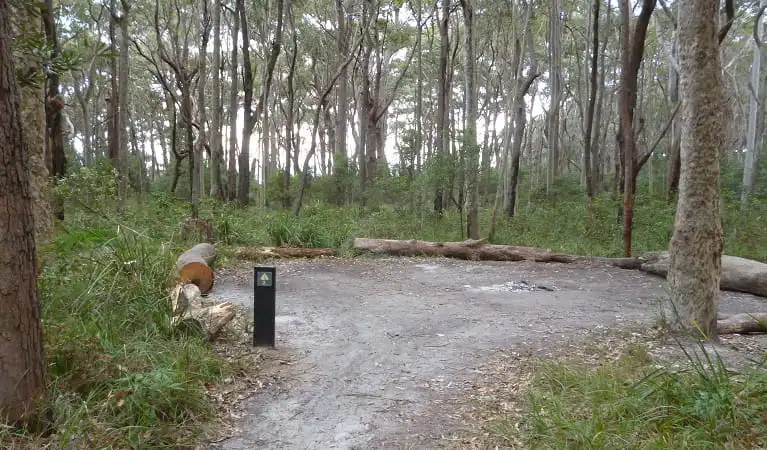
Meroo Head Campground, just south of Ulladulla, was a perfect overnight stop on our trip. It’s set right behind the dunes of a vast, uncrowded beach, with plenty of shady spots for the rooftop tent amongst the trees. The sound of the ocean is constant, and it feels wonderfully remote despite being relatively accessible. We enjoyed a quiet evening, falling asleep to the waves – exactly what you want from a coastal bush camp.
- Location: Meroo National Park
- Cost: Free
- Facilities: Drop toilet, BYO water
- Book: No booking required, first-come, first-serve
Pro Tip
There’s no reception. Download your maps offline and leave a “still alive” text before you roll in.
Day 3: Meroo to Narooma to Mimosa Rocks NP
220 km | ~3 hrs
Stop in Narooma—not optional. Grab a pie at the bakery, maybe a swim at Bar Beach South, and if you’re lucky, you’ll see the local stingrays or seals. Then follow the coast through Bermagui toward Mimosa Rocks National Park, a lesser-known paradise with bush camping right by the beach.
Gillards Beach Campground
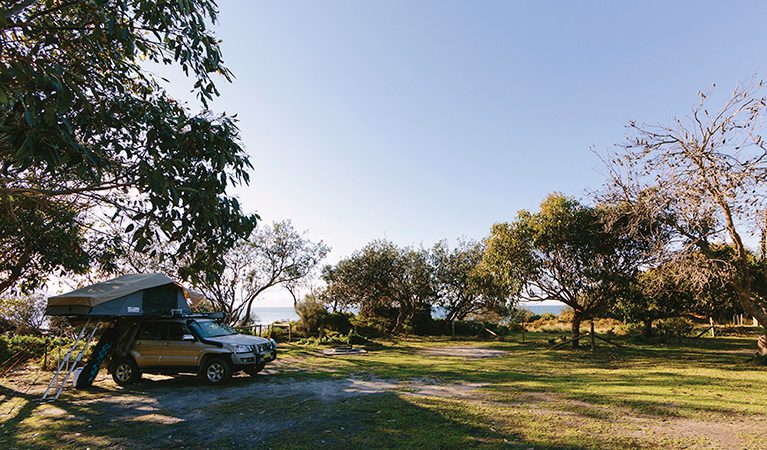
Having stopped at Gillards Beach Campground on a drive down to Melbourne, I can confirm it’s a gem. Nestled right between dense bush and a beautiful stretch of beach in Mimosa Rocks National Park, you can hear the waves from your rooftop tent. The sites are roomy and feel private, surrounded by shrubs, and we even had kangaroos grazing nearby at dusk. It’s truly a place to embrace coastal wilderness.
- Location: Nelson, NSW
- Cost: $12.30 per adult
- Facilities: Drop toilets, fire pits (when allowed), no power
- Book: via NSW National Parks
Day 4: Mimosa to Croajingolong National Park
210 km | ~3.5 hrs
Time to cross into Victoria. Fuel up in Bega or Cann River. The roads get more remote past here—less traffic, more roadkill. Drive carefully at dusk. Croajingolong National Park is World Heritage listed for a reason. It’s wild, remote, and mostly untouched. Plenty of people skip this stretch but they’re missing out.
Wingan Inlet Campground
Wingan Inlet Campground, nestled within Croajingolong National Park, offers a truly secluded coastal escape. Driving in, the unsealed road delivers you to tall bloodwood trees perfect for a rooftop tent. Here, the tranquil inlet is ideal for kayaking, fishing, or simply enjoying the abundant birdlife with a pair of Binoculars. Basic facilities provide a true disconnect from highway life.
- Location: W Wingan Rd, Wingan River VIC 3890
- Cost: $15 per night
- Facilities: Basic toilets, no power or water
- Book: via Parks Victoria
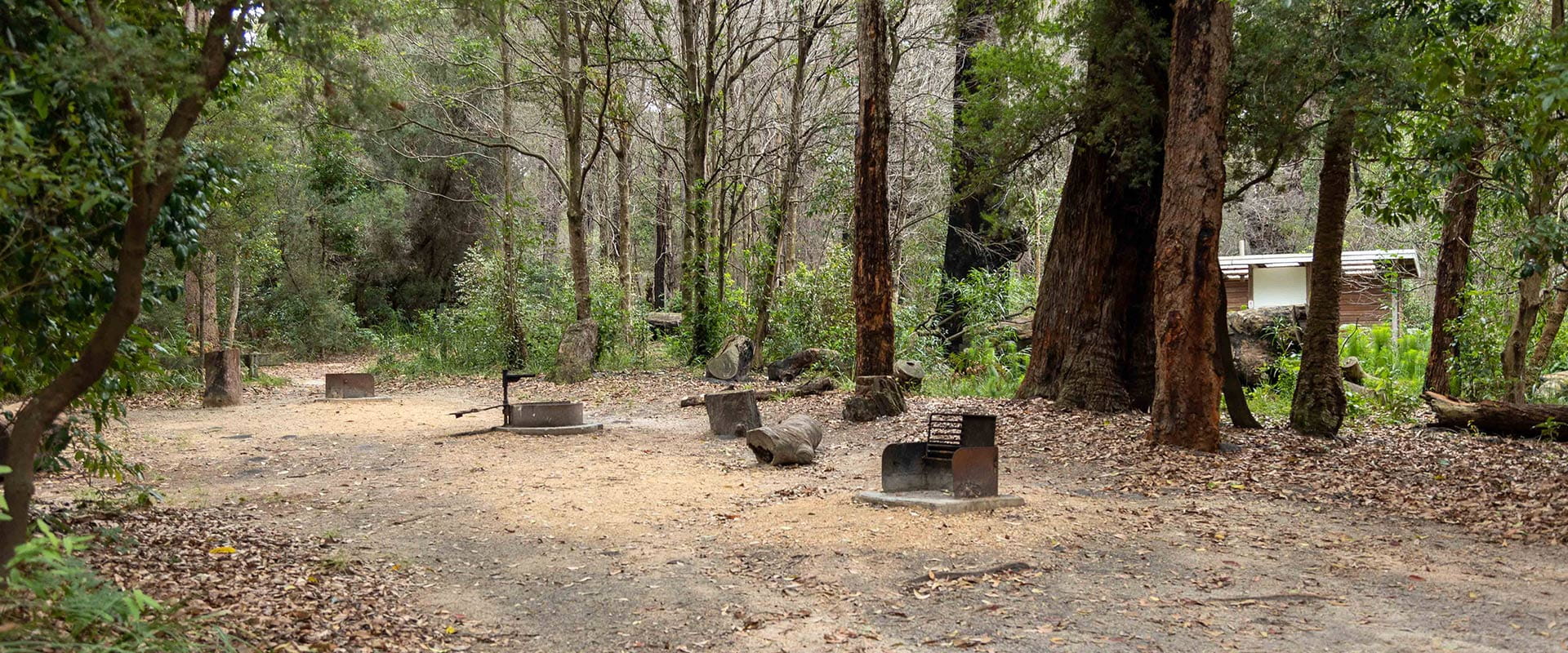
Day 5: Croajingolong to Lakes Entrance to Tarra-Bulga National Park
260 km | ~4.5 hrs
This stretch is beautiful, but longer. You’ll want to stop in Lakes Entrance for supplies, petrol, and maybe choose a cheeky pub lunch over your Camp Kitchen. The vibe starts shifting now—less coast, more rolling hills. We camped in Tarra-Bulga National Park, in the Strzelecki Ranges. It’s cool, forested, and misty. A total contrast to the beaches earlier.
Tarra Valley Picnic Area (Dispersed)
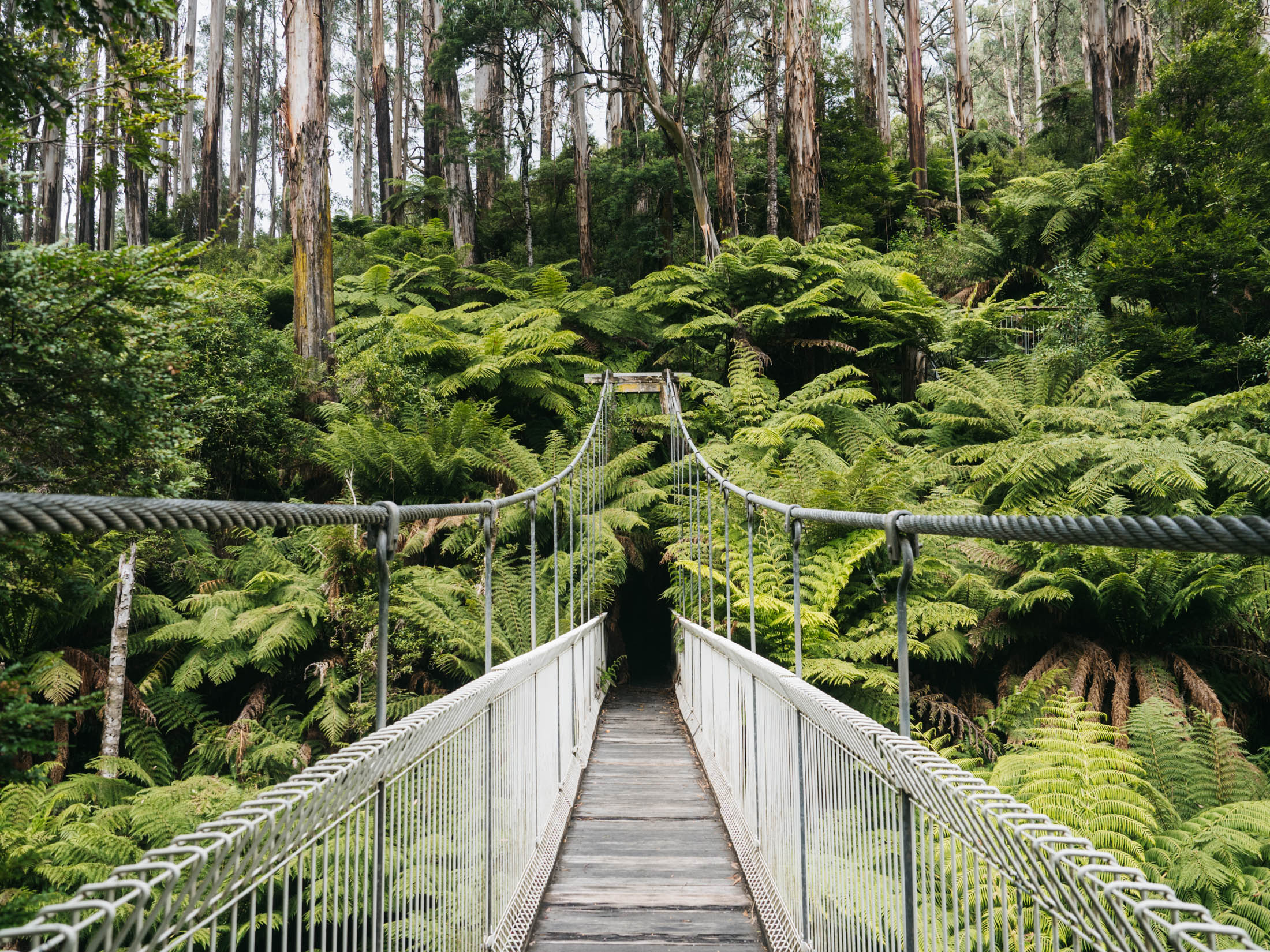
When passing through Gippsland, we found a surprisingly peaceful overnight stop at Tarra Valley Picnic Area. Tucked away in a lush rainforest valley, it felt miles from anywhere. While technically a picnic area, there are level spots perfect for a rooftop tent, surrounded by towering trees and the gentle sounds of the creek. It was a refreshing change from coastal camps, offering cool, damp air and a sense of deep, green tranquility before heading on.
- Location: Tarra Valley Rd, Tarra Valley VIC 3971
- Cost: Free
- Facilities: None
- Book: via Parks Victoria (not required)
Day 6: Tarra-Bulga to Wilsons Prom to Melbourne
320 km with detour | ~5.5 hrs total
Final push. If you’ve got time, Wilsons Promontory is an epic detour—granite peaks, turquoise bays, and tons of wildlife. But it adds a full day if you want to stay. If you’re short on time, do a short hike like Lilly Pilly Gully and keep going. Otherwise, head toward Melbourne, preferably entering from the east side (via Dandenong) to avoid peak-hour chaos. It’s a bit of a jolt to go from rainforest tracks to four-lane traffic again—but that’s part of the fun, isn’t it?
Conclusion: Is the Long Sydney to Melbourne Drive Worth It?
Yes, 100%. The scenic drive from Sydney to Melbourne is not just a journey—it’s a reminder that Australia still has quiet corners, wild coasts, and National Parks worth the detour. If you’re running an off-grid setup with Solar and a 12V Accessories, you’ll have no issue staying self-sufficient for the full stretch.
- Best For: Off-grid campers and overlanders, 4WD travellers with rooftop tents and couples or solo campers looking for nature over noise
- Would I Do it Again? Absolutely. Next time I’d do it in reverse (Melbourne to Sydney) and maybe add a few days inland through the Snowy Mountains. Australia rewards slow travel, and this route proves it.
Gear to Level Up Your Sydney to Melbourne road trip
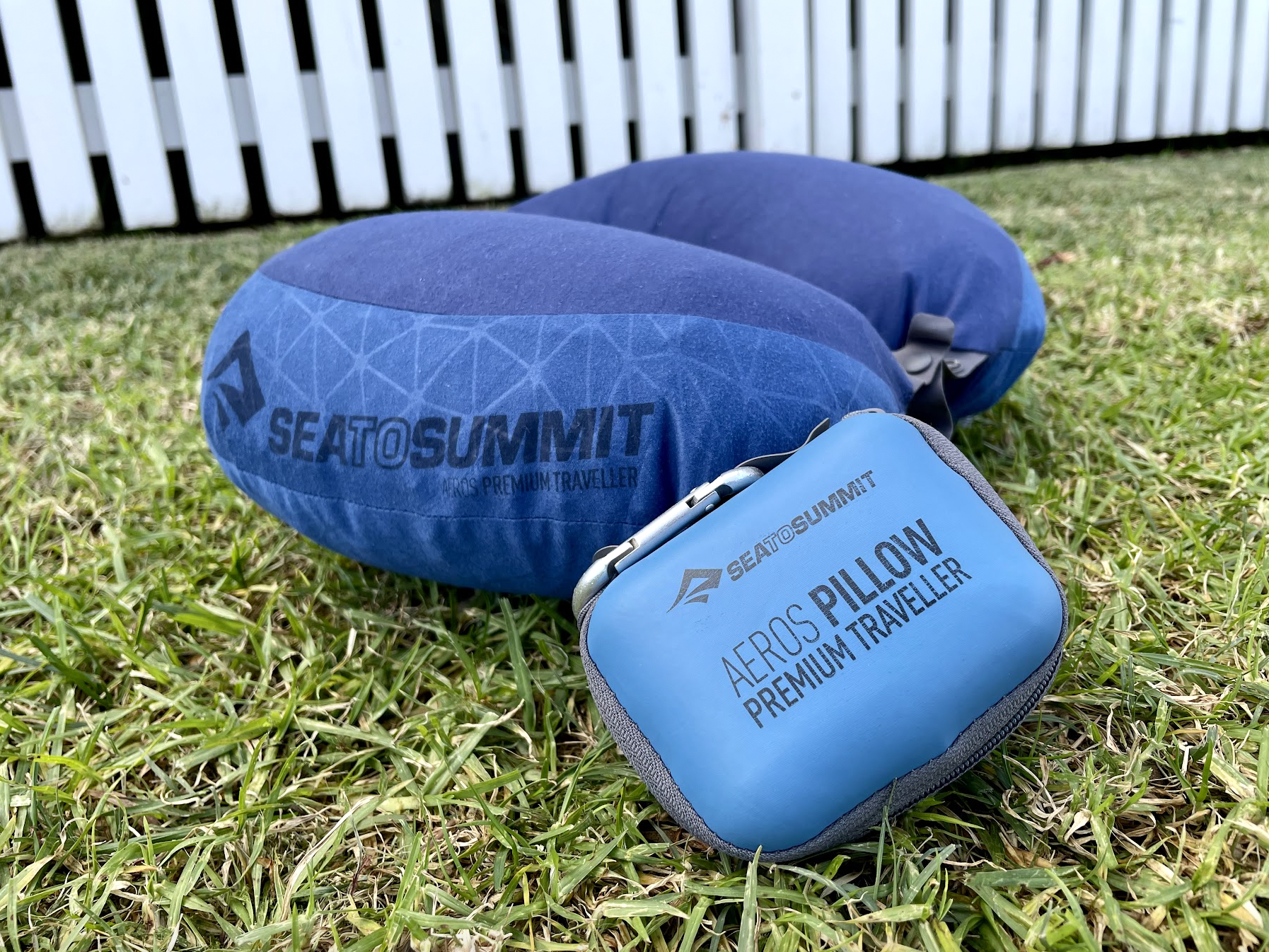
If you’re planning to travel for longer periods of time, check out our Beginner’s Guide to 4WD Touring Australia for more essential 4WD gear tips. And if you’re getting your full camp setup ready, don’t miss our Camping Pillow reviews and check out top rated Camp Lights, 12V Gear and different options or 4WD Storage such as the Kings PVC camping duffel bags to round out your comfort.